What Does Cryptocurrency Mining Mean for Carbon Emissions?

As you explore the world of cryptocurrency, you've likely heard about the process of mining, but have you considered its environmental toll? Cryptocurrency mining demands an enormous amount of energy, largely sourced from fossil fuels, leading to significant carbon emissions. This surge in energy consumption not only exacerbates global warming but also poses a serious challenge to sustainability goals worldwide. While the technology behind cryptocurrencies holds great promise, the environmental impact raises critical questions about the future of digital currencies. Now, you're probably wondering: can the industry pivot towards more sustainable practices before it's too late?
Understanding Cryptocurrency Mining

Cryptocurrency mining is the process by which new coins are created and transactions are verified on a blockchain network. When you engage in mining, you're essentially using computer power to solve complex mathematical puzzles. Each solved puzzle not only helps to mint new cryptocurrency but also secures and verifies transactions on the blockchain.
This activity isn't just about creating new coins; it's crucial for maintaining the ledger in a decentralized manner. Unlike traditional banking systems where a central authority updates records, in blockchain technology, multiple miners hold responsibility. This ensures transparency and security, as altering any recorded data would require altering all copies simultaneously, which is nearly impossible.
You might wonder how you can become a miner. It starts with setting up the right hardware. You'll need a powerful setup, often involving specialized processors known as ASICs, or more general-purpose GPUs, depending on the cryptocurrency.
Then, you'll join a mining pool where miners share processing power and split rewards. This collaboration increases your chances of earning rewards, as solo mining can be significantly more challenging and less rewarding due to the competitive nature of the mining process.
Energy Consumption in Mining
Mining for cryptocurrencies consumes an enormous amount of energy. When you hear about the process, it's not just about the digital aspect; it involves real-world resources. Each transaction needs to be validated, and through mining, you're essentially solving complex mathematical puzzles that require significant computational power.
This isn't something you can do on a simple home computer. Miners use specialized equipment that can handle the intense demand for processing power. These machines run around the clock, consuming more electricity than entire nations. Imagine running thousands of high-powered computers non-stop; the energy usage adds up quickly.
You might wonder why it requires so much power. It's because the security and integrity of blockchain technology depend on the difficulty of these mathematical problems. They ensure transactions are secure and prevent fraudulent activities. But this security comes at a cost—high energy consumption.
As you dive deeper into the world of cryptocurrency, you'll see the scale of its impact. It's not just an isolated activity; it's a global phenomenon that's testing the limits of our current energy resources. This should make you think about the broader implications, especially in terms of sustainability and environmental impact.
Sources of Mining Power
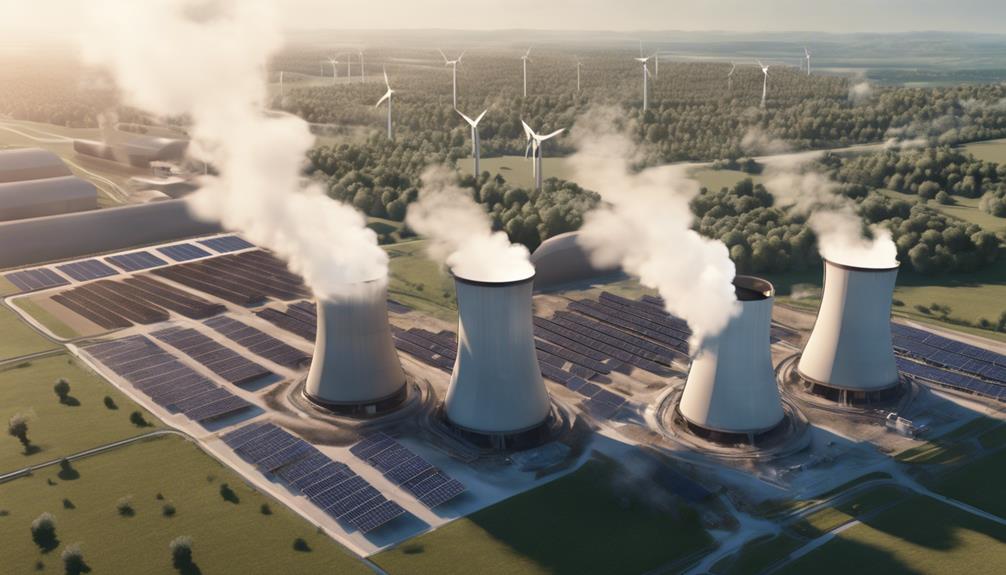
Given the massive energy demands discussed earlier, it's important to examine where the power for cryptocurrency mining comes from. You might be surprised to learn that the source of mining power varies widely due to geographical and economic factors. Primarily, miners are drawn to regions offering the cheapest electricity, often stemming from abundant local resources.
For instance, places rich in hydroelectric power, like parts of China and the Pacific Northwest in the United States, attract a large number of mining operations due to low-cost and relatively sustainable electricity.
However, not all sources are as clean. Some miners operate in areas where coal is plentiful, leading to greater carbon footprints due to the heavy reliance on fossil fuels.
Moreover, the quest for cheaper electricity has led to innovative solutions, such as using flared natural gas from oil extraction. This not only utilizes otherwise wasted energy but also mitigates some environmental impact.
As a miner, or someone interested in the industry, you're also likely to encounter operations powered by solar or wind energy, particularly as these technologies become more cost-effective and prevalent. Understanding these power sources is crucial, not just for operational costs, but for aligning with global energy trends.
Impact on Global Carbon Emissions
The carbon emissions from cryptocurrency mining have a significant and growing impact on global warming. As you dive into this digital venture, it's essential to recognize how mining activities contribute to the rising levels of carbon in the atmosphere. Each transaction processed and each new coin mined demands a substantial amount of electrical power, which, depending on the source, can lead to high carbon outputs.
You mightn't realize it, but a large portion of the electricity used in mining comes from fossil fuels. These are the biggest culprits when it comes to carbon emissions. The extensive use of such energy sources for powering sophisticated mining equipment releases a vast amount of carbon dioxide into the atmosphere, accelerating climate change. This doesn't just affect a single region; the implications are global, affecting weather patterns, sea levels, and biodiversity worldwide.
Moreover, the increasing popularity of cryptocurrencies means that more and more miners join the network, escalating the demand for power. This surge not only strains our electrical grids but also amplifies the carbon footprint of each digital token produced.
It's crucial for you to understand this broader environmental impact as the crypto world continues to expand.
Comparing Blockchains' Energy Use
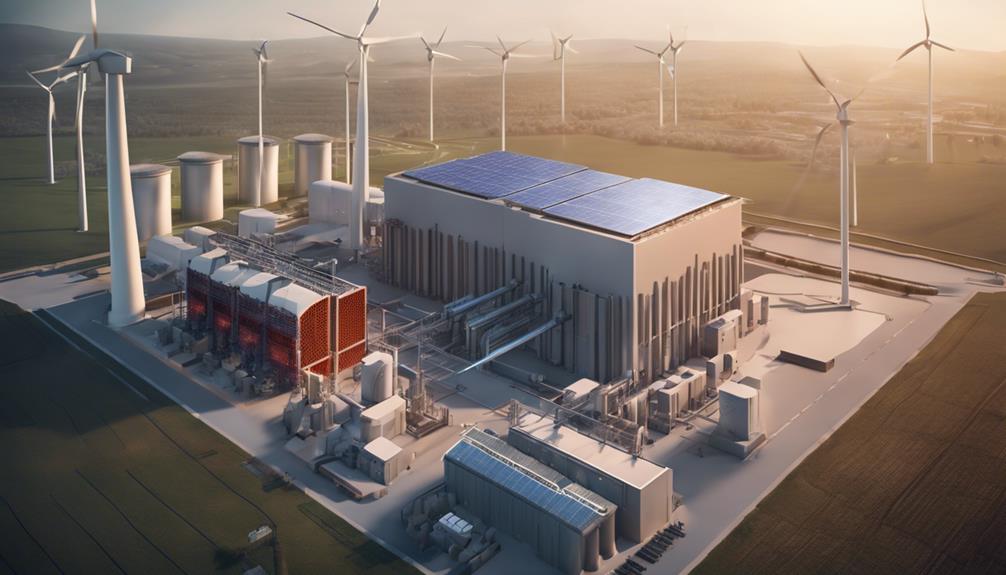
Different blockchains vary significantly in their energy consumption and environmental impact, which you should consider when engaging with cryptocurrency.
For example, Bitcoin, which uses a proof-of-work (PoW) protocol, requires massive amounts of energy. Miners solve complex mathematical problems, and the network as a whole consumes more electricity than some countries.
On the other hand, Ethereum has begun transitioning to a proof-of-stake (PoS) protocol, which drastically cuts down on energy use. In PoS, validators are chosen to create new blocks based on the number of coins they hold and are willing to "stake" as collateral, rather than on their ability to solve hash challenges. This method isn't just more energy-efficient; it also reduces the overall carbon footprint of the blockchain's operation.
You'll find that newer blockchains have adopted PoS from the outset, aligning with a more sustainable approach. Networks like Cardano and Solana use PoS, positioning themselves as more environmentally friendly alternatives.
When deciding which cryptocurrencies to invest in or utilize, it's crucial to weigh their environmental impacts. As the digital currency landscape evolves, staying informed about how different technologies affect the planet can guide your choices.
Innovations in Green Mining
Innovations in green mining are rapidly transforming how cryptocurrencies manage their environmental impact. You've likely heard the criticism about the high energy consumption of cryptocurrency mining. Well, the landscape's changing, thanks to cutting-edge technology and new practices that prioritize sustainability.
One major shift is the adoption of renewable energy sources. Solar, wind, and hydroelectric power are now powering an increasing number of mining operations. You're not just investing in digital currencies; you're supporting a move towards cleaner energy.
Additionally, there's significant progress in the design of more energy-efficient mining hardware. Manufacturers are now producing rigs that consume less electricity and offer greater hash rates—this means you get more mining power with less energy.
Furthermore, some blockchain networks are shifting from energy-intensive proof of work (PoW) protocols to proof of stake (PoS) or hybrid models. This change significantly reduces the energy required to maintain network security and validate transactions.
You also have the option to join eco-friendly mining pools. These pools focus on using renewable energy and share the ethos of reducing carbon footprints. By choosing these green alternatives, you're part of an important shift towards reducing the environmental impact of digital currencies.
Regulatory Impacts on Emissions

As governments worldwide recognize the environmental impacts of cryptocurrency mining, they're implementing regulations aimed at curbing emissions. You're now facing a landscape where compliance with these new rules isn't just good ethics—it's essential for your operation's survival.
These regulations vary significantly by region, reflecting differing priorities and economic strategies. In Europe, for instance, you might see stricter guidelines that align with broader environmental goals, such as the Green Deal. If you're operating there, you're likely adapting to some of the most rigorous standards in the world, which could mean investing in renewable energy sources or upgrading to more efficient hardware.
In the United States, the approach can be more fragmented. States may set their own rules, which creates a patchwork of regulations you need to navigate. This might involve strategic decisions about where to locate your mining operations to maximize efficiency while minimizing regulatory burdens.
China, on the other hand, has taken a firmer stance with outright bans in certain regions, pushing you to consider relocating operations or changing your business model entirely.
Staying ahead means keeping your finger on the pulse of these changes; it's the only way to ensure you're not only compliant but also competitive in a rapidly evolving market.
Conclusion
You now see how cryptocurrency mining boosts carbon emissions due to intense energy use, mostly from fossil fuels. As demand for mining increases, so does the strain on our planet. It's crucial to compare blockchain energy needs and support innovations in green mining. By pushing for regulations that reduce emissions, you can help pivot the industry towards sustainability. Your awareness and actions are vital in shaping a more environmentally friendly future in cryptocurrency mining.