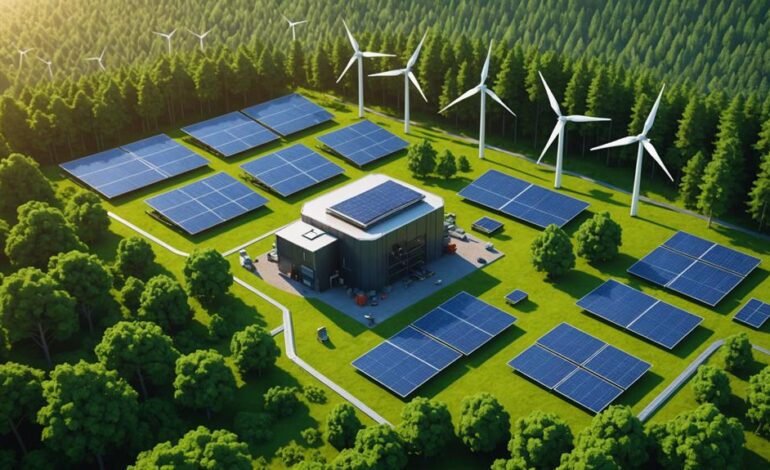
What Are Eco-Friendly Crypto Mining Alternatives?

As you consider the environmental impact of cryptocurrency mining, it's crucial to explore sustainable alternatives that can help mitigate these effects. You're aware that traditional mining consumes vast amounts of electricity, primarily sourced from non-renewable energy, leading to significant carbon emissions. But have you considered how renewable energy sources like solar, wind, and hydropower could revolutionize this sector? These alternatives not only promise to reduce the carbon footprint associated with digital currency mining but also potentially lower energy costs in the long term. Let's examine how these green solutions are currently being implemented and what challenges they face in replacing conventional power sources.
Understanding Crypto Mining's Impact
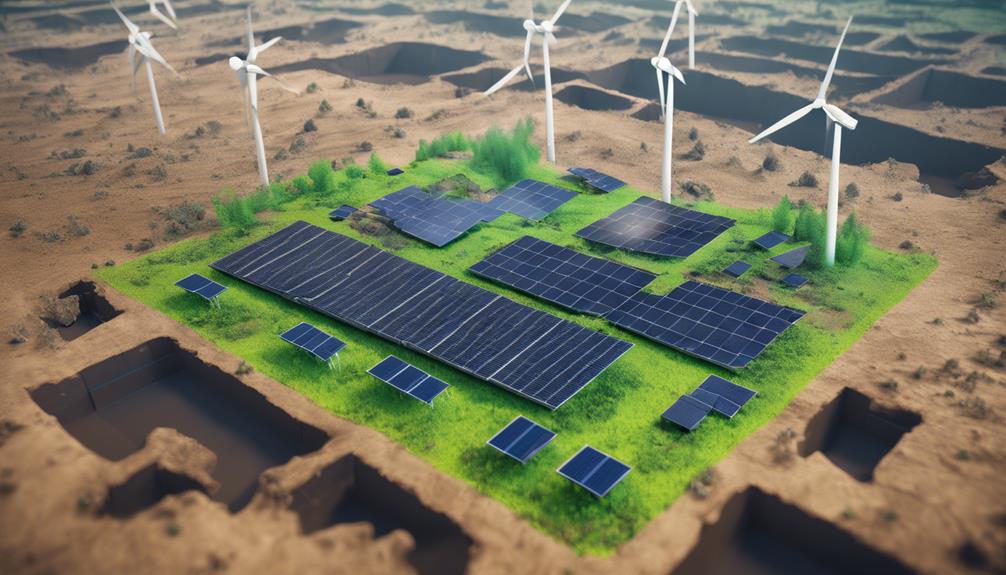
Most people don't realize the enormous environmental toll that crypto mining exacts. You might be among those who imagine crypto as merely digital and thus environmentally benign. However, the reality is starkly different.
Each transaction or mined block on networks like Bitcoin requires substantial computational power, leading to a high demand for electricity. This demand often relies on non-renewable energy sources which contribute significantly to carbon emissions.
The hardware used in mining, primarily high-powered computers, also adds to the ecological footprint. These devices aren't only energy-intensive but also have a short lifespan, which contributes to electronic waste.
As you update your rigs to keep pace with increasing mining difficulties, the older equipment often ends up discarded, rarely recycled.
Furthermore, the heat generated by continuous mining operations necessitates additional cooling mechanisms, further increasing their energy consumption. You mightn't see these impacts day-to-day, but they accumulate, contributing to a larger global environmental problem.
Understanding this impact is crucial if you're involved in or support cryptocurrency. Recognizing the real costs of digital currencies is the first step toward advocating for or adopting more sustainable practices in the crypto space.
Solar Power for Mining Operations
Harnessing solar power for mining operations presents a promising solution to the environmental challenges posed by traditional crypto mining methods. By converting sunlight directly into electricity, you're tapping into a virtually limitless, clean energy source that drastically reduces the carbon footprint associated with mining digital currencies.
Solar panels, when installed at mining sites, can offer a sustainable power supply that's both cost-effective and environmentally friendly. You might worry about the initial setup costs, but consider this: solar energy systems have a decreasing cost trend and can provide long-term savings on electricity bills.
Moreover, advancements in solar technology have improved the efficiency of these systems, making them more viable even in less sunny regions.
You might think that the intermittent nature of solar power could be a drawback. However, pairing solar panels with battery storage systems ensures that the energy harvested during peak sunlight hours can power mining operations around the clock. This setup not only secures a constant energy supply but also enhances the overall sustainability of the mining process.
Wind Energy as a Viable Solution

Turning to wind energy offers another robust option for powering crypto mining operations in an environmentally friendly manner. By harnessing the power of wind, you're tapping into a renewable source that doesn't emit greenhouse gases or pollute the landscape. This makes it an excellent choice for reducing your carbon footprint while maintaining the energy-intensive process of mining cryptocurrencies.
Wind farms can be established in various locations where wind patterns are consistent and strong, providing a reliable energy source. You'll find that once set up, wind turbines generate electricity at a low ongoing cost, thanks to the free and abundant nature of wind. This can significantly reduce operational costs over time, making your mining venture more sustainable and economically viable.
Moreover, wind energy is scalable. You can start with a few turbines and expand as your mining needs grow. This adaptability ensures that your energy supply remains in line with your operational demands without excessive initial investment.
Hydropower: Harnessing Water's Potential
Similar to wind energy, hydropower offers a sustainable solution to meet the high energy demands of crypto mining. By tapping into the kinetic energy of flowing water, you can power extensive mining operations without the hefty carbon footprint associated with fossil fuels. It's a clean, renewable source that's not only abundant but also remarkably consistent compared to solar and wind sources.
You might wonder how effective this can be. Well, consider that large-scale mining farms located near hydroelectric plants benefit from direct access to high-power, low-cost energy. This setup significantly reduces operational costs and enhances the sustainability of blockchain technologies.
Moreover, the scalability of hydropower allows you to expand operations without a proportional increase in environmental impact.
However, it's crucial to acknowledge that while hydropower is cleaner, it's not without challenges. The construction of dams and reservoirs can disrupt local ecosystems and communities. Therefore, it's essential you prioritize sites with minimal ecological and social impact.
Geothermal Energy in Mining
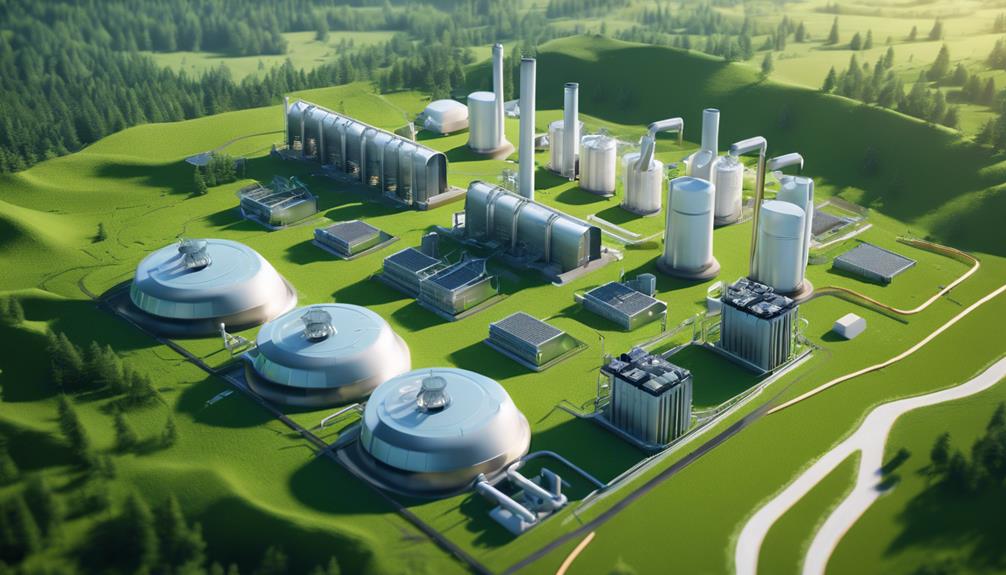
Geothermal energy provides another robust solution for the energy-intensive process of crypto mining. Harnessing the earth's heat, this power source offers a constant and reliable energy supply, ideal for the continuous operation required by mining rigs. You can find significant geothermal resources near tectonic plate boundaries, often accessible by drilling into underground reservoirs to tap steam and hot water.
Using geothermal energy, you're not only tapping into a clean power source but also reducing the carbon footprint associated with digital currency mining. Unlike fossil fuels, geothermal plants emit little to no greenhouse gases. Plus, the baseload capacity of geothermal energy means it can run day and night, unaffected by weather conditions, ensuring a steady power supply for mining operations.
The upfront cost of geothermal energy can be high due to the need for initial drilling and plant setup. However, the long-term benefits include low operating costs and minimal environmental impact.
As you consider the sustainability of your mining activities, geothermal energy stands out as a compelling choice, promising both ecological and economic advantages over traditional power sources.
Biomass Energy Utilization
As we explore sustainable energy sources for crypto mining, consider the potential of biomass energy. This renewable source, derived from organic materials like wood, agricultural crops, and waste, can power your mining operations in a more environmentally friendly way. Biomass energy is unique because it utilizes materials that would otherwise contribute to landfill waste, making it a dual-purpose solution.
By converting these organic materials into electricity, you're not just mining; you're also participating in waste reduction. Biomass power plants convert these materials into fuel through processes like combustion, gasification, and anaerobic digestion, which in turn generates electricity to power mining rigs. It's a cycle that supports sustainability.
Moreover, integrating biomass systems can reduce reliance on fossil fuels, decreasing your carbon footprint. It's cost-effective over time and benefits from government incentives in many regions. However, it's crucial to source biomass responsibly to avoid deforestation and ensure your energy remains sustainable.
Nuclear Power: A Controversial Option
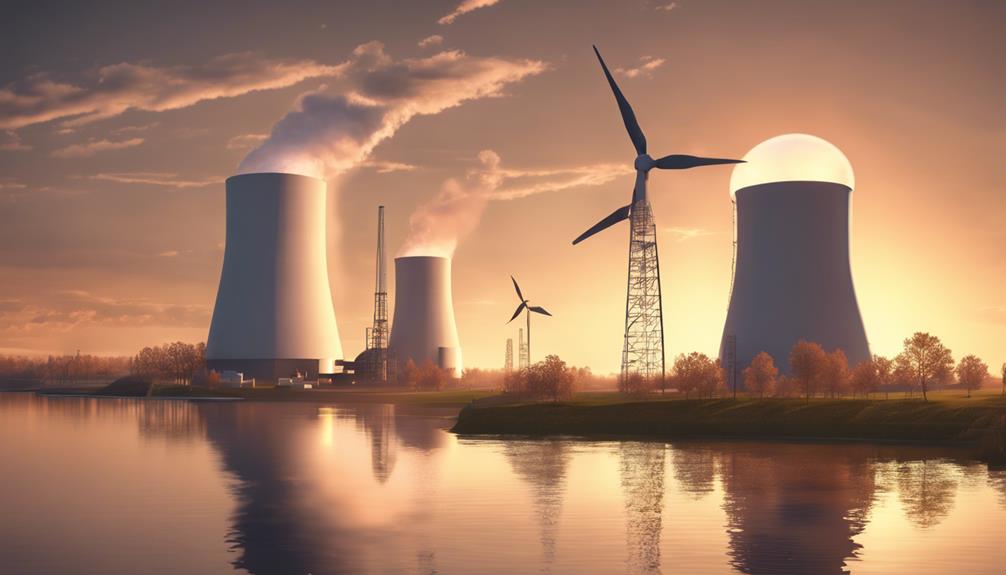
While biomass energy offers a more sustainable approach to crypto mining, nuclear power presents a more contentious alternative. You might find yourself weighing the pros and cons heavily.
On one hand, nuclear energy is incredibly efficient. A single nuclear power plant can generate a massive amount of electricity with a relatively small footprint, potentially powering extensive mining operations without the carbon emissions associated with fossil fuels.
However, it's not all smooth sailing. The use of nuclear energy in crypto mining brings up serious concerns about safety and environmental impact. You're likely aware of the catastrophic events at Fukushima and Chernobyl, and it's understandable if these incidents make you hesitant. The risk of accidents, although statistically low, can have devastating effects.
Moreover, you have to consider the problem of nuclear waste. It remains radioactive for thousands of years and poses a significant challenge in terms of disposal and management. While technology for safer waste handling is improving, it's a slow process and the current solutions are far from perfect.
As you ponder over nuclear power, remember, it's a potent but complex option. Its feasibility really depends on your priorities and how much risk you're willing to accept in your quest for greener crypto mining.
Innovations in Crypto Mining Hardware
Moving beyond traditional energy sources, another promising avenue for reducing the environmental impact of crypto mining involves innovations in mining hardware.
You've likely heard of ASICs (Application-Specific Integrated Circuits), which are tailored specifically for mining cryptocurrencies. These devices are a leap forward from general-purpose hardware like CPUs or GPUs due to their increased efficiency in processing mining algorithms.
But the real game-changer has been the evolution of these ASICs to become more energy-efficient. Newer models consume less power per hash, significantly reducing their carbon footprint. Companies are now investing in research and development to push these boundaries even further.
For example, some are experimenting with hardware that can automatically adjust its power usage based on the current needs of the network, optimizing energy consumption in real-time.
Moreover, there's a growing trend toward repurposing heat generated from mining operations. Instead of letting this heat go to waste, innovative solutions use it to warm buildings, power heating systems, and even support agricultural processes. This not only diminishes the environmental impact but also improves the overall efficiency of the mining operation.
As you explore your cryptocurrency journey, keep an eye on these developments. They're not just good for the planet; they could improve your mining profitability too.
The Role of Carbon Credits

You might wonder how carbon credits can play a role in reducing the environmental footprint of crypto mining. Essentially, carbon credits are permits that allow the holder to emit a certain amount of carbon dioxide or other greenhouse gases. The idea is that companies or operations that can't avoid producing emissions can offset their impact by purchasing these credits.
In the context of crypto mining, which is notoriously energy-intensive, carbon credits offer a path to more sustainable practices. By buying credits, mining operations can compensate for their carbon emissions while they transition to greener technologies. This isn't just good for the planet; it's often good for business too, as more consumers and investors are demanding environmentally responsible practices.
However, it's crucial to approach carbon credits with a critical eye. They're not a silver bullet and should be part of a broader strategy that includes direct reductions in emissions. For crypto miners, this means investing in energy-efficient hardware and exploring renewable energy sources.
Conclusion
You've explored a range of eco-friendly crypto mining alternatives that are not only better for the planet but can also save you money in the long run. From solar and wind to geothermal and biomass, each option offers a sustainable way to power your mining operations. Coupled with advancements in hardware and strategies like carbon credits, you're well-equipped to make a positive environmental impact while maintaining profitability in your crypto mining endeavors. Embrace these innovations and lead the way to a greener future.