Why Does Crypto Mining Consume So Much Energy?
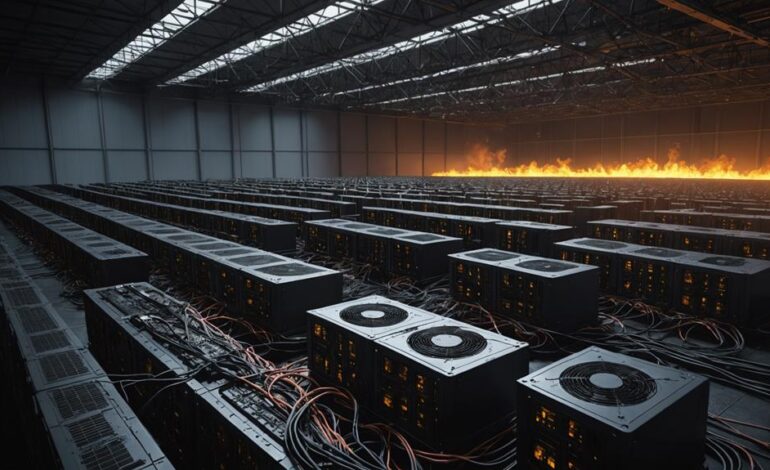
As you delve into the world of cryptocurrency, you've likely wondered why crypto mining demands such high energy consumption. At its core, the process involves complex computational tasks that not only require formidable hardware but also run continuously to solve cryptographic puzzles. This intensity is compounded as more participants join the fray, escalating the difficulty and, in turn, the power needed. But what's often overlooked is the balance between this energy use and the innovation it drives. Consider the implications: as you reflect on the environmental impact, also weigh the technological advancements that might offset these concerns. What are the future prospects for sustainable mining technologies, and how might they reshape the energy landscape of crypto mining?
Understanding Cryptocurrency Mining
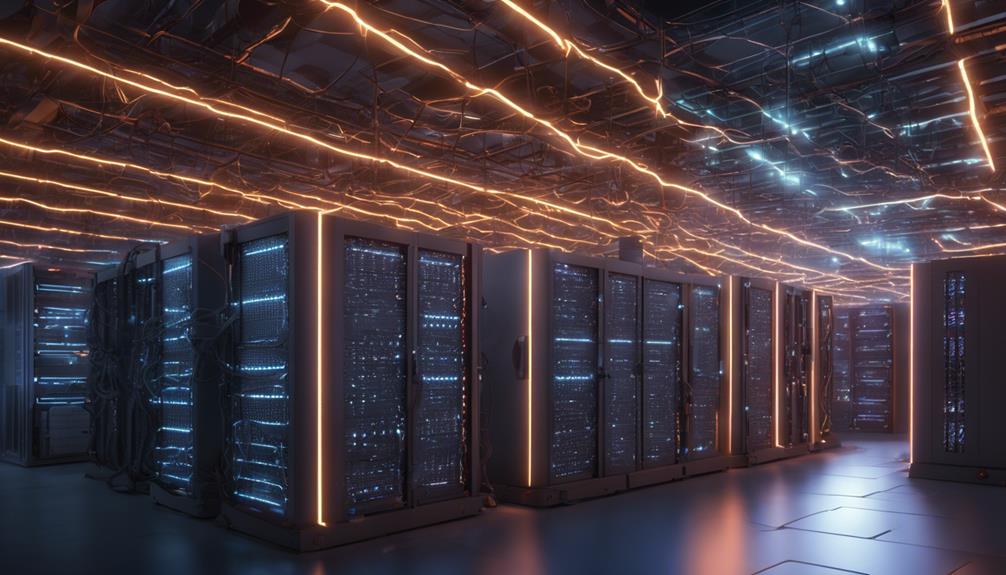
Cryptocurrency mining involves complex computational processes that validate and record transactions across a decentralized network, typically known as a blockchain. As you delve into the world of crypto, it's crucial to understand how these processes not only secure and propagate digital currency transactions but also why they consume a significant amount of energy.
Each transaction adds a new block to the blockchain, and to ensure the block's integrity, miners must solve a cryptographic puzzle, known as proof of work. This task is intensive; it requires substantial computational power and, as a result, draws a considerable amount of electricity.
You're not just crunching numbers; you're competing against other miners worldwide to validate the transaction first and earn the cryptocurrency reward associated with it.
The energy consumption is vast because the difficulty of these puzzles adjusts based on the total computing power of the network to ensure that the time to find a new block remains about ten minutes.
As more miners join the network and as the value of cryptocurrencies rise, the puzzles become increasingly difficult, demanding more computational power and, subsequently, more electricity. This cycle is why mining locations with cheap electricity are highly sought after.
Hardware Requirements for Mining
As you consider diving into cryptocurrency mining, it's crucial to understand the hardware requirements involved. First off, you'll need a powerful processor, but the real workhorse in most setups is the graphics processing unit (GPU). High-end GPUs are favored for their ability to handle complex calculations faster, which is essential for mining most cryptocurrencies.
Alternatively, you could opt for an application-specific integrated circuit (ASIC), designed specifically for mining certain cryptocurrencies. ASICs are much more efficient at processing mining tasks compared to general hardware like CPUs or GPUs. However, they're also pricier and less versatile since they can only mine a specific type of cryptocurrency.
Additionally, a reliable and fast internet connection is a must. Mining involves constant communication with the cryptocurrency network to verify transactions, so a stable connection ensures you don't miss out on potential mining rewards due to downtime.
You'll also require sufficient RAM and a compatible motherboard that can handle multiple GPUs if you plan to scale up your operation. Remember, the choice of your hardware profoundly influences your mining efficiency, which in turn affects your potential earnings. Choose wisely based on your budget and the specific cryptocurrency you intend to mine.
Energy Consumption of Mining Rigs

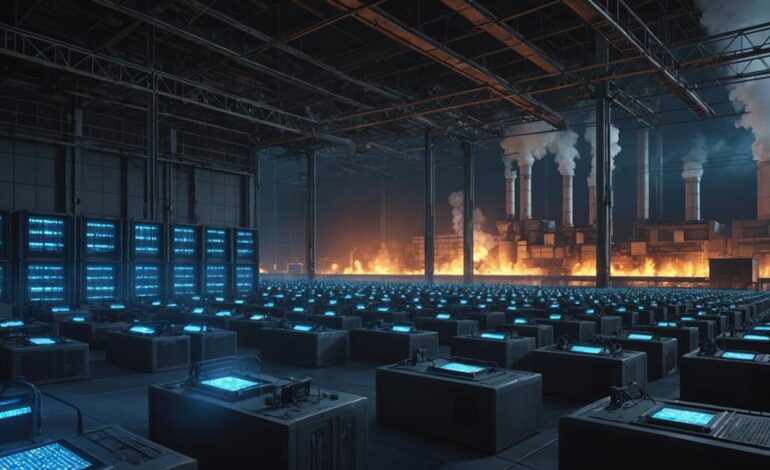
Understanding the hardware requirements for cryptocurrency mining sets the stage for a deeper examination of its energy demands. You've seen the setups: rows of high-powered computers, each tasked with solving complex algorithms. These aren't your average desktops. Mining rigs are equipped with specialized processors like ASICs and high-end GPUs, which are both powerful and power-hungry.
Each rig functions non-stop, churning through calculations at incredible speeds. This continuous operation means they're drawing power every second they're on. To put it in perspective, a single ASIC miner can consume as much electricity as half a dozen households in a day. Now, multiply this by thousands of miners globally, and you'll start to see why the energy consumption is staggering.
You might wonder how much this adds up to. On average, a mining operation could be using electricity at a rate of tens of megawatts. This consumption isn't just a static number; it fluctuates with the network's total hash rate and the difficulty of the mining process, which adjusts every two weeks.
Given this high demand for energy, it's crucial you're aware of the sustainability of your power sources. Renewable energy solutions are becoming more viable and can help mitigate some of the environmental impacts.
Impact on Global Power Demands
The staggering energy demands of crypto mining are reshaping global power needs, pushing the limits of what our current infrastructure can handle. As you delve deeper into the world of cryptocurrencies, you're contributing to a surge in electricity consumption that's causing ripples across the globe. This isn't just about more power plants; it's about the very ability of regions to meet these demands without risking blackouts or energy shortages.
Imagine entire cities, where every other warehouse or factory isn't producing goods but mining digital currency 24/7. These facilities pull massive amounts of electricity—often more than their fair share—leading to a significant strain on local power grids.
You mightn't see it directly, but when your electricity bill hikes up or when you face unexpected power cuts, it's partially because of the immense energy pull from these mining operations.
Countries with abundant and cheap electricity have become hotspots for miners, shifting global energy flows and priorities. For instance, small towns that once used their natural resources moderately are now seeing them taxed to the brink.
This isn't just a local issue; it's a global challenge that demands a rethink of how energy is produced, consumed, and conserved in the age of digital currency mining.
Mining Algorithms and Complexity

Dive into the technical core of crypto mining where algorithms play a crucial role. You've likely heard about how energy-intensive mining can be, but you mightn't know why. It's all about the algorithms. These complex mathematical problems ensure the security and integrity of blockchain transactions. Each algorithm demands significant processing power, which in turn, consumes a lot of electricity.
The most commonly used algorithm is Proof of Work (PoW). It requires miners to solve highly complex puzzles to validate transactions and create new blocks. This process isn't just tough—it's designed to be that way. The complexity ensures that manipulating the blockchain is near-impossible without the required computational and energy resources.
As you delve deeper, you'll understand that the difficulty of these puzzles adjusts based on the total computing power of the network. This means that as more miners join the game, the puzzles become harder, demanding even more power. It's a cycle that continually ups the stakes in terms of energy consumption.
Trends in Mining Efficiency
As cryptocurrency mining demands escalate, there's been a noticeable push toward making this process more efficient. You'll find that advancements in hardware are at the forefront of this shift. Modern miners are transitioning to Application-Specific Integrated Circuits (ASICs), which are tailored specifically for mining cryptocurrencies. These devices aren't just faster; they're remarkably more power-efficient than the general-purpose hardware that was previously used.
You've also likely noticed a trend towards optimizing mining software. Developers are constantly refining algorithms to squeeze out every bit of efficiency. This means that the same amount of computing power now accomplishes more with less energy. It's not just about upgrading hardware; it's also about smarter software that maximizes output while minimizing input.
Another key area is the development of better cooling solutions. Mining generates a lot of heat, and managing this heat effectively can significantly reduce energy consumption. Innovations like liquid cooling systems are being integrated more frequently, which maintain optimal temperatures without the steep energy costs associated with traditional air cooling systems.
These trends show a clear path toward more sustainable mining practices, ensuring that as you delve deeper into crypto mining, you're part of a movement that values efficiency just as much as profitability.
Renewable Energy in Crypto Mining
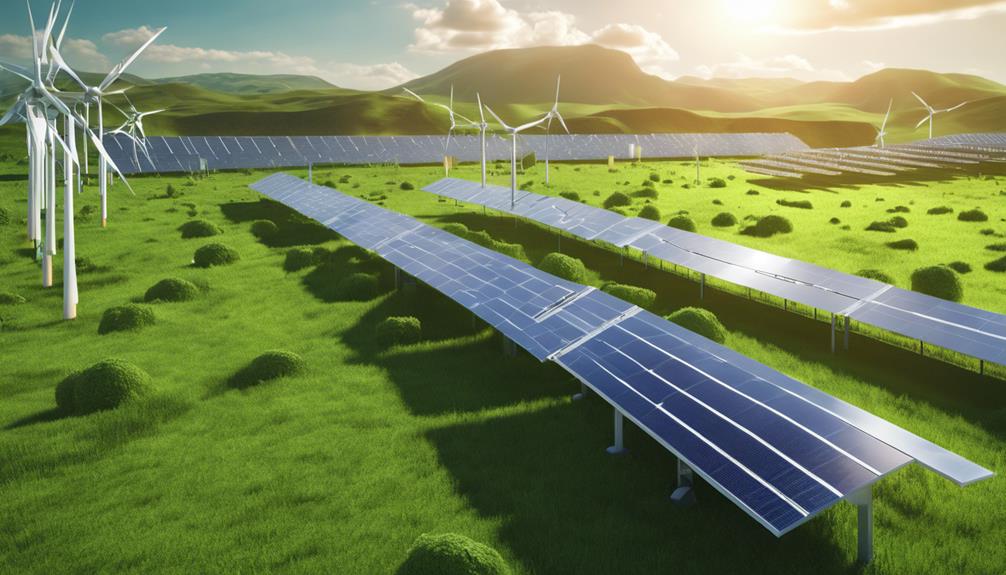
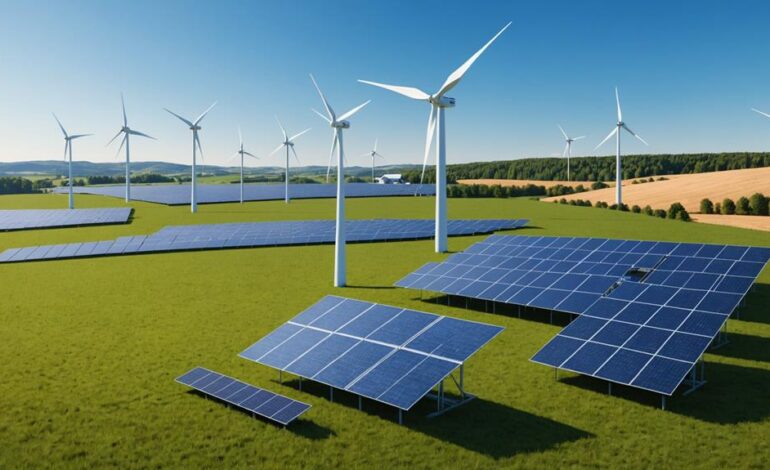
Shifting toward renewable energy sources, crypto mining is beginning to lessen its environmental impact significantly. You might wonder how this shift is occurring and what it means for the future of cryptocurrency. It's quite straightforward; as renewable energy becomes more accessible and cost-effective, mining operations are increasingly tapping into these greener alternatives.
You see, traditional mining relies heavily on electricity generated from fossil fuels, which contributes to significant carbon emissions. However, by integrating solar, wind, or hydroelectric power into their operations, miners can reduce their carbon footprint dramatically. This isn't just good for the planet; it's also becoming a savvy business strategy as consumers and investors grow more environmentally conscious.
Moreover, the use of renewables can lead to more stable energy costs in the long run. You're not subject to the volatility of fossil fuel markets, which can fluctuate wildly based on geopolitical tensions and other factors. This stability can make budgeting easier and potentially increase profitability.
Regulatory Influences on Mining Practices
Over the past few years, governments worldwide have begun to recognize the environmental and economic impacts of crypto mining, leading to a wave of new regulations aimed at shaping better mining practices. You've likely noticed how these changes are reshaping the landscape of cryptocurrency operations in your region and beyond.
These regulations vary significantly from one country to another. In some parts of the world, like China, you've seen outright bans on crypto mining due to its massive energy consumption and potential risk to national grid stability. This drastic step reflects a growing trend of countries evaluating how crypto mining aligns with their environmental goals.
In contrast, other countries are adopting a more measured approach. For instance, in the United States and parts of Europe, you'll find regulations that don't outright ban mining but instead focus on making it more sustainable. These include mandates for using renewable energy sources and implementing energy-efficient technologies in mining operations.
As a miner, you're now faced with a landscape where you must navigate through these regulatory waters carefully. Staying informed about local laws and adapting to cleaner, more efficient technologies isn't just good practice—it's essential for your survival in this rapidly evolving industry.
Conclusion
You've seen how crypto mining's intense energy use stems from the need for powerful hardware and constant operation. As mining algorithms grow more complex, the energy demand spikes even further. However, there's a shift towards more efficient practices and renewable energy sources, which could mitigate some impacts. Keep an eye on how regulations shape these practices, potentially leading to more sustainable ways to maintain the blockchain while lessening the environmental footprint.