7 Tips on Reducing Crypto Mining’s Energy Impact
As you dive into the world of cryptocurrency, it's crucial to consider the environmental impact of mining. You've got options to cut down the power drain and make your mining activities more sustainable. By selecting energy-efficient hardware and tapping into renewable energy sources, you're not just saving costs but also protecting the planet. Cooling technologies and strategic mining schedules can further reduce your carbon footprint. But how do these strategies actually stack up in practice, and what innovative solutions are miners around the globe adopting to make a real difference? Let's explore the possibilities and challenges that lie ahead in making crypto mining environmentally friendly.
Optimize Mining Hardware Efficiency

To reduce the environmental impact of cryptocurrency mining, it's crucial to optimize the efficiency of your mining hardware. Start by selecting hardware designed for efficiency. ASICs, for instance, are tailored for mining specific cryptocurrencies and consume far less power than general-purpose GPUs. Regularly updating your hardware to more energy-efficient models can also cut down on unnecessary energy consumption.
You'll also want to optimize your mining rig's settings. Underclocking the GPU reduces power consumption while maintaining a reasonable mining output. It's a balancing act between performance and energy use, so you'll need to experiment to find the most efficient setup.
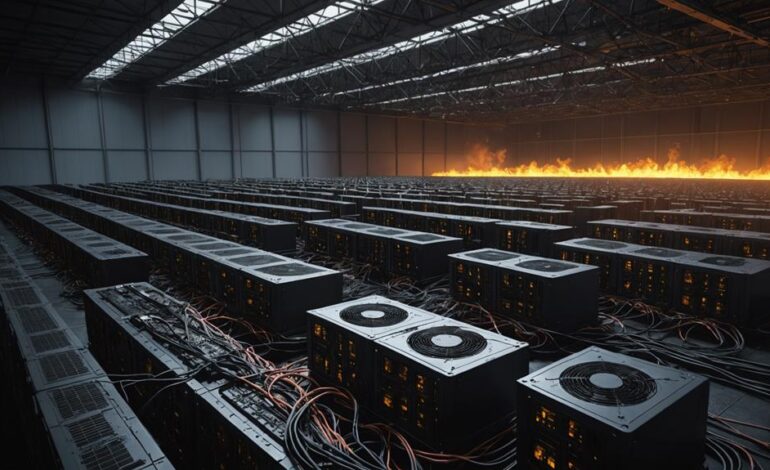
Managing the heat generated by mining equipment is another key strategy. Efficient cooling systems prevent overheating and reduce energy usage. Consider using heat management solutions that recycle excess heat for other purposes, though this option requires careful planning and investment.
Lastly, routine maintenance is essential. Dust buildup can lead to overheating and inefficiency. Regular cleaning and checking for hardware faults ensure your setup runs smoothly, preventing energy wastage from malfunctioning equipment.
Utilize Renewable Energy Sources
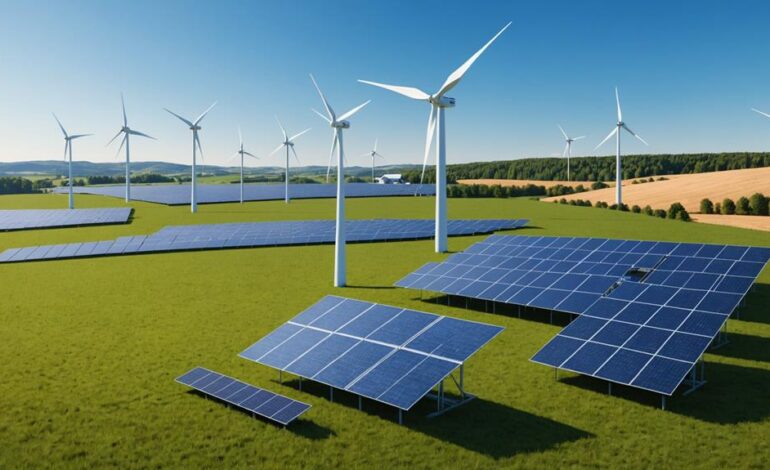
While optimizing mining hardware is a significant step, another effective approach is harnessing renewable energy sources for your operations. By tapping into solar, wind, or hydroelectric power, you're not just cutting down on your electricity bills; you're also reducing the carbon footprint associated with mining cryptocurrencies.
Solar panels, for instance, can be a great investment. Once installed, they provide free energy throughout their lifespan, which is perfect for the energy-intensive process of mining.
Wind turbines are another excellent option if you're located in an area with consistent wind patterns.
Hydroelectric power, though more location-dependent, can offer a continuous power supply from a renewable source.
Switching to renewables isn't just about being eco-friendly; it also makes economic sense in the long run. Governments around the world are starting to offer incentives for renewable energy usage, which can help offset the initial setup costs. Additionally, using green energy can enhance your brand's reputation, attracting customers who value sustainability.
Implement Server Cooling Technologies
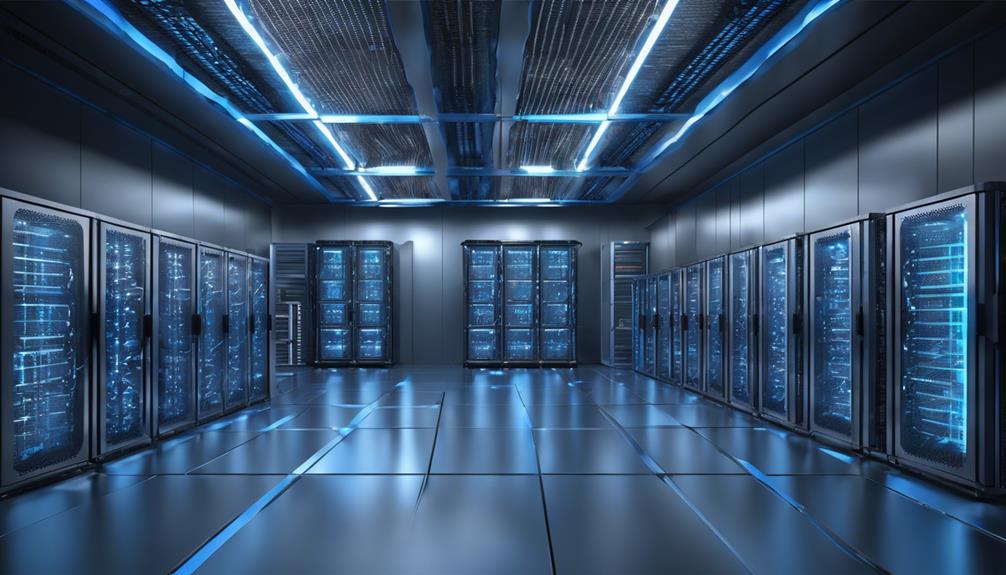
Implementing server cooling technologies significantly reduces the thermal load produced by crypto mining operations. As you dive into cryptocurrency mining, you'll find that heat management is crucial. By focusing on advanced cooling solutions, you can enhance the efficiency and longevity of your mining hardware.
You've got several options to consider. Liquid cooling systems, for instance, are highly effective. They use a coolant to absorb heat from the server before it gets too hot, which keeps your equipment running smoothly without the excessive noise and energy consumption of traditional fans. It's a cleaner, more sustainable approach that prolongs the life of your components.
Another method you might explore is the use of heat recovery systems. These systems repurpose the heat generated by mining rigs, potentially warming office spaces or driving industrial processes. This not only reduces the waste heat but also cuts down on heating costs in cooler climates.
Don't forget about proper airflow design in your setup. Good airflow prevents hot spots and ensures that all parts of your mining setup are adequately cooled. You should design your mining space to allow for unobstructed air passage, using strategic placement of vents and fans to maintain an optimal operating temperature.
Explore Cloud Mining Options
Exploring cloud mining options can significantly reduce your direct involvement in the energy-intensive process of cryptocurrency mining. By leveraging cloud services, you're essentially renting computational power from providers who manage large data centers optimized for mining efficiency. This setup not only lessens your energy footprint but also eliminates the need for maintaining hardware.
When you opt for cloud mining, you're not responsible for the electricity and cooling requirements of the physical machines. This is particularly advantageous because you can participate in mining without investing in expensive equipment or worrying about escalating power bills.
Furthermore, cloud mining centers are often strategically located in regions with lower electricity costs and cooler climates, enhancing overall energy efficiency.
Before diving into cloud mining, it's crucial to research trustworthy providers to avoid scams. Look for established companies with transparent operational histories. Read reviews and check their technology to ensure you're getting the best return on investment.
Adjust Mining Schedules

Adjusting your mining schedules can lead to significant energy savings and cost reductions. By strategically planning when to mine, you can take advantage of lower energy rates during off-peak hours. Most utility companies charge less for electricity during these times, which can drastically cut your operational costs.
Consider mining late at night or early in the morning when demand for electricity drops. You'll not only save money but also contribute to a more balanced energy consumption on the grid, reducing the likelihood of outages or overloads. It's a win-win: your costs go down, and you ease the strain on your local power infrastructure.
Moreover, by monitoring real-time energy pricing, you can dynamically adjust your mining activity based on when electricity is cheapest. This requires some setup in terms of technology and possibly automation software, but the investment can pay off quickly.
You might also explore setting automatic controls to pause mining during peak tariff periods and resume when rates fall.
This approach not only optimizes your expenses but also aligns your operations with more sustainable energy usage practices. It's a smart move that boosts your profitability while mitigating the environmental impact of your mining activities.
Engage in Pool Mining
By joining a mining pool, you can combine your computational resources with others to increase the chances of successfully validating new blocks. This collaboration not only boosts your likelihood of earning mining rewards but also significantly reduces the redundant effort your machine would otherwise exert in solo mining scenarios.
In a pool, your computer doesn't need to perform the maximum computational work possible; instead, it completes smaller, more manageable parts of the task. This division of labor isn't just efficient—it's also a smarter way to manage the energy consumption of your mining setup. You'll draw less power per unit of cryptocurrency mined, which directly contributes to a lower overall energy footprint.
Moreover, most mining pools have optimized their hardware and software configurations. By tapping into this optimized system, you sidestep the need for constant hardware upgrades on your end. This not only saves energy but also reduces electronic waste, aligning with more sustainable mining practices.
Monitor and Audit Energy Usage
After understanding the benefits of pool mining, it's equally important to regularly monitor and audit your energy usage to ensure your setup remains efficient and environmentally friendly. By keeping a close eye on how much power you're consuming, you can identify any inefficiencies and take steps to address them. This isn't just good for your wallet, but it also helps reduce your environmental footprint.
Start by installing energy monitoring tools. These devices track your energy consumption in real time and provide detailed reports, allowing you to see exactly where and when your energy usage peaks. You'll be able to pinpoint which parts of your mining operation are the most power-hungry and might need adjustments.
Don't overlook the importance of conducting regular audits. Hire professionals if you aren't sure how to proceed. They can assess your setup and suggest improvements, such as upgrading to more energy-efficient hardware or adjusting your mining schedule to take advantage of lower energy rates during off-peak hours.
Conclusion
You've got a clear path to make your crypto mining more sustainable. Start by optimizing your hardware and tapping into renewable energy sources. Implement efficient cooling technologies and consider cloud mining to reduce your footprint. Adjust your mining schedules to off-peak hours, join a mining pool, and regularly monitor your energy usage. By taking these steps, you can significantly lower the environmental impact of your mining activities while still staying ahead in the crypto game.