10 Best Methods to Securely Store Cryptocurrencies
As you venture into the realm of cryptocurrencies, it's imperative that you prioritize the security of your digital assets. You've probably heard about hardware wallets and cold storage, but are you aware of how these tools actually protect your investments? By understanding and implementing the top methods, such as multi-signature addresses and two-factor authentication, you can significantly reduce the risk of cyber theft. However, the nuances of each method and their integration can be complex. Let's explore how these strategies not only safeguard your assets but also give you peace of mind in an unpredictable digital landscape.
Understanding Hardware Wallets
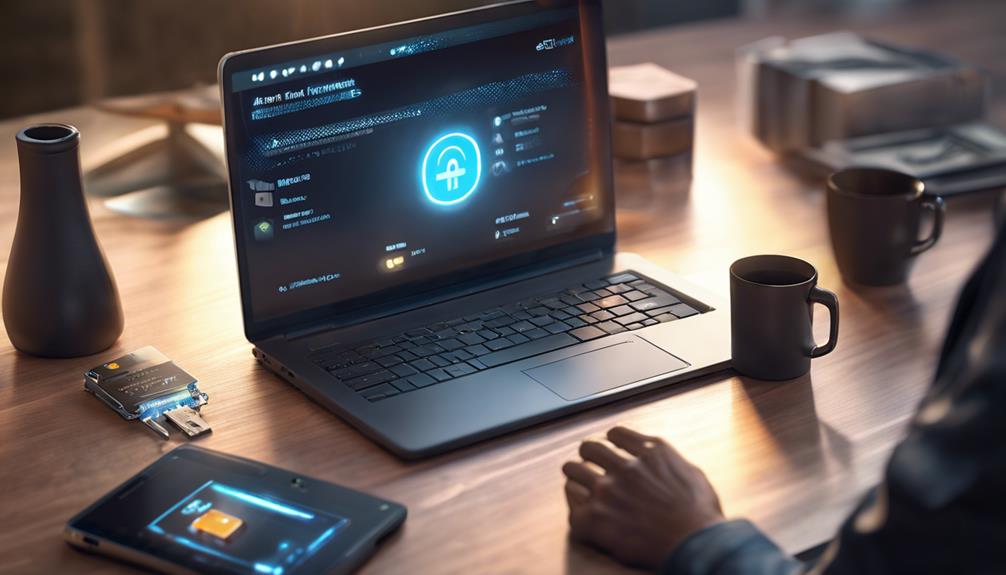
A hardware wallet's primary role is to keep your cryptocurrencies safe from online threats. Unlike traditional banking systems, where institutions have sophisticated security mechanisms, you're often your own bank in the crypto world. This means it's up to you to safeguard your digital assets.
Hardware wallets, which are physical devices, store your private keys offline, making them inaccessible to hackers and malware that can infect internet-connected devices.
You might wonder why you'd need such a device. Well, think about the vulnerabilities of software wallets or exchanges that are constantly connected to the Internet. They're susceptible to attacks that could drain your digital funds in seconds.
By using a hardware wallet, you're physically isolating your private keys from the online environment, substantially reducing the risk of theft.
Moreover, these devices are designed to be user-friendly. They often come with their own interfaces that guide you through the process of managing your cryptocurrencies. You'll find features like backup options to recover your funds in case of device loss or damage.
Utilizing Cold Storage Options
Besides hardware wallets, you often have the option of using other cold storage methods to secure your cryptocurrencies. Cold storage refers to keeping your crypto offline, which significantly reduces the risk of hacks.
One popular method is paper wallets. These are simply printouts of your public and private keys. You can generate these using specific websites, print them, and then store them somewhere safe like a safe deposit box. Just remember, if you lose the paper or it's destroyed, you can't access your coins.
Another reliable option is a USB drive or other external hard drives. You'd store your wallet file securely on this device. It's crucial you encrypt the drive and make backups to prevent loss due to device failure or damage. Keep these backups in separate locations to safeguard against theft, fire, or water damage.
Setting Up Multi-Signature Addresses

Transitioning to multi-signature addresses adds an extra layer of security to your cryptocurrency holdings. Unlike traditional single-key addresses, multi-signature setups require two or more keys to authorize a transaction. This means if one key is compromised, your assets remain secure because additional approvals are needed.
To start, you'll need to choose a wallet that supports multi-signature functionality. Popular options include Electrum and BitGo. Once you've selected your wallet, you must generate the required number of keys. You can distribute these keys among trusted individuals or devices. It's crucial to decide how many keys are necessary to approve a transaction.
Common configurations are:
- 2-of-3: Two out of three keys are needed to transact.
- 3-of-5: Three out of five keys are needed to transact.
Next, set up your wallet by following the provider's instructions to create a multi-signature wallet. Enter each key carefully. Test the setup with small amounts before moving large balances. Remember, losing access to one of the keys could prevent you from accessing your funds unless backup procedures are in place.
Securing your keys in different locations enhances security further, reducing the risk of simultaneous loss or theft. Always ensure that all parties understand and agree to the security protocols.
Exploring Paper Wallet Benefits
While multi-signature wallets offer enhanced security, paper wallets provide a unique advantage: complete isolation from online threats. You're essentially using a physical document to store your cryptocurrency's private keys, taking them offline and out of reach from hackers and malware. It's like locking your digital money in a safe that only you can open.
You create a paper wallet by generating keys, which are then printed on a piece of paper. It's crucial to ensure that the computer and printer used are free from any internet connection during this process, preventing exposure to potential cyber threats. Once printed, your wallet's keys exist solely in the physical realm.
Handling your paper wallet requires careful consideration. You should store it in a safe place where it's protected from physical damage like fire or water. Consider using a waterproof and fireproof container. Additionally, it's wise to create multiple copies and store them in different secure locations to avoid losing access due to a single point of failure.
Enabling Two-Factor Authentication
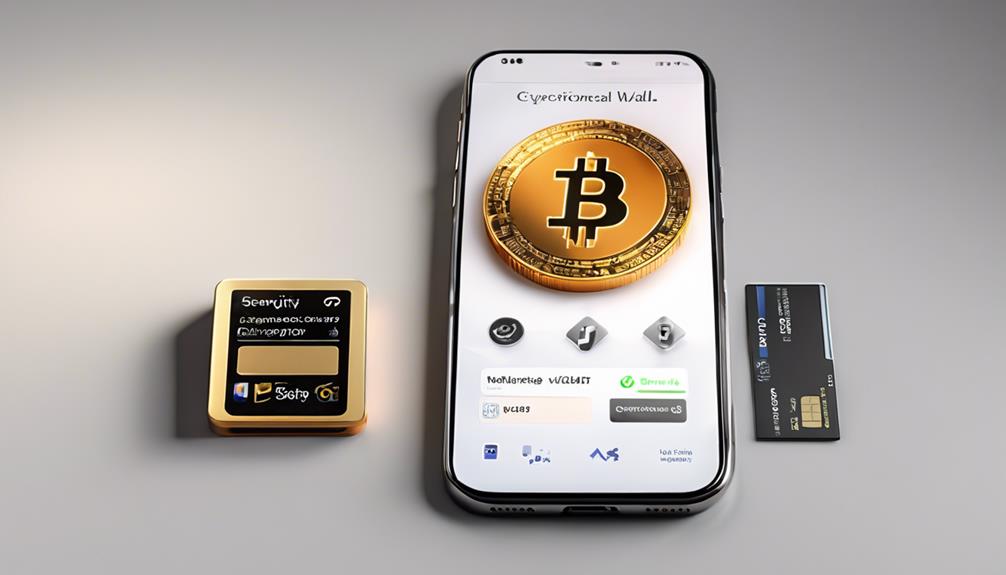
Enabling two-factor authentication (2FA) significantly increases the security of your cryptocurrency accounts. By adding an extra layer of protection, you're not just relying on a username and password. Instead, you'll also need a second form of verification, typically a code sent to your mobile device or generated by an app. This means even if someone gets your password, they can't access your funds without also having your phone.
You'll find most crypto exchanges and wallets support 2FA. It's vital to activate it whenever possible. You can usually set it up in the security settings of your account. Options might include SMS messages, email codes, or authentication apps like Google Authenticator or Authy.
Apps are generally safer than SMS, as they're less vulnerable to SIM swap attacks—a tactic where attackers transfer your phone number to their device to intercept SMS codes.
Regularly Updating Software
After setting up two-factor authentication, don't overlook the importance of keeping your software up to date. Updating your wallet software, operating system, and any security programs you use is crucial in protecting your cryptocurrencies from theft and cyber-attacks.
When developers release updates, they're often patching security vulnerabilities. If you're not updating regularly, you're leaving a door wide open for hackers. They're always on the lookout for systems with outdated security features, which are much easier to breach. So, make sure you're prompt with your updates; it's one of the simplest, yet most effective, ways to safeguard your assets.
Moreover, many updates enhance the functionality of your software, improving transaction speed and user experience. Staying updated means you're also accessing the latest features that can make managing your cryptocurrencies more efficient and secure.
To keep track, set your systems to update automatically wherever possible. This way, you won't have to remember to manually check for updates. Also, subscribing to the newsletters of your software providers can keep you informed about new security patches or important upgrades that need your attention.
Stay vigilant, stay updated, and your digital currency will remain secure.
Using Strong, Unique Passwords

Your wallet's security hinges on the strength and uniqueness of its password. This can't be overstated. A weak password could be your downfall, even with other security measures in place. You've got to ensure it's not only strong but also unique to each cryptocurrency wallet you use.
What makes a strong password? It should be a long mix of letters, numbers, and symbols. Avoid common words or easy-to-guess sequences. The longer and more complex, the better.
It's also wise to avoid using personal information that someone could easily research or guess, like birthdays or pet names.
You might think it's a hassle to remember such complex passwords, but it's less trouble than recovering stolen crypto. Consider using a reputable password manager to keep track of your passwords. These tools can also generate strong passwords for you, removing much of the risk of human error.
Diversifying Storage Methods
Diversifying your storage methods is essential for maximizing the security of your cryptocurrencies. Don't put all your digital assets in one type of wallet or one physical location. By spreading your investments across multiple storage solutions, you'll reduce risk significantly.
You've got several options to consider. Hardware wallets, like Ledger or Trezor, offer robust security by keeping your private keys offline and protected from online threats. Meanwhile, software wallets provide convenient access from your computer or smartphone but remember, they're generally less secure than hardware options.
It's also wise to look into paper wallets, which involve printing your public and private keys on paper. They're completely offline and secure from cyber threats, but you must manage them carefully to prevent physical damage or loss.
Combining these methods can provide a balanced approach. For instance, you might keep a small amount of currency in a software wallet for daily transactions, a larger sum in a hardware wallet for long-term holding, and some in a paper wallet as an additional backup.
Implementing Secure Backup Solutions
While exploring various storage options provides a solid foundation, securing your digital assets doesn't end there; implementing secure backup solutions is equally important. You've got to consider the best ways to protect your backups from both physical damage and digital threats.
Start by creating multiple copies of your wallet's private keys or seed phrases. Store these in different locations to minimize the risk of loss due to natural disasters, theft, or other mishaps. You might keep one backup in a safe at home and another in a bank safety deposit box.
Use durable media for physical backups. Paper can degrade or burn, so consider using metal plates that are resistant to fire and water.
For digital backups, encrypt the data to safeguard it from unauthorized access. Ensure you use strong, unique passwords for encryption.
Regularly update your backups whenever you create new addresses or when a wallet software updates. This ensures you can recover all your assets with the most recent data.
Recognizing Phishing Scams
Be wary of phishing scams—sophisticated frauds aiming to steal your cryptocurrency by tricking you into revealing sensitive information. Phishing attempts often come disguised as urgent emails or messages from what seems to be a trusted source, like your crypto wallet provider or exchange. They'll prompt you to click on a link that leads to a malicious website mimicking the real one.
Always double-check the sender's email address for any discrepancies. Official communications won't come from public email services like Gmail or Yahoo. They'll typically use their domain names. Don't click on links in unsolicited emails. Instead, directly type the URL of your service provider into your browser.
Look out for messages filled with grammatical errors and urgent requests for action, such as "Verify your account now or it will be closed!" These are red flags. Legitimate companies won't rush you or threaten immediate account closure.
Enable two-factor authentication (2FA) on all your accounts to add an extra layer of security. Even if a scammer gets your password, they won't easily access your account without the second verification step.
Conclusion
You've explored top security methods for your cryptocurrencies, from hardware wallets to cold storage. Remember, using multi-signature addresses and enabling two-factor authentication significantly boosts your safety. Always use strong, unique passwords and diversify your storage strategies. Don't forget to implement secure backups and stay alert for phishing scams. By following these steps, you'll greatly enhance the security of your digital assets. Stay vigilant and proactive in protecting your cryptocurrencies to ensure their safety.