7 Top Tips for Secure Cryptocurrency Storage
When you're looking to secure your cryptocurrency, the choices you make can either protect your investment or leave it vulnerable to theft. Selecting a hardware wallet that offers robust security features is your first line of defense. You might be using strong passwords, but are you updating them regularly and employing two-factor authentication with secure methods? If you're unsure about how to implement these strategies or why they're essential, consider what might happen if your digital assets suddenly fell into the wrong hands. Let's explore these critical steps to ensure your cryptocurrency remains secure and under your control.
Choose Hardware Wallets Wisely
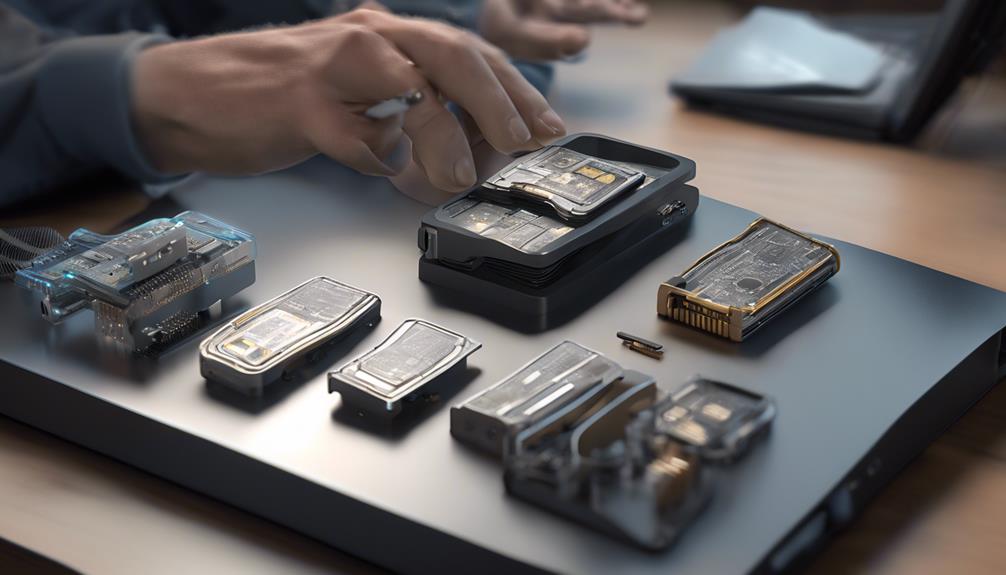
When selecting a hardware wallet for your cryptocurrency, prioritize security features and company reputation. You want a wallet that's not just tough on the outside, but smart on the inside.
Look for hardware that supports multi-signature transactions, which require multiple keys to authorize a single transaction. This reduces the risk of theft, as a hacker would need to compromise several keys to access your funds.
Ensure the wallet you choose undergoes regular, transparent security audits. Companies that share their audit results demonstrate commitment to security and transparency. You'll be more at ease knowing that experts regularly scrutinize the wallet's defenses against new threats.
Consider the physical durability of the wallet as well. It should be resistant to physical damage from elements like water, fire, and extreme temperatures. Some wallets offer additional security features such as biometric authentication, which uses your fingerprint to unlock your assets.
Lastly, check for a responsive and helpful customer support. Should you run into any issues, you'll want assurance that you can get prompt and effective help. Remember, the ideal hardware wallet balances advanced security features with user-friendliness and robust customer support. Choose wisely to keep your crypto safe.
Utilize Strong, Unique Passwords
Security starts with the strength of your password. When you're setting up wallets for your cryptocurrency, it's crucial to create passwords that are both strong and unique. This means avoiding obvious choices like birthdays, anniversaries, or sequential numbers. Instead, aim for a mix of letters, numbers, and symbols, and make sure your password is at least 12 characters long. The more complex, the better your defense against potential hacks.
Don't reuse passwords across different sites or accounts. If a hacker cracks one password, they shouldn't be able to access all your other accounts with the same credentials. Consider using a password manager to keep track of your various passwords, especially since they can generate and store complex passwords for you.
Also, you should change your passwords regularly. This might seem tedious, but it's a proactive measure to secure your digital assets. If you suspect any security breach, changing your password should be your first step.
Enable Two-Factor Authentication
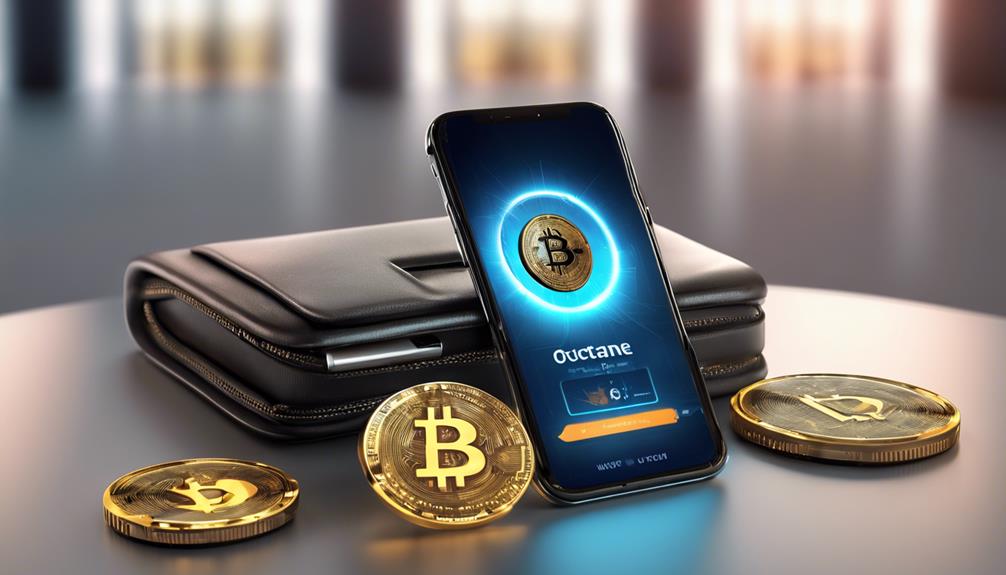
Enhancing your wallet's security layers is crucial; therefore, enabling two-factor authentication (2FA) is essential. 2FA adds an extra verification step to your basic login procedure. When you activate 2FA, you'll need not only your password but also a second factor—usually a code sent to your mobile device or generated by an authenticator app. This means if someone steals your password, they can't access your account without also having your phone or access to your authentication app.
Choosing the right 2FA method is vital. SMS-based 2FA, while better than no 2FA, can be vulnerable to interception or SIM swap attacks.
A more secure alternative is an authenticator app like Google Authenticator or Authy, which generates time-sensitive codes that aren't transmitted over the network.
You should also consider using hardware tokens as your second factor, which are physical devices that generate codes or use biometrics. They're immune to many of the vulnerabilities that affect digital 2FA methods.
Keep Software Up-to-Date
Staying vigilant about updating your wallet's software ensures you're protected against the latest threats. Developers regularly release updates to patch vulnerabilities, which, if exploited, could compromise your funds. By keeping your software current, you're not just maintaining security; you're also enhancing the wallet's functionality and ensuring compatibility with new technologies and standards in the crypto space.
You should also consider the source of your updates. Always download updates directly from the official website or verified app stores. This reduces the risk of installing malicious software disguised as a legitimate update. It's easy to overlook this in the rush to stay current, but taking a moment to verify can save you from potential disasters.
Moreover, setting up automatic updates can be a lifesaver. It removes the burden of having to manually check for updates and ensures you don't fall behind on critical security patches.
However, it's wise to be aware of what each update includes. Take a few minutes to read the update notes; they often provide important information about enhancements and fixed vulnerabilities.
Use Multi-Signature Addresses
Why not enhance your wallet's security with multi-signature addresses? Multi-signature, often shortened to multisig, requires multiple keys to authorize a single cryptocurrency transaction, making unauthorized access significantly harder. You're not just relying on one key, which can be a single point of failure.
Let's say you've chosen a 2-of-3 multisig setup. You'd need any two out of three possible keys to complete a transaction. This approach isn't just about preventing external threats; it also reduces the risks of internal mishaps.
Imagine you lose one of your keys or one gets stolen; the remaining keys still secure your assets because the thief would need another key to access your funds.
Multisig also facilitates shared control among different parties. It's perfect if you're managing joint funds with partners or in a small company. Each party holds a key, and transactions require consensus, aligning with democratic values and accountability.
Setting up a multisig wallet might seem daunting, but it's a straightforward process with most reputable crypto wallets. They guide you step-by-step, ensuring you don't miss out on this robust security layer. Don't overlook multisig; it's a smart strategy to safeguard your digital coins against various threats.
Backup Your Wallet Regularly
Regular backups of your cryptocurrency wallet are crucial to safeguard your digital assets from unexpected data loss or corruption. Whether it's hardware failure, software issues, or accidental deletion, keeping an updated copy of your wallet can be a lifesaver. You might think it's a tedious task, but it's a small effort compared to losing your investments.
You should back up your wallet after every transaction, or at a minimum, weekly. This way, you'll ensure that your backup is as current as possible.
Remember to store backups in multiple locations. If you're using a digital format, consider using cloud storage, USB drives, or even external hard drives. However, don't just rely on one type; diversify your storage methods to minimize risk.
Also, it's smart to use encryption for your backup files. This adds an extra layer of security, ensuring that even if someone gets access to your backup, they won't be able to use it without the encryption key. Keep this key secure and separate from where you store the backups.
Be Wary of Phishing Attacks

Amid the rise of digital currency, it's crucial to be vigilant against phishing attacks. These scams are cleverly designed to trick you into giving away your sensitive information, like private keys or login credentials. Scammers often disguise themselves as trustworthy entities, sending emails or texts that seem legitimate. They might urge you to click on a link that leads to a fake website mimicking a real crypto exchange or wallet service.
Don't be fooled. Always verify the source before clicking on any links. Double-check the URL to ensure it's the genuine website and not a slightly altered fake. If an email insists on immediate action, be extra cautious. Legitimate organizations won't pressure you to make quick decisions that could compromise your security.
Also, consider setting up multi-factor authentication on all your accounts. This adds an extra layer of security, making it harder for hackers to gain access even if they manage to get your password.
Lastly, educate yourself about the latest phishing techniques. The more informed you are, the less likely you'll fall prey to these cunning attacks. Stay safe by staying informed and always questioning the legitimacy of unsolicited communications.
Conclusion
You've got the tools to keep your cryptocurrencies safe. Choose your hardware wallet carefully, always use strong, unique passwords, and don't skip on two-factor authentication. Make sure your software is up-to-date, and consider multi-signature addresses for extra security. Regularly back up your wallet and stay alert for phishing scams. By sticking to these practices, you'll significantly boost the security of your digital assets. Stay vigilant and your crypto will remain secure!