Assessing Cryptocurrency Mining’s Impact on Energy Usage
You've likely heard about the staggering amounts of energy cryptocurrency mining consumes, but have you ever considered how this impacts our planet? As you explore the balance between technological advancement and environmental sustainability, remember that the answers aren't just about gigawatts or carbon footprints. They touch on broader issues like renewable energy adoption and regulatory responses, shaping not only the future of finance but also of global energy policies. This discussion invites you to ponder a pressing question: can the industry pivot quickly enough to align with global sustainability goals? Let's explore the intricate dance of innovation and conservation.
The Basics of Bitcoin Mining

Bitcoin mining, a process crucial to the function and security of the Bitcoin network, involves verifying and adding transaction records to the public ledger known as the blockchain. As you delve deeper, you'll learn that this operation is performed by miners, who use powerful computers to solve complex mathematical problems. When these problems are solved, a new block is added to the blockchain and the miner is rewarded with bitcoins.
This process isn't just about creating new bitcoins; it also plays a vital role in maintaining the network's safety. Each transaction within a block is thoroughly checked to prevent issues like double-spending. Therefore, mining secures the network by ensuring a high level of trust and security in the blockchain.
You might wonder about the skills and equipment needed for mining. Initially, it was possible to mine with simple home computers. However, as bitcoin gained value and popularity, mining has become more competitive.
Nowadays, you need specialized hardware called ASICs (Application-Specific Integrated Circuits), designed specifically for mining bitcoin. This shift has made mining an activity predominantly for serious players who are willing to invest in expensive equipment and the technical knowledge required to maintain efficiency and profitability.
Global Energy Demands of Mining
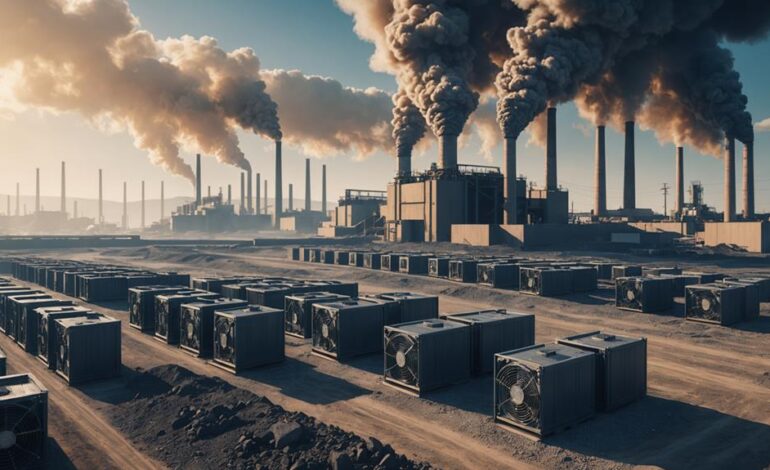
Over the years, the energy demands of cryptocurrency mining have surged as the complexity of the computational tasks increases. You've probably heard that mining isn't just a demanding process, it's also heavily power-driven. Worldwide, the consumption figures are staggering, with estimates showing that the Bitcoin network alone consumes more electricity annually than many countries.
This rising energy requirement is due to the need for more powerful, and thus more electricity-intensive, hardware to solve increasingly difficult cryptographic puzzles. You're looking at a process where miners are continuously upgrading their rigs, chasing not only profits but also greater efficiency in a competitive market.
The problem is, as the network grows, so does its energy consumption.
Now, consider the global spread of mining operations. They're not just clustered in one region but are scattered across continents. While this decentralization secures the network, it also multiplies the overall energy footprint. Each new setup adds to the total consumption, pushing the figures higher every year.
As you delve deeper into the world of cryptocurrency, you'll see that the quest for digital gold has real-world implications, reshaping how you think about energy consumption in the digital age.
Renewable Energy in Cryptomining
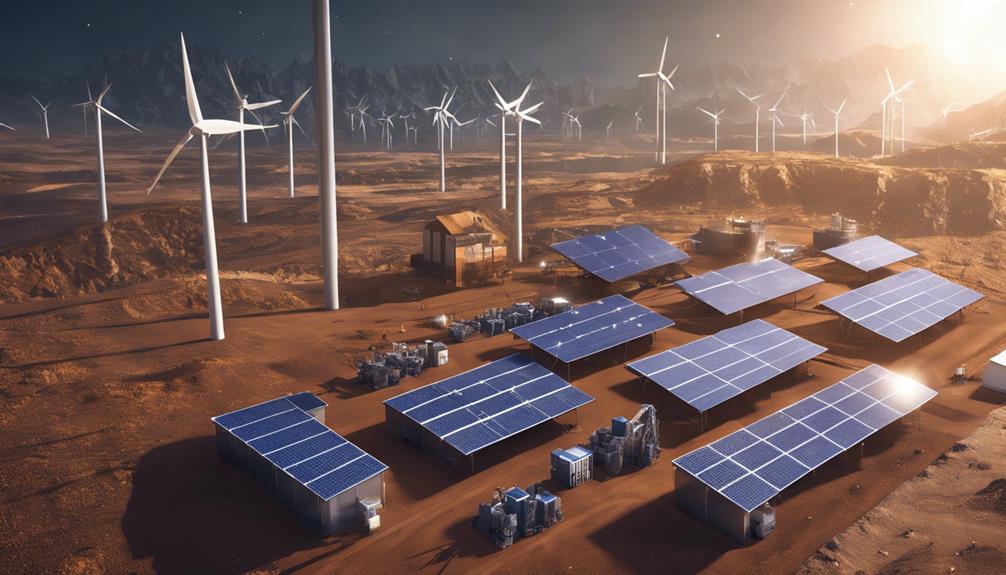
As the environmental toll of traditional cryptocurrency mining becomes more apparent, there's a growing shift towards renewable energy sources. You're at the forefront of this change, exploring how solar, wind, and hydroelectric power can sustainably fuel mining operations. This isn't just about alleviating the strain on the planet; it's also about paving the way for a more economically viable future in the mining sector.
Renewable energy, with its decreasing cost and increasing availability, offers you a compelling alternative to conventional power sources. By integrating renewables, you're not only reducing the carbon footprint associated with mining but also enhancing the stability of mining operations against fluctuating fossil fuel prices. Solar panels and wind turbines can be particularly effective in remote or rural areas where connecting to the grid is costly or impractical.
Moreover, the adoption of green energy can improve the public perception of cryptocurrency mining. As you incorporate more renewable sources, you're likely to gain support from environmental groups and perhaps more favorable attention from regulators who are keen on reducing the industry's environmental impact. This strategic shift isn't just good for the earth—it's smart business.
Regional Impacts and Regulations
Typically, regional impacts of cryptocurrency mining vary widely, depending on local energy sources, regulatory environments, and economic conditions. In regions rich in renewable resources like hydroelectric power, you'll find mining operations thriving with relatively low environmental footprints. Contrast this with areas where coal or oil dominate, and you'll see a starkly different picture—a high carbon footprint and potential strain on local power grids.
You might wonder how governments are responding. Well, it's a mixed bag. Some countries, recognizing the economic potential, have rolled out the red carpet with tax incentives and minimal regulations. Others, concerned about environmental impacts and grid stability, have imposed strict controls or outright bans.
For example, in places like upstate New York, local authorities have implemented moratoriums on new mining operations to evaluate long-term effects on the community and power supplies.
Meanwhile, Nordic countries leverage their abundant hydropower to attract miners, but also enforce rigorous environmental standards to keep their green image intact.
Navigating this landscape, you'd need to keep a keen eye on both current regulations and how local community sentiment might shape future rules. It's a delicate balance, managing economic benefits against environmental and infrastructural impacts.
Future Trends in Mining Sustainability
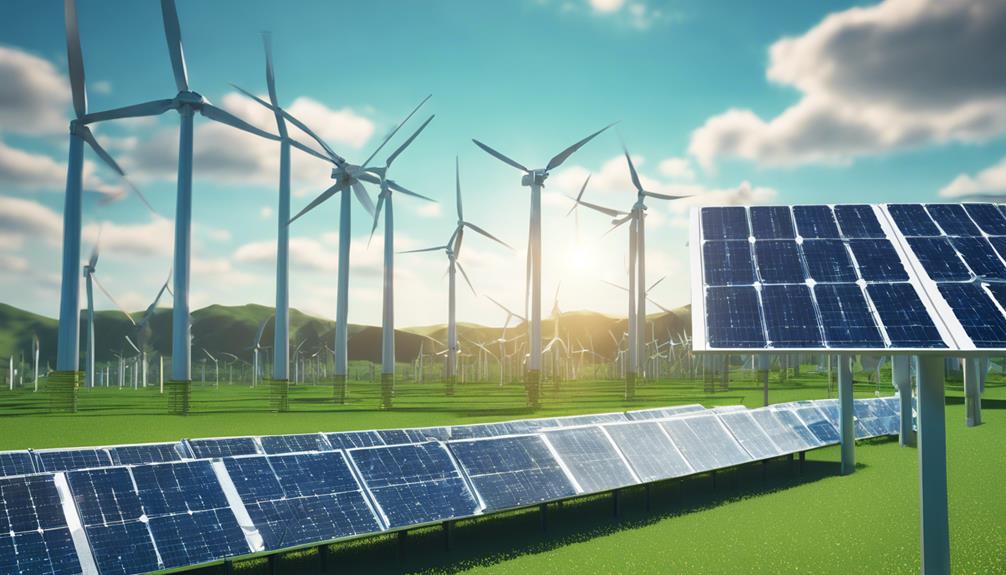
While the past has shown a varied landscape of cryptocurrency mining practices, the future may hold more promising advancements toward sustainability. As you move forward, you'll likely see a shift towards greener mining technologies. Innovations such as the use of renewable energy sources—solar, wind, and hydroelectric power—are becoming more feasible and economically viable.
You'll also encounter more widespread adoption of energy-efficient mining hardware, which could significantly reduce the overall energy consumption of mining operations.
Moreover, you can expect an increase in the development of regulations that encourage sustainable mining practices. Governments and international bodies might introduce incentives for miners who adopt eco-friendly technologies, or perhaps implement stricter guidelines that penalize the use of fossil fuels in mining operations.
You should also keep an eye on the growth of mining pools committed to sustainability. These pools could leverage collective resources to invest in renewable energy projects, thereby reducing their carbon footprint and setting a new standard in the industry.
In essence, the future of cryptocurrency mining appears to be pivoting towards a more sustainable and environmentally conscious direction. You'll play a part in this shift as you make decisions about how and where to invest in cryptocurrency operations. The choices made today will shape the sustainability of mining tomorrow.
Conclusion
You've seen how Bitcoin mining demands vast amounts of energy, raising significant environmental concerns. Fortunately, there's a shift towards renewable energy sources in the cryptomining industry. Regulations vary widely by region, influencing how sustainably mining operates globally. Moving forward, you'll likely witness more innovative and eco-friendly practices emerging in mining. These changes are crucial for reducing the environmental footprint of cryptocurrencies and ensuring their sustainability as they continue to evolve.