Quiz: Test Your Knowledge on Crypto Mining Energy

You've likely heard about the immense energy consumption associated with crypto mining, but do you know just how extensive it is? This quiz will challenge your understanding of the energy demands of cryptocurrency mining, the strides toward sustainability, and the global impact of these practices. By testing your knowledge, you'll gain a clearer picture of how this technology fits into the broader energy landscape. Are you ready to assess how much you really know about the energy expenditure behind the digital currencies that are reshaping our financial systems? Let's find out where you stand.
Overview of Crypto Mining
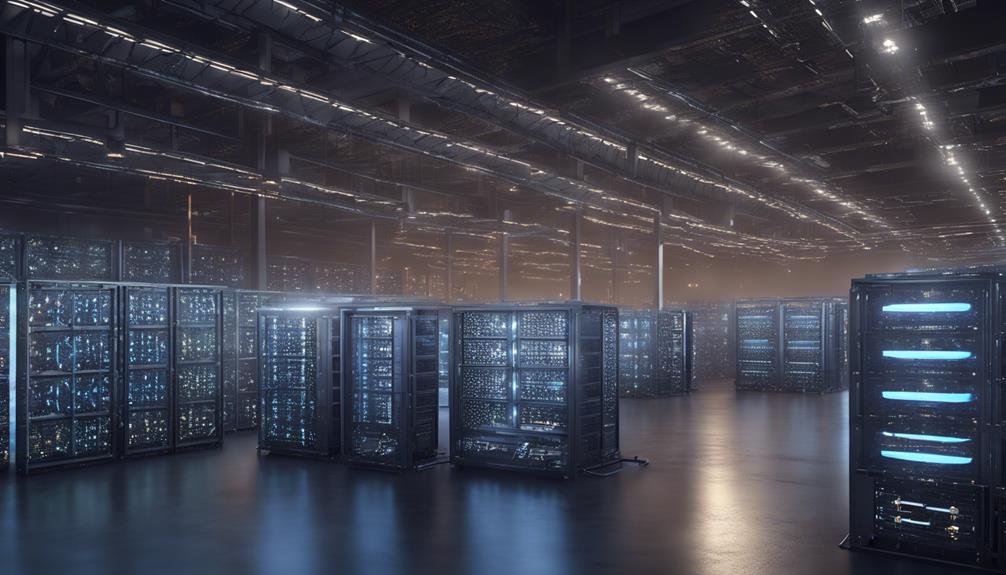
Crypto mining harnesses complex computer algorithms to validate and secure blockchain transactions. As you delve into the world of cryptocurrencies, you'll discover that mining is fundamental to maintaining the integrity and functionality of any blockchain network. It involves solving cryptographic puzzles that, in turn, add new blocks to the blockchain.
What you're actually doing when you mine is competing with other miners to guess a number that the blockchain network is looking for. If your guess is correct, you get to update the blockchain with the transactions of the past period and, as a reward, you earn some of the cryptocurrency. This reward not only compensates miners for their computational services but also methodically introduces new coins into the circulating supply.
This process requires a relentless operation of computers and other specialized hardware. The difficulty of these puzzles adjusts automatically to ensure that a new block is added approximately every ten minutes, irrespective of how many miners are participating. This keeps the blockchain's growth stable and secure.
Key Energy Consumption Facts
While mining is integral to cryptocurrency networks, it also demands significant energy resources. You've probably heard that Bitcoin mining consumes more electricity annually than entire countries. But what does that really mean for you and the environment?
Each Bitcoin transaction requires the same amount of energy that could power a U.S. household for about a month. You're not just sending digital money; you're also firing up a power plant for days.
And it's not just Bitcoin; other cryptocurrencies like Ethereum and Litecoin also consume large amounts of power though their mechanisms slightly differ.
You might wonder where all this power comes from. Mostly, crypto mines are located where electricity is cheapest, which often means relying on non-renewable sources like coal and natural gas. This has spurred a significant environmental debate about the sustainability of cryptocurrencies.
Efforts are underway to reduce this footprint. Ethereum, for instance, is transitioning to a proof-of-stake model, which could cut its energy use by over 99%. As a participant or investor, you're part of this ecosystem. It's crucial to stay informed about these changes, as they not only impact the environment but also the very fabric of the crypto economy.
Historical Data on Energy Use

Digging into the historical data on energy use for cryptocurrency mining reveals a startling upward trend. As you explore the numbers, you'll notice that from the early 2010s, when cryptocurrencies like Bitcoin first gained some traction, the energy consumption was relatively minor. However, as the popularity of digital currencies soared, so did the energy demand.
In the mid-2010s, the situation started to escalate noticeably. The introduction of more sophisticated mining technologies and the increasing difficulty of mining algorithms meant that the energy required to mine effectively surged.
By 2018, reports indicated that the global energy consumption for mining Bitcoin alone was comparable to the annual energy usage of some smaller countries.
This continuous rise has been driven by both the increasing miner competition and the introduction of more energy-intensive mining hardware. The trend shows no signs of plateauing, largely due to the persistent demand for cryptocurrencies and the lucrative nature of mining. You're now looking at an industry that not only demands vast amounts of energy but also continually seeks technological advancements to sustain its growth. Keep this historical perspective in mind as you think about the broader implications of crypto mining's energy consumption.
Comparing Traditional Vs. Crypto Mining
Often, discussions about mining focus solely on cryptocurrencies, but it's important to understand how these methods compare to traditional mining operations. Traditional mining extracts physical resources like coal, gold, or diamonds from the earth, requiring heavy machinery, substantial human labor, and large-scale environmental disturbance. You've seen images of vast open-pit mines or deep underground shafts that are visually impactful.
Crypto mining, on the other hand, involves validating transactions and securing a blockchain network through computational power. It's less about physical excavation and more about solving complex mathematical problems. This process requires high-powered computers, specialized software, and a significant amount of electricity, but it doesn't disrupt the land or create the same level of direct environmental degradation.
However, don't let the digital nature fool you into thinking it's 'clean.' The energy demand to power crypto mining operations can be enormous, leading to substantial carbon emissions depending on the energy sources used.
Both types of mining have their drawbacks and impacts, mainly centered around energy consumption and environmental sustainability. As you weigh the pros and cons, it's crucial to consider not just the immediate outputs but also the long-term environmental costs.
Major Crypto Mining Countries

Several countries lead the way in crypto mining, leveraging their resources to dominate this digital industry. You might be surprised to learn that China has historically been the giant in this arena, although recent regulations have shifted the landscape. This country's access to cheap hardware and electricity once enabled it to control a significant portion of the global hash rate.
Moving west, the United States has rapidly ascended as a powerhouse in crypto mining. States like Texas attract miners with lower energy costs and a deregulated power grid, making it an ideal locale for large-scale operations.
You'll find that the U.S. isn't just about size; it's also about innovation in the field.
Don't overlook Canada. Its cold climate is a natural boon for miners, helping to cool down the intensely heated equipment used in mining operations. This reduces cooling costs, which can be a hefty expense in other regions.
Kazakhstan and Russia also play key roles, offering vast territories, rich in energy resources, which are essential for powering up extensive mining farms. As you delve deeper into crypto mining, you'll see how geopolitical and economic factors shape the global mining map.
Renewable Energy in Crypto Mining
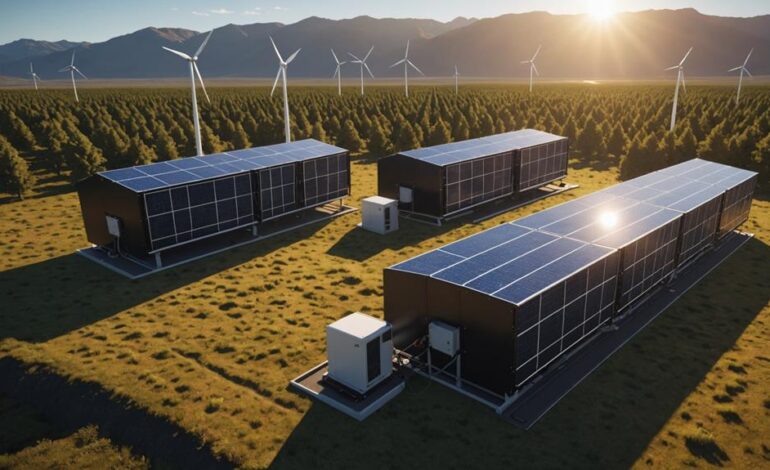
Sustainability has become a critical aspect of crypto mining as the industry grapples with its environmental impact. You're probably aware that traditional mining operations consume massive amounts of electricity, often sourced from fossil fuels. However, there's a growing shift towards renewable energy sources, which could significantly decrease the carbon footprint associated with your digital transactions.
Renewable energy, including solar, wind, and hydroelectric power, offers a cleaner alternative that aligns with global sustainability goals. You might find it interesting that some regions rich in renewable resources are becoming hotspots for mining operations. They're not just reducing emissions; they're tapping into the abundance of renewable power to drive down operational costs.
As you delve deeper, you'll discover companies that are integrating cutting-edge technologies to improve energy efficiency further. These innovations aren't just good for the planet; they enhance profitability by lowering power consumption. This shift is crucial as it highlights the crypto industry's potential to lead in green technology adoption.
Impact of Mining on Electricity Prices

Crypto mining's surge in demand for electricity can significantly influence local and national energy prices. As you delve deeper into the world of cryptocurrency, you'll find that mining operations, large and small, pull substantial amounts of power from the grid. This increased demand can lead to higher electricity costs for other consumers and businesses, especially in areas where power resources are already strained.
Consider regions like upstate New York or parts of Canada, where hydroelectric power is abundant yet finite. Here, local communities have experienced spikes in their electric bills as miners tap into these energy sources.
You might wonder how this affects you personally. If you're living near a large mining operation, you could see your household electricity costs increase as local utilities adjust rates to manage demand.
Moreover, the influx of mining operations can strain local infrastructure, leading to more frequent maintenance and upgrades that utility companies may pass on as costs to consumers. This isn't just about higher bills—it's about the sustainability of your local energy supply.
As a crypto enthusiast or someone curious about entering the mining space, it's crucial to understand these dynamics. They not only affect your wallet but also influence the economic landscape of the communities involved.
Future Trends in Mining Efficiency
As the crypto mining industry evolves, there's a growing focus on improving energy efficiency. You've likely noticed the surge in energy usage linked to mining, but what's next? The trend is clearly pointing towards more sustainable practices.
You'll see more miners switching to renewable energy sources. Solar, wind, and hydroelectric power are becoming popular choices, as they significantly reduce the carbon footprint of mining operations. This shift isn't just good for the planet; it's also economically sensible as renewable energy costs continue to drop.
Advancements in hardware are also on the horizon. Expect to see new, energy-efficient ASICs and GPUs that offer greater hash rates while using less power. These innovations mean you can mine more effectively without hiking up your energy bill.
Moreover, the development of mining software isn't lagging behind. Enhanced algorithms that optimize the mining process are in the works. These will allow you to maximize your mining efforts, ensuring you're not wasting energy.
Lastly, don't overlook the role of community-driven initiatives. Cooperative mining pools and shared resources can lead to more efficient use of energy, reducing the overall environmental impact of your mining activities.
How Regulations Affect Energy Use
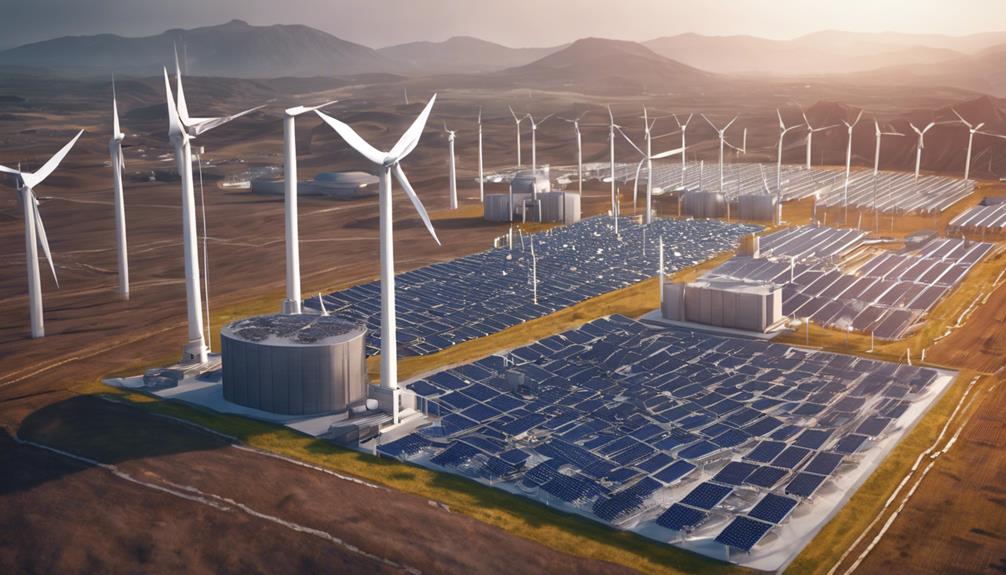
With regulations tightening, your ability to mine cryptocurrency must now adapt to new legal standards that directly impact energy consumption. Governments worldwide are setting stricter rules to manage the environmental footprint of crypto mining. This means you've got to be more mindful about how much power you're using and where it comes from.
In countries like China and the U.S., new laws require miners to use greener energy sources. You might need to invest in renewable energy setups, like solar or wind power, to comply and keep your operations running.
This shift isn't just about following the law—it's also about reducing your costs in the long run, as renewable energy often becomes cheaper than traditional power sources.
Moreover, some regions now impose taxes or fees on mining activities based on the amount of energy consumed. Keeping your energy use down could save you money on these new financial burdens.
You'll also need to stay updated with local regulations, as they can vary significantly and change quickly. Adapting swiftly and efficiently is crucial, or you risk falling behind in this competitive field.
Conclusion
You've now explored the energy demands of crypto mining and its global impact. You've seen how traditional mining stacks up against crypto mining, identified the leading countries in the mining sector, and learned about the shift towards renewable energy. Understanding the effects on electricity prices and upcoming trends in mining efficiency is crucial. With regulations shaping energy use, staying knowledgeable helps you grasp the balance between technological advancement and environmental responsibility in the evolving world of cryptocurrency mining.