Exploring Crypto Mining’s Impact on Energy Usage

As you dive into the world of cryptocurrency, it's crucial to consider how crypto mining influences global energy consumption. While it offers unparalleled opportunities for decentralization and security, the environmental cost cannot be overlooked. The process demands immense amounts of electricity, often sourced from non-renewable resources, raising concerns about sustainability and carbon footprints. How can the crypto industry reconcile its rapid growth with the urgent need for reduced environmental impact? This tension between innovation and conservation poses a fascinating challenge. Exploring potential solutions and their implications might just change your perspective on the future of blockchain technology.
Understanding Crypto Mining

Crypto mining powers the creation and transaction of digital currencies like Bitcoin. When you mine cryptocurrency, you're essentially solving complex mathematical puzzles using powerful computers. These puzzles verify transactions, which are then added to the blockchain, a public ledger. Successful miners receive new cryptocurrency as a reward, but the process demands significant computational power and energy.
You might wonder how this actually works. Well, imagine thousands of computers racing to solve a puzzle. The first to solve it updates the blockchain and earns some crypto. This competition necessitates continuous, intense computational effort.
Mining can be done in various ways. Initially, it was possible to mine with simple home computers. However, as cryptocurrencies grew in popularity, the difficulty of these puzzles increased. Now, mining often requires specialized hardware, including Graphics Processing Units (GPUs) and Application-Specific Integrated Circuits (ASICs). These devices are designed to handle the massive demands of mining but consume a lot of electricity.
Global Energy Consumption Trends
In light of the energy-intensive demands of crypto mining, it's crucial to examine broader global energy consumption trends. You've likely noticed the world's growing appetite for energy, driven not only by population growth but also by advancements in technology and increasing industrial demands. This surge affects how nations approach energy production and consumption, striving for sustainability while balancing economic growth.
You're witnessing a significant shift towards renewable energy sources. Countries around the globe are tapping into solar, wind, and hydroelectric power more than ever before. This shift helps reduce reliance on traditional, non-renewable sources like coal and oil, which have dominated for centuries.
It's not just about environmental benefits; it's also economically motivated. Renewable energy technologies are becoming cheaper and more efficient, encouraging their adoption.
However, it's important to understand that the transition isn't uniform. While some countries rapidly integrate renewables, others lag due to economic constraints or geopolitical challenges. This disparity creates a complex global energy landscape that you must navigate.
It's essential to keep an eye on how these trends evolve, as they play a critical role in shaping not just the future of energy consumption but also the overall sustainability of our planet.
Crypto Mining Versus Traditional Industries
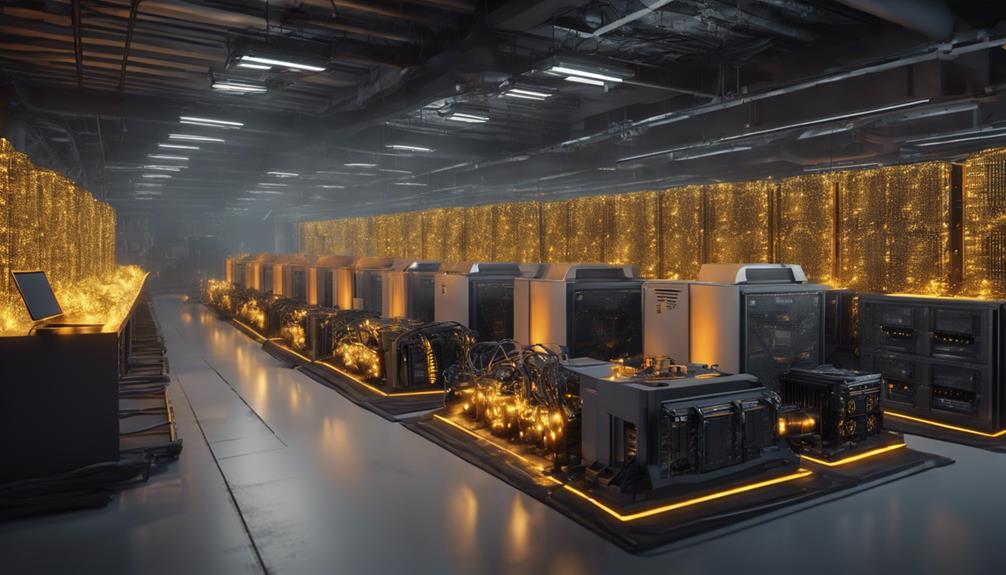
Addressing the energy demands of crypto mining reveals stark contrasts when compared to traditional industries like manufacturing and agriculture. You'll find that while industries such as steel production and food processing are energy-intensive, their consumption patterns are generally stable and predictable.
In contrast, crypto mining's energy use isn't only high but also volatile, fluctuating with the currency's market price and mining technology's efficiency.
You might wonder how this compares in real numbers. Traditional manufacturing processes, although substantial in their energy draw, often benefit from years of optimization and regulatory standards that aim to curb excessive energy use.
On the other hand, crypto mining, especially in regions with lax regulations, can operate with significant energy inefficiencies.
Moreover, the transparency in energy usage is markedly different. Industries like manufacturing often report their energy consumption, driven by corporate social responsibility and regulatory requirements.
Crypto mining operations, however, aren't always as forthcoming, which can make it tricky for you to assess their true environmental impact.
Regional Energy Impact Analysis
Exploring the regional impacts of energy consumption by crypto mining activities reveals significant disparities across different areas. You'll find that in regions rich in fossil fuels, like parts of the United States and Russia, crypto mining often leans heavily on these resources. This reliance exacerbates local environmental concerns, including air pollution and higher greenhouse gas emissions.
Conversely, areas with stricter environmental regulations or limited fossil fuel resources face different challenges. For instance, in some European countries, the high cost and limited availability of energy can restrict the scale and profitability of mining operations.
You should also consider the economic implications of these energy demands. In regions where energy is cheaper and more plentiful, there's a significant economic incentive to establish and expand crypto mining farms. This can lead to a localized economic boom, creating jobs and boosting local businesses. However, it's not always a rosy picture. In areas where energy isn't as accessible, the high costs can deter investment, stifling potential economic benefits.
As you delve deeper into the regional nuances, you'll see that the impact of crypto mining on energy resources varies widely, influenced by local energy policies, resource availability, and economic strategies.
Renewable Energy in Crypto Mining
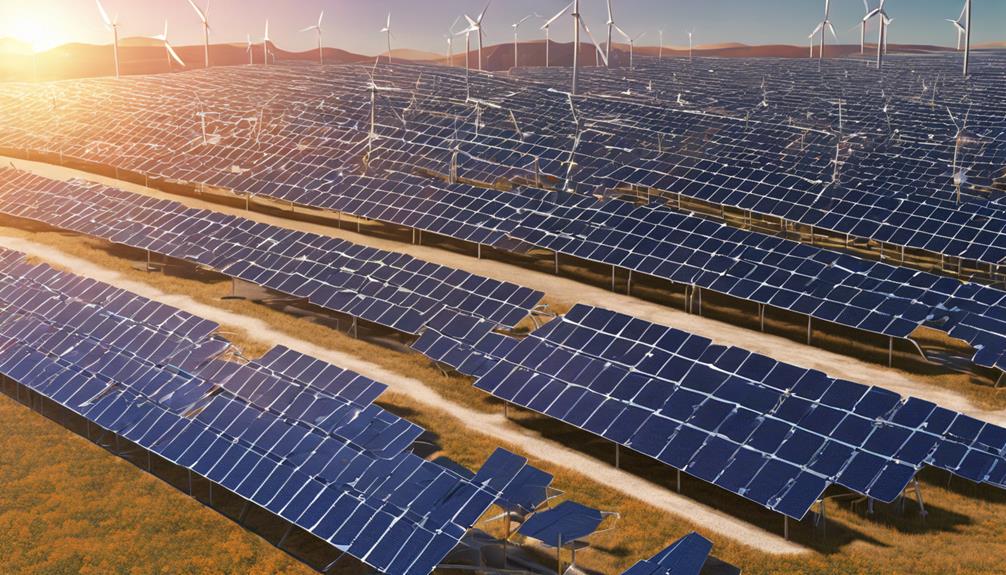
Renewable energy sources offer a promising solution to the environmental and economic challenges posed by traditional crypto mining practices. You're likely aware of how energy-intensive mining can be, consuming large amounts of electricity and often relying on fossil fuels. However, integrating renewable energy can significantly mitigate these impacts.
By shifting to solar, wind, or hydroelectric power, you not only reduce carbon emissions but also stabilize your operational costs. Renewable energy prices tend to be more predictable compared to volatile fossil fuel markets. This shift isn't just beneficial for the environment—it's a savvy business move.
Many miners are now setting up operations near renewable energy sources, capitalizing on cheaper, greener power.
Moreover, adopting renewables can enhance your company's public image. Consumers and investors are increasingly environmentally conscious, and they're more likely to support businesses that demonstrate a commitment to sustainability. By transitioning to renewable energy, you're not just future-proofing your operations against potential regulations targeting carbon footprints but also aligning with a growing global trend towards sustainability.
Energy Efficiency of Various Cryptocurrencies
While considering the energy efficiency of various cryptocurrencies, it's crucial to recognize the significant differences in their underlying technologies.
You'll find that Bitcoin, for example, uses a proof-of-work (PoW) mechanism, which is notoriously energy-intensive because it requires vast amounts of computational power to solve complex mathematical problems.
In contrast, other cryptocurrencies like Ethereum are transitioning to a proof-of-stake (PoS) model, which drastically reduces energy consumption by eliminating the need for extensive mining operations.
You should also consider newer cryptocurrencies that were designed with energy efficiency in mind from the start. Coins like Cardano and Algorand use PoS protocols, which not only minimize energy use but also offer faster transaction speeds and increased scalability. This shift highlights a growing trend of environmental consciousness within the crypto community.
Moreover, don't overlook the role of hashing algorithms. Cryptocurrencies like Litecoin, which uses a memory-intensive algorithm, can be mined with less powerful hardware, thereby conserving energy compared to Bitcoin.
It's essential to explore these nuances as you weigh the environmental impact of your crypto investments or mining activities. Understanding these factors helps you make informed decisions in a landscape that's rapidly evolving.
Regulatory Influence on Energy Usage

As you consider the environmental impacts of various cryptocurrencies, it's also important to understand how regulations can influence energy consumption. Governments around the world are stepping in to mitigate the environmental toll of crypto mining, which can be substantial.
For instance, some countries have implemented policies that require miners to use renewable energy sources. This move not only promotes a greener mining process but also reduces the overall carbon footprint of digital currency operations.
You'll find that in regions with strict environmental regulations, crypto miners are increasingly investing in renewable energy technologies. These regulations not only encourage a shift towards sustainability but also foster innovation within the sector.
On the flip side, in places where such regulatory frameworks are lax or absent, energy consumption remains alarmingly high, primarily relying on fossil fuels. This stark contrast underscores the pivotal role that regulations play in shaping the energy usage of the crypto mining industry.
Moreover, certain jurisdictions have imposed outright bans on crypto mining due to its intense energy consumption, pushing the industry to either innovate or relocate. This regulatory pressure can significantly alter the landscape of crypto mining, nudging it towards more energy-efficient practices or pushing it to regions with more lenient regulations.
Future of Crypto Mining Technologies
Looking ahead, the future of crypto mining technologies promises significant advancements that aim to address current environmental and energy consumption concerns. You'll see a shift toward more sustainable practices as the industry continues to innovate.
Renewable energy sources are becoming increasingly crucial in mining operations. Solar, wind, and hydroelectric power offer lower emissions and are becoming more economically feasible. You could soon be investing in setups powered entirely by green energy.
Moreover, the development of more energy-efficient hardware is on the horizon. Companies are designing ASICs and GPUs that consume less power per hash, reducing the overall energy footprint of mining activities. You'll benefit from these advancements as they lead to cost savings and enhanced scalability of mining operations.
Additionally, the adoption of proof-of-stake (PoS) protocols by major cryptocurrencies, like Ethereum's shift from proof-of-work (PoW), significantly cuts down on the energy required for mining. This transition not only lowers energy use but also opens up mining to more participants, decentralizing the process further. You'll likely notice a more inclusive mining environment, as lower energy costs and reduced equipment requirements enable broader participation.
Public Perception and Environmental Concerns

The future of crypto mining technologies presents promising advancements, yet public opinion remains divided due to ongoing environmental concerns. You've probably heard the debates—on one side, enthusiasts tout the potential for decentralized finance and on the other, critics highlight the staggering energy consumption of blockchain operations. It's a pivotal time for the industry as it grapples with its carbon footprint.
You might wonder how these concerns affect you. Well, if you're energy-conscious or invested in sustainable practices, the impact of crypto mining on the environment likely weighs on your decision to support or oppose digital currencies. Reports of electricity usage comparable to small countries aren't easily dismissed. Nor should they be. The pressure is mounting on developers and investors to seek greener alternatives.
As a stakeholder in global environmental health, your voice matters. Engage with platforms and projects that prioritize energy efficiency. Demand transparency about energy consumption and seek out those who use renewable sources. By doing so, you're not just investing in crypto; you're investing in a sustainable future. Remember, the power to shape this industry, quite literally, lies in your hands. Choose wisely, and encourage others to think about the long-term impacts of their digital wallet.
Conclusion
As you dive into the complexities of crypto mining, it's clear that this digital gold rush has significant energy implications. By embracing renewable energy and advancing efficient technologies, you can help steer the industry toward a more sustainable trajectory. Keep an eye on evolving regulations and public sentiment, as these will shape the future of crypto practices. Your awareness and actions are crucial in balancing technological advancements with environmental responsibility. Let's innovate responsibly as we forge ahead.