5 Key Costs of Cryptocurrency Mining Energy
You've likely heard about the lucrative allure of cryptocurrency mining, but have you considered the associated costs? From the steep electricity bills driven by 24/7 operation to the sophisticated cooling systems needed to keep hardware from overheating, the expenses stack up quickly. Factors such as your geographic location can also play a pivotal role, influencing everything from energy costs to the regulatory landscape you must navigate. Furthermore, the costs associated with maintaining and upgrading infrastructure, along with the challenges of integrating renewable energy sources, cannot be overlooked. Let's explore how these elements combine to impact the overall feasibility and sustainability of cryptocurrency mining operations. What might this mean for the future of digital currency?
Electricity Consumption Rates
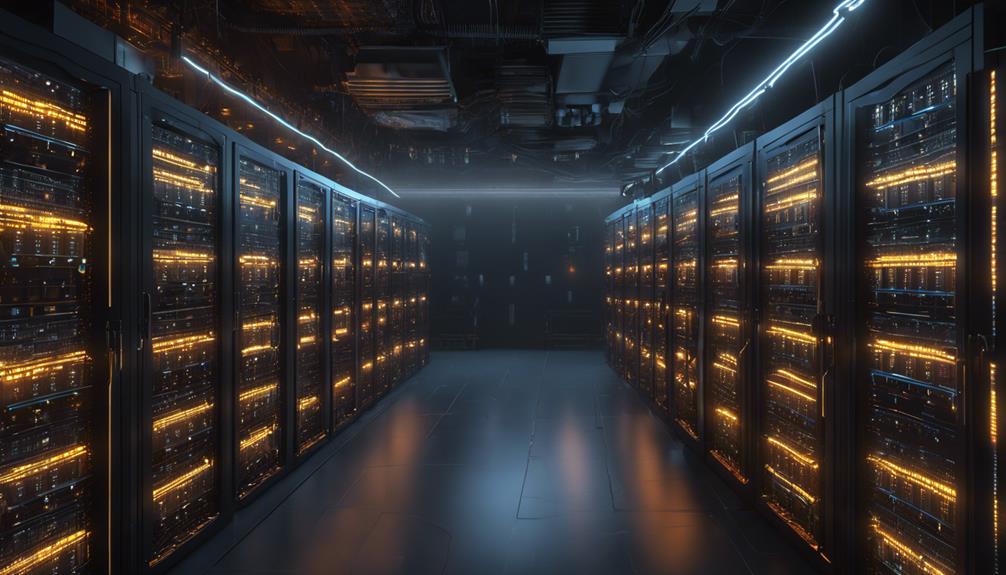
Electricity consumption rates for cryptocurrency mining have soared as the demand for digital currencies like Bitcoin continues to rise. You're facing a substantial increase in your energy bills as a result. Every time you mine, your computers solve complex mathematical problems, consuming a large amount of power. This isn't just about keeping the machines running; it's about powering them enough to compete in a high-stake race against miners around the world.
The cost isn't just financial; it's also about energy availability. In some regions, the surge in mining activity has led to power shortages, affecting both residential and commercial consumers. Local governments are starting to notice, and in places like New York, measures are being proposed to limit the operation of mining facilities to protect the local power grid.
As you delve deeper into mining, you'll also find that the type of cryptocurrency you choose affects your power usage. Bitcoin, for instance, uses a proof-of-work mechanism that's particularly energy-intensive compared to others that might use proof-of-stake. It's crucial you're aware of these choices because the environmental impact and the ongoing debate around it could shape the future regulations that will directly impact your mining activities.
Hardware Cooling Requirements
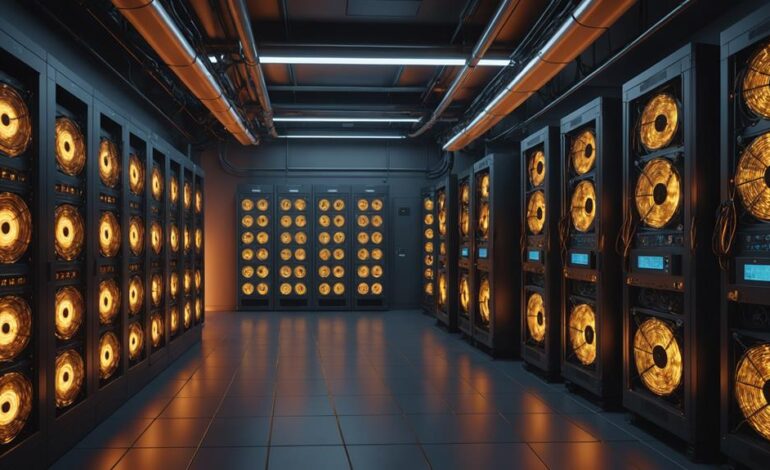
As you intensify your cryptocurrency mining efforts, managing the heat generated by your hardware becomes crucial. Without effective cooling, your equipment's performance can drop, or worse, it could fail, costing you both downtime and money. Don't underestimate the importance of a robust cooling system.
Firstly, you'll need to consider air cooling solutions, such as fans and dedicated air conditioning units. These are generally less expensive and easier to install but mightn't suffice for larger setups. You're trying to maintain optimal operating temperatures, so it's critical to have a responsive system that can adapt to varying heat outputs.
Alternatively, liquid cooling systems offer a more efficient heat transfer mechanism and can significantly reduce noise—a bonus if you're operating in a residential area. Though more costly and complex to set up, they provide superior cooling by directly absorbing heat from critical components like GPUs and CPUs.
Geographic Location Factors

Choosing the right geographic location can significantly impact the efficiency and cost-effectiveness of your cryptocurrency mining operation. You'll find that certain areas offer lower energy costs, which is crucial since mining consumes a lot of power. Regions with abundant renewable energy resources, like hydroelectric power in Scandinavia or geothermal energy in Iceland, can provide cheaper and more sustainable electricity options.
Temperature is another vital factor. Cooler climates help reduce the need for extensive cooling systems, saving you money and energy. Locations like Northern Canada or Siberia might be ideal, where the natural cold can help manage the heat generated by mining rigs.
Don't overlook the political stability of a region. Stable countries pose less risk of abrupt regulatory changes that could affect your operation. Countries with supportive regulatory environments towards cryptocurrencies and mining activities offer a safer investment climate.
Maintenance and Infrastructure Costs
While selecting the right location impacts energy costs and regulatory risks, another significant aspect that affects your bottom line is the maintenance and infrastructure costs associated with cryptocurrency mining. You'll find that these expenses can quickly accumulate, influencing your overall profitability.
Firstly, the hardware required for mining, such as ASICs or GPUs, isn't just expensive; it also needs regular updates and replacements to stay competitive. You're not just buying machines; you're committing to a cycle of continuous investment to keep up with the rapidly advancing technology. Additionally, these machines degrade over time and operate under intense conditions, necessitating frequent repairs and sometimes complete replacements.
Secondly, the infrastructure itself, including cooling systems and electricity setups, requires substantial initial capital. Cooling systems are crucial, as they prevent your expensive hardware from overheating and failing. This isn't a one-time setup cost; it's an ongoing expense due to the energy consumption and potential upgrades as your farm expands.
Lastly, don't underestimate the cost of securing your operation. From physical security measures to cybersecurity, protecting your assets from theft and hacking is essential but costly. Each of these factors must be carefully considered to manage your expenses and maximize your mining earnings effectively.
Renewable Energy Integration Challenges

Why consider integrating renewable energy into your cryptocurrency mining operations? Well, it's a great way to reduce your carbon footprint and possibly lower energy expenses in the long run. However, you'll face several substantial challenges during this transition.
Firstly, the availability of renewable resources can be inconsistent. Solar and wind energy, which are the most common renewable sources, depend heavily on weather conditions and time of day. You need a constant, reliable power supply for mining, but renewables inherently fluctuate. This means you'll likely have to invest in energy storage systems, like batteries, which can significantly drive up initial costs.
Secondly, the infrastructure for renewable energy mightn't be fully developed in your area. This can limit your access to these energy sources or require additional investments in infrastructure development. You're looking at potentially hefty upfront costs with uncertain return periods.
Lastly, integrating new technology always comes with a learning curve. Adapting to renewable energy solutions involves new skills and knowledge, both in installation and ongoing management. You'll need to train your team or hire specialists, adding to your operational costs.
Despite these challenges, the long-term benefits of sustainability and potential cost savings could make it all worthwhile.
Conclusion
You've seen how cryptocurrency mining isn't just about raking in digital coins; it's also about managing hefty expenses. From the high costs of electricity consumption to the essential cooling of hardware, your location, maintenance efforts, and the hurdles in adopting renewable energy all play pivotal roles. As you dive into this venture, consider these factors carefully to ensure your mining operation is both cost-effective and sustainable. It's not just an investment in technology, but in strategy and foresight too.