How to Calculate Cryptocurrency Mining Energy Costs
When you're venturing into the world of cryptocurrency mining, understanding how to calculate your energy costs is crucial. You'll start by assessing the power consumption of your mining setup and the rate your utility company charges per kilowatt-hour. However, it's not just about simple multiplication; you must also consider factors like hardware efficiency and fluctuating energy prices, which can significantly affect your bottom line. If you're curious about how these elements interact and how you can optimize your mining operation to be cost-effective, exploring various strategies and tools might provide valuable insights into managing your expenses more effectively.
Understanding Cryptocurrency Mining
To grasp the essence of cryptocurrency mining, it's crucial to understand that it involves verifying transactions and adding them to the public ledger, known as the blockchain. Each time you mine, you're helping secure the cryptocurrency network by ensuring its transaction data is accurate and immutable. This process requires solving complex mathematical problems that validate groups of transactions, called blocks. When you solve these problems, you're rewarded with new cryptocurrency units and transaction fees.
Mining isn't just about creating new coins. You're also playing a key role in the development and maintenance of the blockchain technology. Every transaction that you validate helps prevent potential fraud and ensures all network participants have a consistent view of the transaction ledger.
This activity requires significant computing power. Miners use specialized hardware that can handle the immense requirements of running blockchain algorithms. The hardware you choose impacts your effectiveness and your rewards. As mining has become more competitive, it's necessary to invest in more powerful equipment to stay profitable. This technology isn't just a simple software application; it's an integration of software and powerful hardware working together to maintain the integrity of the blockchain.
Key Factors Affecting Energy Use
As you've seen, cryptocurrency mining relies heavily on robust hardware to process transactions and secure the blockchain. But, what else impacts the amount of energy you'll consume while mining? It's not just about the machines themselves; several other factors play crucial roles.
Firstly, the type of cryptocurrency you choose to mine significantly influences energy use. Different algorithms require varying amounts of power, with some like Bitcoin's SHA-256 algorithm being particularly energy-intensive. On the other hand, cryptocurrencies using proof-of-stake algorithms typically consume less energy.
Your location also matters immensely. The cost and type of electricity available in your area can make or break the feasibility of your mining operation. Places with cheap, abundant hydroelectric power, for instance, offer much lower operational costs compared to areas where coal or gas dominates.
Additionally, the climate of your location is pivotal. Mining equipment generates a lot of heat, and if you're in a warmer region, you'll spend more on cooling systems to prevent overheating. Conversely, cooler climates can naturally help in reducing cooling costs, thereby saving energy.
Understanding these factors helps you make informed decisions about how and where to set up your mining operations effectively.
Calculating Mining Hardware Consumption
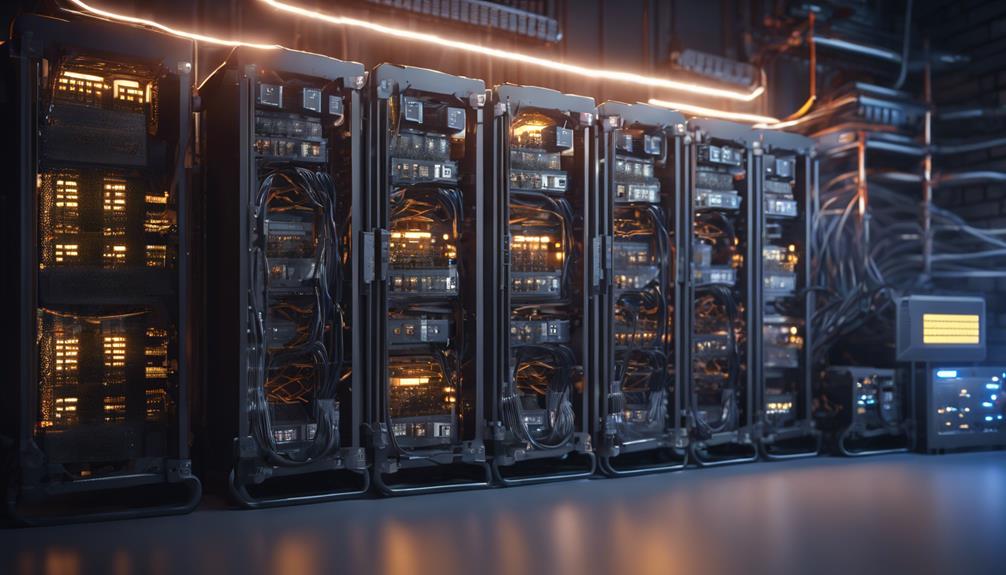
Understanding your mining hardware's energy consumption is crucial for optimizing your operations and managing costs. To kick off, you'll need the power consumption rate, typically measured in watts, for each piece of mining equipment you operate. This information is usually provided in the manufacturer's specifications or on their website.
Next, consider the hash rate, which is the speed at which your hardware operates. It's crucial because more powerful equipment that processes transactions faster might also draw more power. You'll find this rate in terahashes per second (TH/s) for most modern hardware.
Now, combine these figures. Multiply the power consumption rate (in watts) by the number of hours you plan to run the equipment daily. This gives you the daily watt-hours consumed. To refine your calculation, adjust for the actual operational efficiency, which might differ from the manufacturer's ideal conditions due to factors like cooling needs or power supply inefficiencies.
You should also monitor your hardware's performance and power draw over time. Changes in network difficulty or hardware wear can alter your energy needs. Keeping a close eye on these metrics helps you adjust operations to maintain efficiency without stepping into the realm of electricity cost estimation just yet.
Estimating Electricity Costs
Estimating your electricity costs is the next critical step in managing your cryptocurrency mining operations efficiently. To begin, you'll need to determine the power usage of your mining setup, which you've already calculated. Now, take this figure and look at your electricity bill to find out how much you're paying per kilowatt-hour (kWh).
Remember, electricity rates can vary widely depending on your location, the time of day, and your specific power company. Some areas offer lower rates during off-peak hours, which can be an opportunity to reduce costs if you adjust your mining schedule accordingly.
Next, multiply the total power consumption of your mining hardware by the cost per kWh. This calculation gives you the cost of running your mining operation per hour.
To get a broader view, you might want to calculate the daily, monthly, or even yearly cost. Just multiply the hourly cost by the number of hours you plan to run your miners in these periods.
It's also wise to factor in potential increases in electricity rates. Keeping an eye on trends and regulatory changes in your region can help you anticipate changes in your operating expenses. Being proactive with these estimates ensures you won't be caught off guard.
Efficiency of Different Cryptocurrencies

While you manage the costs of your mining operation, it's crucial to consider the efficiency of different cryptocurrencies. Each coin has its own energy consumption profile, impacted largely by the underlying blockchain technology.
For example, cryptocurrencies like Bitcoin use a Proof of Work (PoW) mechanism, which typically requires more energy due to the complex mathematical calculations needed for mining. On the other hand, coins employing Proof of Stake (PoS) or other consensus mechanisms often consume less energy, as they don't require extensive computational power.
You'll find that newer cryptocurrencies tend to be designed with energy efficiency in mind, potentially offering lower operational costs. However, their market stability and profitability can vary, presenting a trade-off between energy savings and potential earnings.
It's worth comparing the typical energy consumption per transaction or per block mined across different cryptocurrencies to get a better sense of where your investment might stretch furthest.
Optimizing Mining Setups for Efficiency
To maximize your mining operation's efficiency, you should streamline your mining setups. Start by selecting hardware that balances power with energy consumption. ASIC miners offer high performance but can be expensive and consume a lot of electricity. Alternatively, you might consider GPUs if they meet your budget and energy requirements. It's crucial to compare the hash rates and energy usage of different models before making a purchase.
Next, focus on optimizing your mining environment. Proper cooling systems can prevent your setups from overheating and using excess energy. Consider the layout of your mining rigs; ensure there's enough space between them for air circulation. Investing in energy-efficient cooling technologies, like liquid cooling systems, can further reduce your operation's overall power consumption.
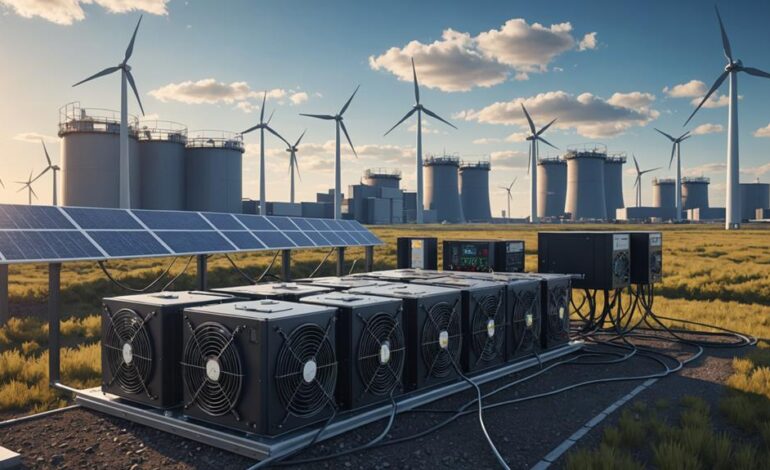
You'll also want to look into renewable energy sources. Solar panels or wind turbines can significantly cut down your electricity bills and lessen your carbon footprint. Even partially offsetting your energy consumption with renewables can make a difference.
Analyzing Trends in Mining Energy Costs
After optimizing your mining setup for efficiency, it's important to understand how broader trends in energy costs impact your operations. You've likely noticed that energy prices fluctuate due to a variety of global factors including geopolitical events, changes in regulation, and shifts in the supply of fossil fuels and renewable resources. These changes can significantly affect your mining profitability.
To stay ahead, you'll want to keep a close eye on energy price forecasts and reports from reliable sources. This isn't just about watching the numbers change; it's about understanding why they change.
For instance, if a new renewable energy initiative launches in a country that supplies your electricity, you might anticipate a drop in costs over time.
Additionally, seasonal variations play a critical role. Typically, electricity costs rise in winter and summer when demand spikes due to heating and cooling needs. Knowing these patterns helps you anticipate changes in mining expenses and adjust your operations accordingly.
Adopting energy-efficient mining hardware is also crucial. As technology advances, newer models are often more power-efficient, which can cushion against rising energy prices.
Conclusion
You've learned how to navigate the complexities of cryptocurrency mining energy costs. Remember to always monitor your hardware's power consumption and keep an eye on electricity rates. By choosing energy-efficient setups and keeping abreast of market trends, you can optimize your mining operations to be both cost-effective and sustainable. Don't forget, adapting to changes and investing in newer technologies can significantly reduce your energy expenses and boost your mining profitability.