Understanding Cryptocurrency Mining Energy Costs
As you explore the world of cryptocurrency, you've probably noticed that mining isn't just about generating new coins; it's also about the immense energy it consumes. You're aware that the type of cryptocurrency, the hardware in use, and even where you live play significant roles in how much you'll spend on electricity. But have you considered how these factors could be optimized for better efficiency and lower costs? What's more, the environmental impact of this energy consumption is becoming impossible to ignore. If you're curious about how these elements interconnect and what it means for the future of mining, there's more to consider.
Basics of Cryptocurrency Mining

Cryptocurrency mining, at its core, involves validating transactions and adding them to a public ledger known as the blockchain. When you mine cryptocurrency, you're essentially using computer power to solve complex mathematical problems. Each time a problem is solved, a block of transactions is verified and added to the blockchain. This process secures the network and earns miners new coins as a reward.
The mining process starts with the transactions themselves. Each transaction made with cryptocurrency needs to be confirmed and recorded. This isn't just about creating new coins; it's also crucial for preventing fraud, such as double-spending. Miners collect these transactions from a pool and form what's called a block.
To add a block to the blockchain, miners must prove their work by solving a cryptographic puzzle. This requires an immense amount of computational power and, as a result, consumes a significant amount of energy.
The first miner to solve the puzzle and validate the block broadcasts it to the network. Other miners then verify the solution and the block is added to the blockchain. For their efforts, miners are rewarded with newly minted coins, an incentive that attracts more participants to the mining process.
Key Factors Influencing Energy Use
The energy demands of mining operations hinge significantly on several key factors that you should consider.
First, the choice of cryptocurrency itself affects energy consumption. Coins requiring more complex computations for mining generally consume more power. You'll find that Bitcoin, for instance, uses a proof-of-work mechanism that demands extensive computational power and, consequently, a lot of electricity.
Next, the mining equipment you choose plays a critical role. Older models are less efficient than the latest technology, which means they use more electricity to perform the same amount of work. It's vital to invest in modern hardware not only to maximize efficiency but also to reduce your environmental footprint.
Another crucial factor is the scale of your mining operation. Larger setups with more machines running simultaneously will naturally consume more power. However, economies of scale can sometimes reduce the energy cost per unit of cryptocurrency mined.
Lastly, the location of your mining operation influences energy use. Areas with cooler climates can significantly cut down on the energy required for cooling systems, a non-negligible factor in total energy consumption. You'll need to balance these factors carefully to manage your mining's energy requirements effectively.
Global Energy Prices and Mining

Amid fluctuating global energy prices, your cryptocurrency mining profitability can swing significantly. You've got to keep an eye on the trends in energy costs across different regions. It's not just about the present rates; it's also about anticipating future changes. You might find that relocating your operations to a country with lower energy costs could slash your overhead dramatically.
Remember, countries like Iceland, where geothermal energy is abundant and cheap, have become hotspots for miners. On the other hand, nations with higher electricity prices, such as Germany, might make it tougher for you to turn a profit. It's crucial to weigh these factors carefully before setting up your rigs.
You should also consider the political stability of a country. Sudden changes in energy policies or regulations can disrupt your operations and affect your bottom line.
For instance, if a government decides to hike electricity tariffs specifically on crypto mining, you could be looking at a significant increase in operational costs.
Mining Hardware Energy Efficiency
Shifting your focus from the broader economic landscape to the specifics of your operation, consider the energy efficiency of your mining hardware. As you delve into the world of cryptocurrency mining, it's crucial to understand that the choice of hardware can significantly affect your energy consumption and overall costs. You're not just buying a machine; you're investing in the efficiency of your future operations.
Modern mining rigs are designed to maximize hash rates while minimizing power draw. The efficiency of a miner is measured in joules per terahash (J/TH). Lower J/TH means more hashes for less energy, and that's what you're aiming for.
It's essential to compare the specifications of different models. Look for those offering high efficiency and reliability, even if they come at a higher upfront cost.
Renewable Energy in Mining
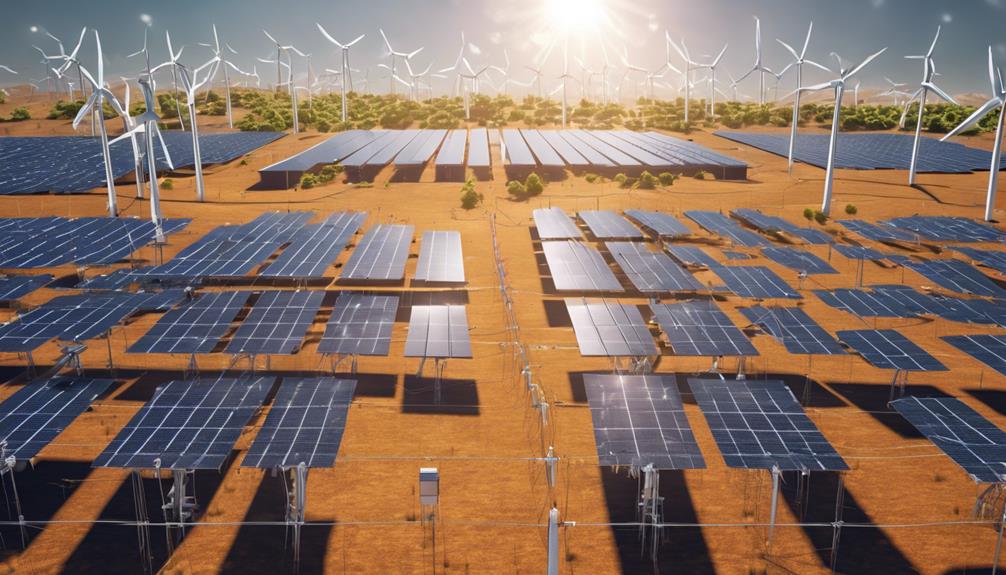
As you explore ways to reduce your operation's carbon footprint, consider integrating renewable energy sources into your cryptocurrency mining efforts. Utilizing solar, wind, or hydro power not only decreases environmental impact but can also lead to significant cost savings over time. You're in a unique position to take advantage of these sustainable resources, which are becoming more accessible and affordable.
Mining cryptocurrency is notoriously energy-intensive, but by shifting to renewables, you're aligning with global sustainability goals. Think about solar panels. They can be installed on site at your mining farm, reducing dependency on traditional power grids and cutting down electricity bills.
Wind turbines might require more initial investment, but they pay off by providing a steady energy supply, especially in gusty areas.
Hydropower is another excellent option if you're located near a water source. It's one of the most efficient renewable energy sources, offering around-the-clock power unlike solar and wind which might be intermittent depending on weather conditions.
Regional Energy Cost Variations
Why do your energy costs vary so much from one region to another? The answer lies in a mix of local energy sources, governmental policies, and market demand. If you're mining in a region abundant in hydroelectric power, like parts of Canada, your costs might be lower due to the cheaper and more sustainable energy source.
Contrast that with areas reliant on fossil fuels—these typically have higher prices due to more expensive extraction and processing methods.
Transportation also plays a significant role. In remote areas, transporting fuel can be costly, which in turn bumps up your electricity bill. Additionally, government regulations and subsidies can either alleviate or exacerbate these costs. Some regions offer incentives for using renewable energy, making it more cost-effective, whereas others have yet to implement such supportive measures.
Currency fluctuations can't be ignored either. If you're paying for electricity in a currency that's weaker than your revenue-generating cryptocurrency, you'll feel the pinch more acutely. It's crucial you factor in these regional differences when planning your mining operations to optimize costs and maximize profit. Always stay informed about the specific conditions in your area to make the most economically sound decisions.
Future Trends in Mining Energy
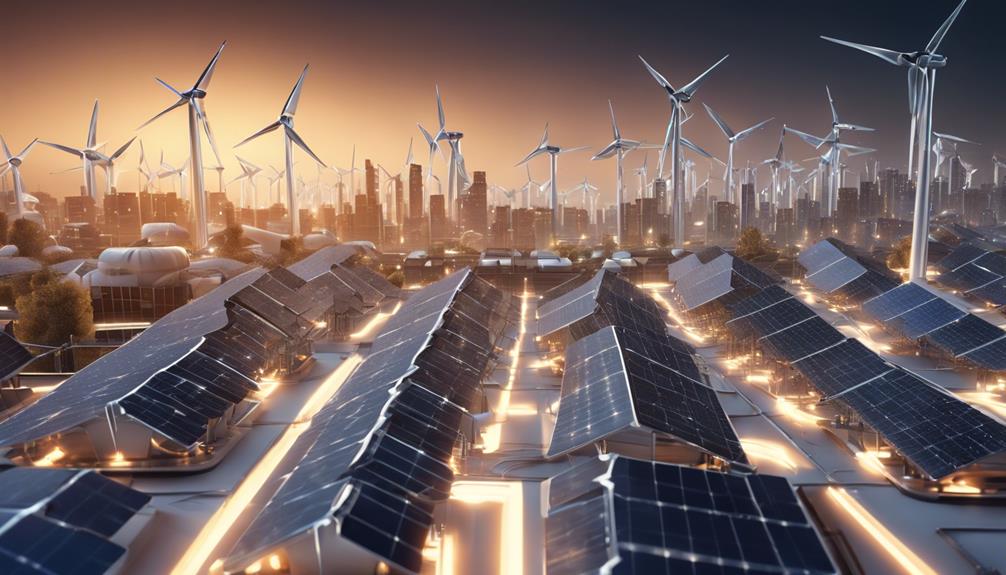
What'll the future of energy consumption look like for cryptocurrency mining? As you dive deeper into the world of cryptocurrencies, you'll find that the energy consumption of mining operations is poised for significant change. Technological advancements and increased scrutiny on environmental impacts are driving innovation in how energy is sourced and used in mining.
You're likely to see a shift towards more sustainable energy sources. Solar, wind, and hydroelectric power are becoming more feasible options as their costs decrease and efficiency improves. This shift not only helps reduce the carbon footprint associated with mining but also potentially lowers the cost of operations, making mining more accessible and profitable.
Moreover, advancements in mining hardware are expected to continue. More energy-efficient ASICs and GPUs are being developed, which could drastically reduce the power needed per mining operation.
You'll also encounter new cooling technologies that improve energy efficiency, further reducing the overall energy consumption.
The push towards decentralization may also influence energy trends. Smaller, distributed mining operations could leverage local renewable energy sources, minimizing reliance on large-scale, non-renewable power plants. This decentralized approach not only spreads economic benefits but also encourages local energy innovation and sustainability.
Energy Consumption by Major Cryptos
Several major cryptocurrencies vary widely in their energy consumption due to differences in blockchain technology and mining mechanisms. You'll find that Bitcoin, for instance, uses a proof-of-work system that requires substantial computational power. This has led it to become one of the largest consumers of electricity among digital currencies. Each Bitcoin transaction can consume more electricity than hundreds of thousands of Visa transactions.
On the other hand, Ethereum has been moving towards a proof-of-stake model with its Ethereum 2.0 update, which drastically cuts down on energy use. By staking Ethereum, participants can validate transactions according to the amount of coins they hold, rather than solving cryptographic puzzles. This shift not only reduces power consumption but also diminishes the need for high-powered mining equipment.
Other cryptos like Ripple or Cardano take different approaches. Ripple, for instance, doesn't rely on mining at all, which keeps its energy consumption exceptionally low.
Meanwhile, Cardano uses a unique proof-of-stake algorithm called Ouroboros, designed to be more energy-efficient than older cryptocurrencies while still securing the network and validating transactions.
Understanding these variations helps you grasp why not all cryptocurrencies are equally burdensome on our energy resources.
Reducing Mining's Carbon Footprint
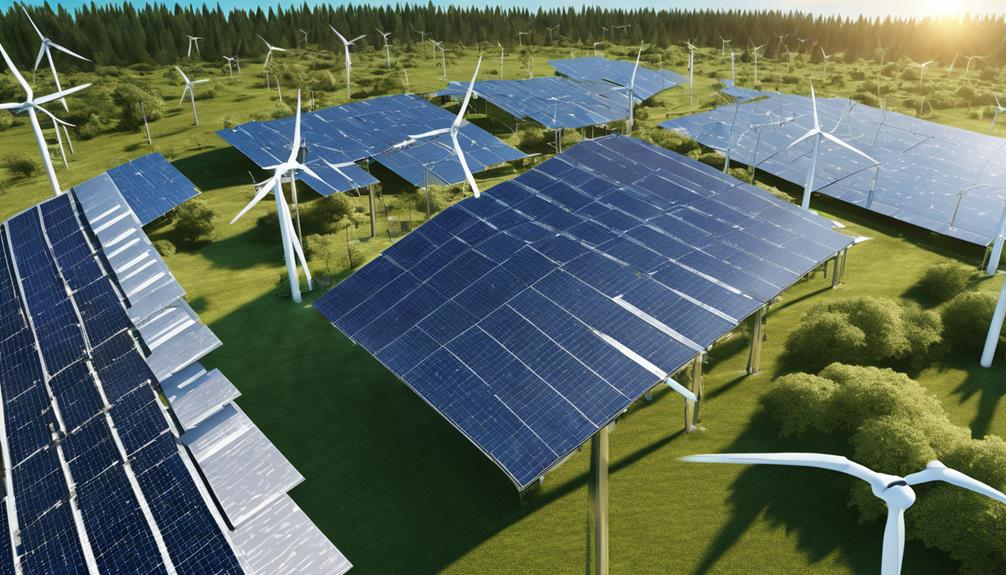
As we consider the environmental impact of cryptocurrency mining, it's essential to explore strategies for reducing its carbon footprint. You can play a pivotal role in this transformation.
Firstly, consider the source of your energy. Switching from fossil fuels to renewable energy sources like solar, wind, or hydroelectric power significantly lowers emissions. It's not just eco-friendly; it's also becoming more financially viable as the cost of renewable technologies decreases.
Moreover, optimizing mining hardware's energy efficiency is crucial. Invest in newer, more efficient technologies that use less power for the same amount of mining work. This not only reduces your carbon footprint but also cuts down your electricity bills.
You should also explore the potential of carbon offsetting. By investing in environmental projects, you can counterbalance the emissions you can't eliminate. This isn't a solution to the root problem but serves as an intermediate step towards sustainability.
Lastly, participate in industry-wide changes. Support and advocate for protocols that require less computational power, like proof of stake (PoS), over the traditional proof of work (PoW) systems. Collective action can lead to significant environmental benefits, setting a standard for responsible mining practices.
Conclusion
As you dive into cryptocurrency mining, it's vital to keep energy costs in mind. Optimize your setup by selecting efficient hardware and considering the energy prices in your region. Embrace renewable energy sources to lessen the environmental impact. Staying informed about the evolving trends in mining energy will help you adapt and maintain profitability. Remember, reducing the carbon footprint of your mining operations isn't just good for the planet—it's smart for your business too.