3 Ways Cryptocurrency Mining Impacts Carbon Footprint
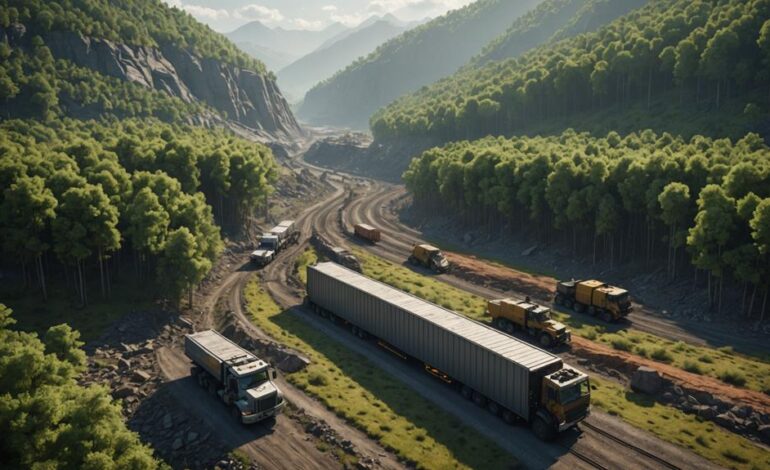
You've probably heard about the environmental impact of cryptocurrency mining, but do you know how deep the carbon footprint goes? First, consider the sheer energy demand of mining operations. These facilities run around the clock, requiring immense amounts of electricity that often come from high-emission sources like coal or natural gas. Then, there's the matter of where these mining farms are located. Regions reliant on fossil fuels for power exacerbate the problem, pumping more greenhouse gases into the atmosphere. Lastly, the type of energy source powering these operations holds significant sway over their environmental impact. As you reflect on these points, think about the implications for future energy policies and what shifts might be necessary to mitigate these environmental concerns.
High Energy Demand of Mining
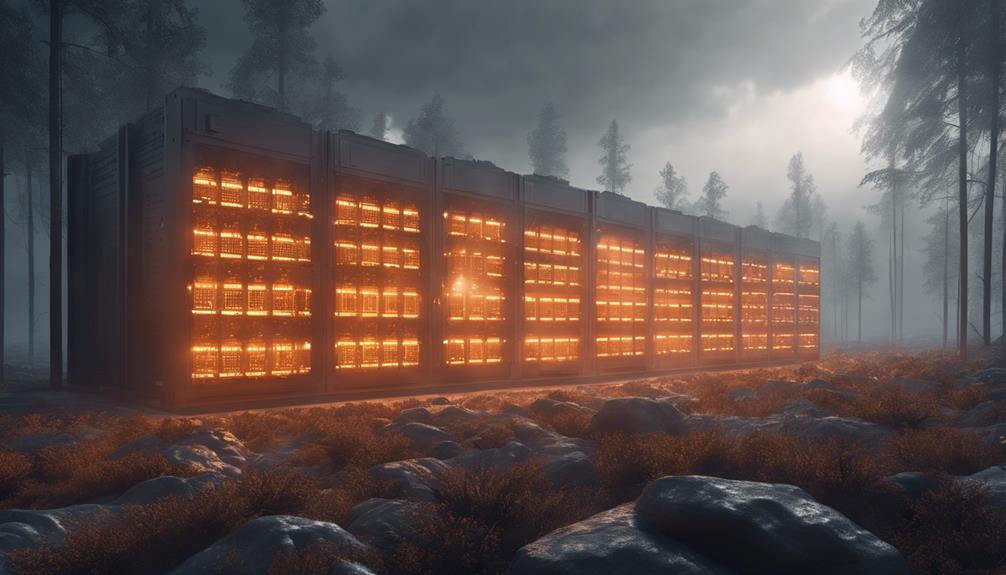
Amid rising concerns, the high energy demand of cryptocurrency mining stands out as a significant environmental issue. You've likely heard of Bitcoin, Ethereum, and other cryptocurrencies, which rely heavily on a process called mining. This isn't about pickaxes and shovels; it's about powerful computers solving complex puzzles. These machines don't just eat up a ton of energy; they demand constant, intense computational power to validate transactions and secure the network.
As you dive deeper, you'll find that these mining operations aren't tucked away in corners where energy is spare. They're sprawling globally, often seeking out locales where electricity costs dip lower, regardless of the energy source. This relentless pursuit for cheaper power doesn't just strain local resources; it amplifies demand at a scale that can lead to increased overall energy consumption. You mightn't feel this directly, but it impacts everything from local energy policies to global energy markets.
Moreover, the sustainability of this practice comes into question. As more people join the network, the puzzles become harder, requiring even more power. It's a cycle that doesn't just end, making you wonder: at what cost does digital currency come?
Emissions From Electricity Sources
Considering the varied sources of electricity, it's crucial to recognize that not all power is created equal when it comes to environmental impact. As you dive into the world of cryptocurrency mining, you're directly tapping into the electrical grid. This grid is often a mixed bag, ranging from low-emission sources like wind and solar to high-emission sources like coal and natural gas.
The carbon footprint of your mining operations largely hinges on how the electricity you use is generated. If you're pulling from coal-powered stations, for instance, the emissions are significantly higher compared to using hydropower. This distinction is key because the type of energy consumed directly affects the overall sustainability of mining practices.
You might think that switching to renewable sources is a quick fix, but it's not always straightforward. Availability and cost of green energy can vary widely. However, making the effort to source cleaner energy not only reduces your carbon footprint but also aligns with a growing global push towards environmental responsibility.
Geographic Impact Variances

The geographic location of your cryptocurrency mining operations significantly influences their environmental impact. Regions powered predominantly by coal or oil generate more greenhouse gases per kilowatt-hour than those using renewable energy sources like wind or solar. You're not just choosing a place; you're determining the carbon footprint of your mining activities.
If you're operating in a country like Norway, where almost all electricity comes from hydropower, your mining's carbon emissions are drastically lower compared to operations in places like China or the United States, where coal and natural gas still play major roles. This variance can affect everything from the sustainability of your operations to public perception and regulatory responses.
Furthermore, cooler climates reduce the need for additional energy to cool down mining equipment, enhancing overall energy efficiency. For instance, setting up shop in Iceland, with its naturally cold environment, means you'll spend less on cooling systems, which further decreases your operation's environmental strain.
It's essential you consider these factors when choosing your mining location. Not only does it impact your carbon footprint, but it also aligns with a growing global demand for environmentally responsible and sustainable practices in the tech world.
Conclusion
You've seen how cryptocurrency mining significantly affects our planet's carbon footprint. The relentless demand for energy, coupled with emissions from traditional power sources and geographic variances, underscores the urgent need for greener practices. By shifting towards renewable energy and situating mining operations in low-emission areas, you can help reduce the environmental impact. It's crucial to consider these factors as you explore the expanding world of cryptocurrency. Let's strive for sustainability in every step forward.