What Makes Blockchain Crucial for Crypto Exchange Security?

You might wonder why blockchain is considered indispensable for the security of crypto exchanges. Its decentralized architecture and immutable record-keeping are pivotal in forging a system that's resilient against fraud and theft. Imagine every transaction you make being recorded on a ledger that isn't just stored in one location but distributed across a network of computers, making any tampering efforts not just difficult, but virtually impossible. This setup doesn't only enhance transparency; it fundamentally shifts how security is approached in financial exchanges. Now, consider how these features can impact other aspects of a crypto exchange's operations and the broader implications for regulatory compliance.
Defining Blockchain Technology

While it might seem complex at first, blockchain technology is essentially a digital ledger that records all transactions across a network of computers. Imagine you're keeping a journal, except instead of writing your secrets in a notebook, your entries are stored across thousands of computers.
These entries, once verified, are linked together in chronological order, creating a chain of blocks, hence the name "blockchain."
This decentralized nature means no single entity controls the whole chain, which can make you feel more secure about where your data is going and who's handling it. Each transaction is recorded only after it's approved by a network of nodes, or computers, which use algorithms to agree on the state of the ledger.
Once a transaction is added, it's nearly impossible to alter—think of it as writing in pen rather than pencil.
You're not just passing notes in class; you're broadcasting them to every student to verify before the note is accepted as true. This ensures transparency and a level of security that traditional, centralized systems might struggle to match.
As you delve deeper into blockchain's workings, you'll discover its potential to revolutionize not just crypto exchanges but numerous other industries.
Enhancing Transaction Integrity
Building on the robust foundation laid by blockchain technology, enhancing transaction integrity within crypto exchanges becomes more attainable. You're already familiar with the transparency and immutability that blockchain offers. What you mightn't realize is how these features can directly benefit your transactions on crypto exchanges.
Every transaction you make is recorded on a decentralized ledger. This isn't just a formality; it's a core feature that prevents any alteration of transaction data once it's been added to the blockchain. It means that once you've made a trade, the details of that trade are set in stone—visible for you and everyone else, but untouchable by anyone.
Moreover, the cryptographic nature of blockchain ensures that each transaction block is securely linked to the previous one. This chain of blocks is tamper-evident from the get-go. If someone tries to alter a transaction, the subsequent blocks would be invalidated, providing a built-in mechanism for maintaining consistency and accuracy across the ledger.
Preventing Fraud and Theft
Most crypto exchanges are vulnerable to fraud and theft, but blockchain technology significantly reduces these risks. When you're trading on platforms not backed by blockchain, your transactions might lack transparency and verifiability. Blockchain steps in to change this by offering an immutable ledger for all your trades.
Each transaction is recorded, time-stamped, and linked to the previous one, making any fraudulent alteration easily noticeable.
What's more, blockchain employs advanced cryptographic techniques. This means the information on the blockchain is secured through complex algorithms that you can trust. No one can alter these records without the network consensus, which is nearly impossible to achieve fraudulently.
This robust security feature deters potential hackers and fraudsters, providing you a safer trading environment.
Also, the transparency provided by blockchain helps you track your assets in real-time. You can see exactly where your funds are and who's accessing them. This isn't just a deterrent; it's an active tool in fighting fraud.
You're empowered to notice any unauthorized access or suspicious activity immediately, long before it can become a bigger issue. So, trading on a blockchain-powered exchange isn't just smart; it's a significant step toward safeguarding your investments from fraud and theft.
Decentralization of Data
Decentralization stands at the core of blockchain technology, enhancing the security and integrity of your data. When you use a crypto exchange powered by blockchain, you're not just storing your digital assets on a single server. Instead, your data is distributed across an entire network of computers. This means there's no single point of failure. If one node goes down, it doesn't compromise the rest of the system.
This setup makes it significantly harder for hackers to access your information. They'd have to attack multiple nodes at the same time, a feat that's not only difficult but also costly and time-consuming.
Moreover, each transaction on a blockchain is recorded on every node in the network. So, altering any information would require the consensus of the majority of the network, which is nearly impossible to achieve without being noticed.
You benefit from a system where your assets are safer and where each transaction is transparent and verifiable by anyone in the network. This doesn't just protect your data from cyber threats but also builds a layer of trust and accountability that traditional centralized databases can't match.
Ensuring User Anonymity
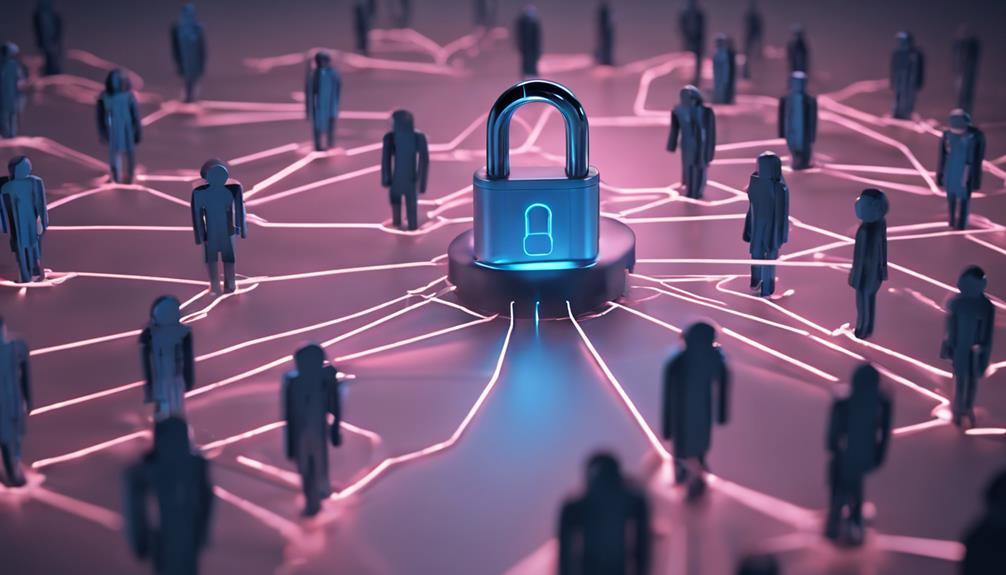
While blockchain enhances security, it also offers powerful tools for maintaining your privacy online. As you delve into the world of cryptocurrencies, you'll find that anonymity can be a critical feature. Blockchain technology enables this through pseudonymous transactions—where your identity is shielded by cryptographic addresses rather than personal information.
When you execute a transaction on a blockchain-powered crypto exchange, you're essentially using a string of numbers and letters to represent your account. This means your real-world identity doesn't need to be disclosed, keeping your personal details out of the public eye.
Moreover, certain blockchain networks use advanced cryptographic techniques like zero-knowledge proofs to further ensure that your transactions remain private, without revealing any underlying data to other parties.
For you, this means a heightened sense of security as you trade. There's no need to worry about personal information leaks that could lead to identity theft. You're able to manage your investments and move assets across borders without tying them back to your public identity, thus staying one step ahead of potential threats.
In this digital age, maintaining your anonymity isn't just a preference; it's a proactive measure to safeguard your financial activities.
Regulatory Compliance and Audits
As you enjoy the benefits of anonymity on blockchain platforms, it's also important to understand the role of regulatory compliance and audits in maintaining a secure trading environment. Regulatory bodies around the world are increasingly focused on ensuring that cryptocurrency exchanges operate within legal frameworks to prevent fraud, money laundering, and other illicit activities. Compliance isn't just about following rules; it's about protecting you and your assets.
For instance, when a crypto exchange adheres to Know Your Customer (KYC) and Anti-Money Laundering (AML) regulations, it helps in identifying and mitigating potential risks associated with unauthorized transactions and financial crimes.
Regular audits are crucial too, as they ensure that the exchanges keep your data secure and operations transparent.
These audits, often conducted by independent third parties, evaluate the effectiveness of the security measures put in place by the exchange. They check for vulnerabilities in the system and verify the integrity of the financial transactions. This process not only enhances trust in the platform but also ensures that the exchange can promptly address any security lapses.
Conclusion
You've seen how blockchain is indispensable for crypto exchange security. By decentralizing data and enhancing transaction integrity, it guards against fraud and theft. This technology not only secures your transactions but also maintains your anonymity and complies with regulatory audits. Embrace blockchain's power to keep your assets safe and trust in a system that's designed to be transparent and accountable. It's your steadfast ally in the complex world of cryptocurrency.