Unlocking the Secrets of Crypto Mining’s Energy Appetite

You've likely heard that crypto mining demands a significant amount of energy, but have you ever considered how this affects our global power grids? As you explore the depths of crypto mining's energy consumption, you'll find that the implications extend far beyond just high electricity bills. The push towards renewable energy sources is not just a matter of environmental concern—it's becoming a crucial pivot for the sustainability of the entire industry. But what does this shift mean for the future of mining and global energy policies? Let's unpack these complexities together and uncover what changes might be on the horizon.
Understanding Crypto Mining Basics

Before diving into the vast energy consumption of crypto mining, it's crucial you understand its fundamentals. Crypto mining is essentially the process by which new cryptocurrency coins are created and transactions are verified on a blockchain network. It involves solving complex mathematical puzzles that validate transaction data, which in turn secures the network and earns miners new coins as a reward.
You're not just dealing with regular software here; mining requires powerful, specialized hardware like ASICs (Application-Specific Integrated Circuits) or GPUs (Graphics Processing Units). Each piece of hardware competes to solve mathematical problems that finalize transactions and add them to the blockchain—a digital ledger that's publicly accessible but secured through cryptography.
This process isn't just about creating new coins. It's integral to maintaining the blockchain's integrity and user trust by ensuring all transactions are accurate and immutable. Miners play a vital role, serving as the network's auditors who prevent issues like double-spending—the problem of spending the same digital currency twice.
Understanding these basics sets the stage for grasping why mining demands such high energy inputs, which we'll explore next. But remember, the energy story is complex and intertwined with the very nature of decentralized digital currencies.
Energy Consumption in Mining
Energy consumption in mining is staggering, with the global crypto mining industry using more electricity annually than many countries. You might find it shocking how each transaction and mined block on blockchain networks like Bitcoin demands a hefty amount of computational power. This power isn't just about keeping the machines running; it's about solving complex mathematical puzzles that require significant energy.
As you dive deeper, you'll see that this isn't just about one or two miners. Thousands of miners compete simultaneously, using specialized hardware known as ASICs or GPUs, depending on the cryptocurrency. These devices are power-hungry, and their need for electricity doesn't cease. They run 24/7, crunching numbers and securing the blockchain.
You'd probably wonder, where does all this energy come from? Mostly, it's sourced from the local power grid where the mining farms are located, and sometimes, these are areas where electricity is cheaper or, controversially, where regulations are laxer.
This relentless pursuit of the lowest energy costs drives miners to relocate based on fluctuating energy prices and policy changes, continually reshaping the landscape of crypto mining.
Impact on Global Power Grids

The vast energy demands of crypto mining significantly strain local and global power grids. As you delve into the world of cryptocurrencies, it's crucial to realize how this impacts your electricity consumption and, by extension, power infrastructure worldwide. When numerous miners compete to solve complex algorithms, they're not just racing for digital currency; they're also drawing immense amounts of power.
This surge in demand can lead to grid instability, especially in areas with inadequate infrastructure. You might notice this as sporadic power outages or fluctuations in your own home.
Moreover, in regions heavily reliant on crypto mining, the local power systems are pushed to their limits, risking longer-term damage and necessitating expensive upgrades.
Utilities face a tough choice: increase capacity or impose restrictions. Both options come with significant costs and logistical challenges. As a miner or a resident in a mining-heavy area, you're directly affected. The increased demand often leads to higher electricity bills as power companies pass on the costs of grid maintenance and expansion to consumers.
Understanding this ripple effect helps you grasp the broader implications of mining beyond mere profitability. It's about foreseeing the impacts on your daily life and the global community, urging a more informed approach to energy consumption in mining.
Renewable Energy and Mining
Amidst the heavy demands crypto mining places on traditional power sources, many in the industry are turning to renewable energy as a sustainable solution. You've likely noticed the growing concerns over the environmental impact of mining, and maybe you're wondering how renewable resources fit into the picture.
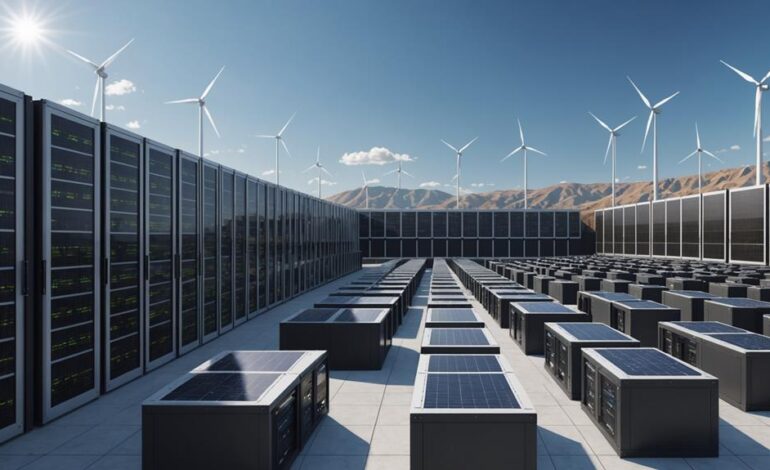
Solar, wind, and hydroelectric power are at the forefront of this shift. By integrating these green sources, you not only reduce the carbon footprint of your mining operations but also potentially lower energy costs in the long run.
For instance, using solar panels can be particularly effective in sun-rich areas, where they generate electricity directly on-site, cutting down on traditional energy demands and operational costs.
Moreover, transitioning to renewables isn't just about being eco-friendly. It's also a strategic move to ensure long-term viability. As governments and regulators tighten environmental policies, having a renewable setup could put you ahead of the curve, avoiding potential fines and shutdowns.
Future Trends in Mining Efficiency
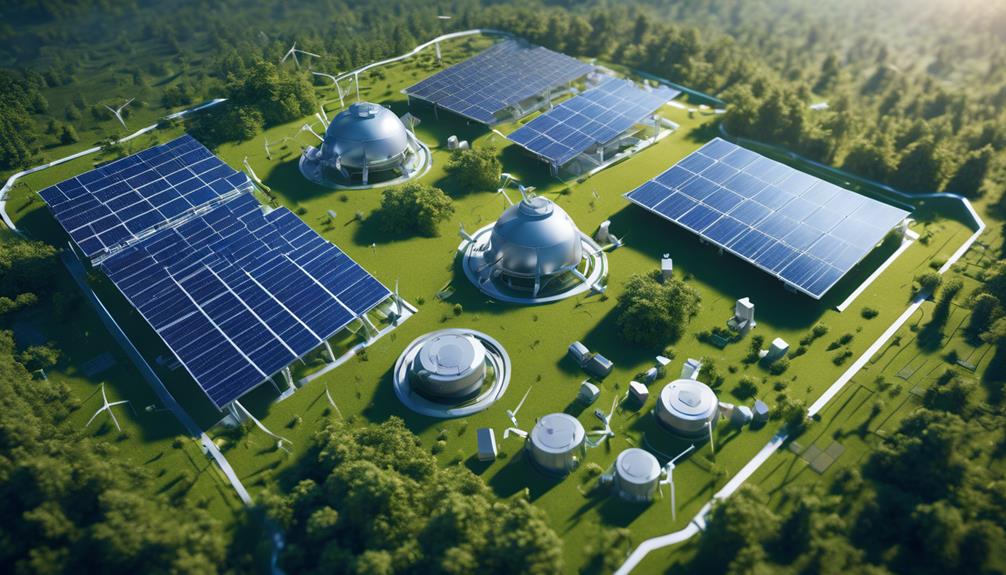
As the crypto mining industry embraces renewable energy sources, another key focus emerges: boosting mining efficiency. You'll notice significant shifts toward more advanced technologies designed to optimize energy use. It's not just about finding cheaper power anymore; it's about making every watt count.
You're likely to see the rise of AI and machine learning algorithms that optimize mining operations in real-time. These technologies can adjust mining efforts based on the most energy-efficient strategies available at any moment, saving significant amounts of power.
Moreover, hardware innovations, particularly in ASIC chips, are on the horizon. These chips are tailor-made for mining and are engineered to provide more hashing power with less energy consumption.
Furthermore, there's a push towards decentralizing mining operations. By spreading out the locations, you can tap into local renewable resources, reducing reliance on fossil fuels and minimizing transmission losses. This not only cuts down on your carbon footprint but also enhances the stability and sustainability of mining operations.
In essence, the future of crypto mining isn't just greener; it's smarter and more distributed. You're at the forefront of a revolution that's redefining not just how digital currencies are mined, but also how global energy resources are utilized. Keep an eye on these trends—they're set to transform the landscape dramatically.
Conclusion
As you delve into the world of crypto mining, it's clear the industry's hunger for energy isn't just a local issue but a global challenge. By embracing renewable energy sources, miners can alleviate the strain on power grids and pave the way for a more sustainable future. Stay informed and consider the impact of your energy choices. The shift toward greener solutions isn't just possible; it's necessary for the continued growth and acceptance of crypto mining worldwide.