What Drives Global Energy Use in Crypto Mining?
You've probably heard about the immense energy consumption associated with crypto mining, but have you ever wondered what really drives this usage? It's not just about the digital quest for cryptocurrencies; several pivotal factors play significant roles. From the hardware that miners choose, which can vary widely in efficiency, to the geographic locations where mining is most profitable, often due to lower energy costs—each element contributes uniquely. Meanwhile, the type of energy sources, whether renewable or fossil fuels, also impacts the sustainability of mining practices. Now, consider how shifts in these areas could reshape the landscape of crypto mining's energy consumption. Curious to see how?
Types of Cryptocurrencies Mined

Diving into the world of cryptocurrency mining, you'll find a range of digital currencies being mined, each with unique requirements and impacts on global energy consumption. Bitcoin, for example, uses the Proof of Work (PoW) consensus mechanism that demands significant computational power. You're essentially competing with miners worldwide to solve complex mathematical problems, and this requires energy-intensive hardware that drives up electricity use.
Ethereum, another major player, has been similar but is shifting towards Proof of Stake (PoS), a method far less taxing on energy resources. In PoS, you're chosen to create new blocks based on the number of coins you hold, rather than the computational work you do. This switch not only reduces the energy burden but also changes how you might participate in mining.
Other cryptocurrencies like Litecoin and Zcash still employ PoW, but their algorithms are different from Bitcoin's, potentially requiring slightly less power. Each coin's mining intricacies directly influence the overall energy expenditure. Understanding these distinctions is crucial because the environmental impact of mining each currency can vary dramatically. As you delve deeper into mining, you'll learn which currencies align with your energy consumption goals and ethical considerations.
Popular Mining Hardware
As you explore cryptocurrency mining, it's essential to choose the right hardware to maximize efficiency and minimize costs. The landscape of mining hardware has evolved dramatically, offering you a variety of options depending on your operational scale and budget.
At the forefront are ASIC (Application-Specific Integrated Circuit) miners, designed specifically for mining cryptocurrencies. They're known for high processing power and speed, outperforming general-purpose hardware like GPUs (Graphics Processing Units). However, they're typically more expensive and less versatile, locked to mining specific algorithms.
If you're starting out or operating on a smaller scale, GPUs might be more up your alley. Not only do they cost less, but they also provide the flexibility to mine different cryptocurrencies and have a resale value as gaming or graphic design hardware.
NVIDIA and AMD are the two leading brands producing GPUs that are popular among miners for their efficiency and durability.
Geographic Distribution of Miners

Now that you're familiar with the types of hardware used in cryptocurrency mining, let's consider where these operations are taking place globally. The distribution of crypto miners isn't random; it's heavily influenced by factors like regulatory climates, the cost of electricity, and internet connectivity.
You'll notice a significant concentration of miners in countries that offer cheap electricity and supportive legal frameworks. For instance, before regulatory changes, China dominated the mining world, thanks to its low-cost energy and abundance of manufacturing facilities for mining hardware. However, shifts in regulations have seen miners relocating to more welcoming regions.
Countries like the United States, Canada, and Kazakhstan have emerged as new hubs for crypto mining. In the U.S., states like Texas attract miners with their relatively cheap renewable energy and crypto-friendly policies. Similarly, Canada's cool climate helps reduce the need for expensive cooling technologies for mining rigs, which can be a major draw.
Moreover, political stability and economic policies play crucial roles. Miners need to operate in regions where there's less risk of abrupt policy changes that could affect their profitability. Hence, observing these trends helps you understand not just where, but why miners are setting up shop in specific locations.
Energy Sources for Mining
While the location of crypto mining operations is crucial, the type of energy sources they utilize is equally important for their sustainability and cost-effectiveness. You're probably aware that mining consumes a tremendous amount of electricity, but did you know that the choice between renewable and non-renewable energy sources can significantly affect both the environment and the miner's bottom line?
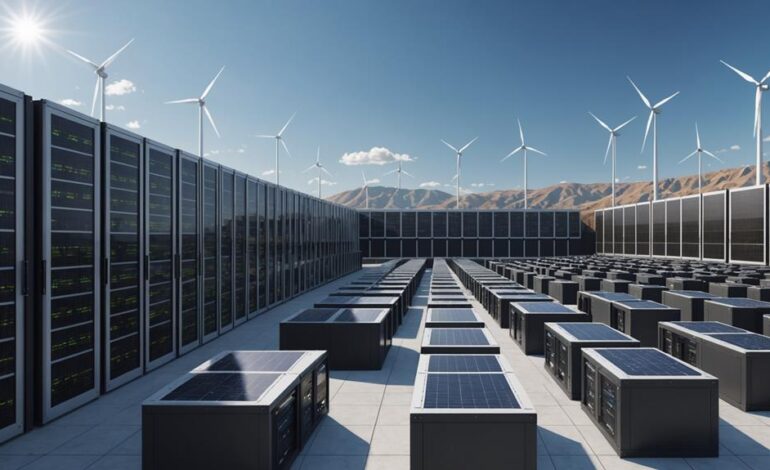
You see, renewable energy sources like solar, wind, and hydroelectric power offer lower operating costs in the long run, despite often higher initial investment. They're not only cleaner but becoming increasingly feasible as technology advances and costs decrease. If you're looking into mining, tapping into these green resources can drastically reduce your carbon footprint.
On the flip side, non-renewable sources such as coal and natural gas are more commonly used because they're currently more accessible and initially cheaper in many parts of the world. However, relying on these can lead to higher operational costs over time due to potential regulatory changes, carbon taxes, and the rising price of fossil fuels.
Moreover, the public's growing concern over environmental issues can affect your operation's social license to operate. So, choosing your energy source wisely isn't just good for the planet—it's crucial for your wallet too.
Regulation and Policy Impacts

Understanding how regulations and policies shape crypto mining operations is key, especially after considering the type of energy sources used.
You'll find that countries with stringent environmental standards often impose rules that directly affect how and where you can mine cryptocurrencies. For example, if you're operating in a region where coal-based energy is restricted, you'll need to adapt by sourcing more sustainable energies, like wind or solar, which might increase operational costs but reduce environmental impact.
Moreover, in some countries, the entire landscape of crypto mining is shaped by government incentives or disincentives. Tax breaks, subsidies, or even penalties can steer you toward greener practices or, conversely, make it financially unfeasible to mine using high-carbon footprint methods. You've got to stay informed about local and international policies to navigate these waters successfully.
It's also essential to consider how these regulations can change. A shift in political climate or economic priorities can lead to new laws that either tighten or relax restrictions. Staying ahead means being adaptable and ready to overhaul your operations to comply with new standards.
As you plan your mining investments, factor in potential regulatory changes that could impact your choice of location and technology.
Advances in Mining Technologies
Several recent advancements in mining technologies have significantly enhanced the efficiency and environmental sustainability of cryptocurrency mining. As you delve into the world of crypto mining, you'll notice that the introduction of more energy-efficient mining hardware, such as ASICs (Application-Specific Integrated Circuits), has revolutionized how much power is required to mine effectively. These devices are tailored specifically for mining cryptocurrencies, which means they consume less energy and provide a higher output compared to their predecessors like GPUs (Graphics Processing Units).
You'll also find that improvements in cooling technologies play a critical role. Advanced cooling solutions, including liquid immersion cooling systems, are being integrated into mining operations to reduce the overall energy consumption by keeping the mining hardware at optimal temperatures. This not only cuts down on electricity used for cooling but also extends the lifespan of the equipment.
Moreover, the adoption of renewable energy sources in mining operations is on the rise. Solar, wind, and hydroelectric power are becoming more common as miners seek to reduce their carbon footprint. This shift not only helps in making mining more sustainable but also mitigates the environmental impact associated with traditional electricity sources.
These technological strides are pivotal in pushing the boundaries of what's possible in crypto mining while addressing global concerns about energy consumption and environmental impact.
Market Demand for Cryptocurrencies

Amid technological progress, market demand for cryptocurrencies has surged, influenced by both seasoned investors and new entrants attracted to the potential for significant returns. You've likely noticed how digital currencies like Bitcoin, Ethereum, and others have become hot topics not just in finance but in everyday conversations. This surge isn't just about fascination; it's heavily driven by the increasing acceptance of cryptocurrencies as a legitimate asset class. Major companies and financial institutions are now integrating crypto transactions into their operations, boosting public confidence and further fueling market demand.
As you explore this landscape, you'll see that the diversity of cryptocurrencies also plays a crucial role. With thousands available, each offers unique features and promises, attracting different segments of the market. This variety ensures a broader base of interest, keeping the mining engines running as each transaction requires verification.
Moreover, global events such as economic uncertainties and inflation have pushed you and many others to consider cryptocurrencies as a hedge against traditional financial systems. Hence, the demand isn't just about profit but also about finding stability in an increasingly digital and interconnected world, which continually drives the energy-intensive process of crypto mining.
Cost of Electricity Worldwide
As you explore the economics of cryptocurrency mining, consider how the cost of electricity impacts this equation across the globe. Different regions offer stark contrasts in electricity pricing, directly influencing where miners set up operations. You'll find that countries with lower electricity costs, such as Kazakhstan and Iran, attract a significant number of mining activities. This isn't just about availability; it's about the bottom line. Lower costs can mean the difference between profit and loss in the crypto mining world.
In regions where electricity is cheaper, primarily due to government subsidies or abundant natural resources, you might think setting up shop is a no-brainer. However, it's not only the price per kilowatt-hour that matters but also the stability of the electrical supply. Frequent power outages can cause significant disruptions, making a seemingly attractive location less viable.
Moreover, the method of electricity generation plays a critical role in cost determination. For instance, hydroelectric power tends to be cheaper and more stable, thus more appealing. You must weigh these factors carefully, as they directly affect operational costs and potential returns.
Always keep in mind that while low cost is tempting, it must be balanced with reliability and sustainability of the energy source.
Environmental Concerns

While crypto mining offers lucrative opportunities, it also raises significant environmental concerns. You've likely heard about the massive amounts of energy required to power mining operations, but the real issue extends beyond just high electricity consumption.
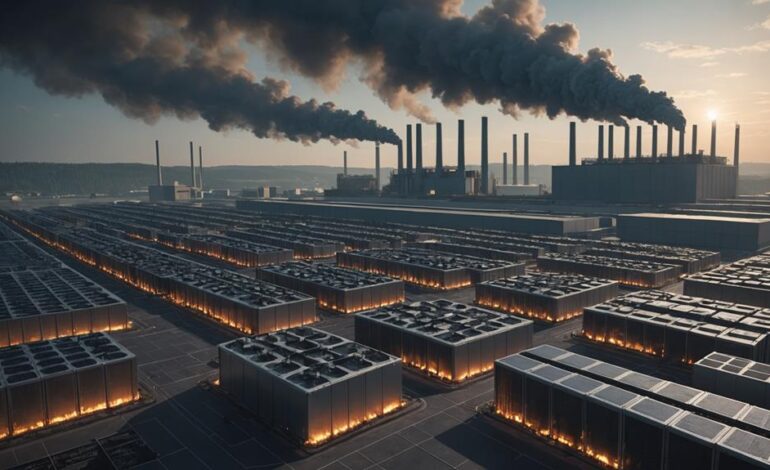
This energy reliance predominantly comes from non-renewable sources, which leads to substantial carbon emissions. You're looking at an industry contributing to global warming at a rate that's hard to ignore.
Moreover, the hardware used in mining isn't built to last forever. You're dealing with equipment that becomes obsolete or inefficient within a few years. This results in a troubling amount of electronic waste.
Imagine the heaps of old miners discarded every year, piling up, with no effective recycling processes in place.
Water usage is another critical point you mightn't have considered. Cooling systems for massive mining farms require significant amounts of water, which exacerbates local water scarcity issues in certain areas.
This isn't just a local problem; it's a global concern when you think about regions already struggling with limited water resources.
All these factors make it clear that the environmental footprint of crypto mining is significant and worsening. You're witnessing a booming digital frontier that's taxing our planet in unprecedented ways.
Future Trends in Mining Practices
Looking ahead, several promising trends could significantly alter the landscape of crypto mining practices.
You'll see an increased adoption of renewable energy sources. Miners are turning to solar, wind, and hydroelectric power to reduce their carbon footprint and operational costs. This shift isn't just good for the planet; it's smart business, as renewable energy often comes cheaper in the long run.
You're also going to witness more sophisticated hardware innovations. These advancements aren't just about power; they're about efficiency. New ASICs and GPUs are being developed to provide greater hash rates while using less energy, helping you maximize your returns and minimize your environmental impact.
Another trend you should keep an eye on is the growth of mining pools that prioritize sustainability. These pools not only leverage collective resources for more effective mining but also enforce green policies among their members. By joining such a pool, you contribute to a larger effort that could eventually standardize eco-friendly mining practices industry-wide.
Lastly, blockchain technology itself is evolving. Protocols that require less energy for transaction verification are on the rise. You might find yourself investing in these newer, greener technologies, aligning your mining efforts with broader environmental goals.
Conclusion
You've seen how global energy use in crypto mining is influenced by a variety of factors. The type of cryptocurrencies you choose to mine, the hardware you use, where you mine, and your energy sources all play crucial roles. Additionally, regulations, market demand, and electricity costs shape your activities. As you move forward, balancing environmental concerns with operational efficiency will be key. Keep an eye on future trends and innovations that promise a more sustainable approach to mining practices.