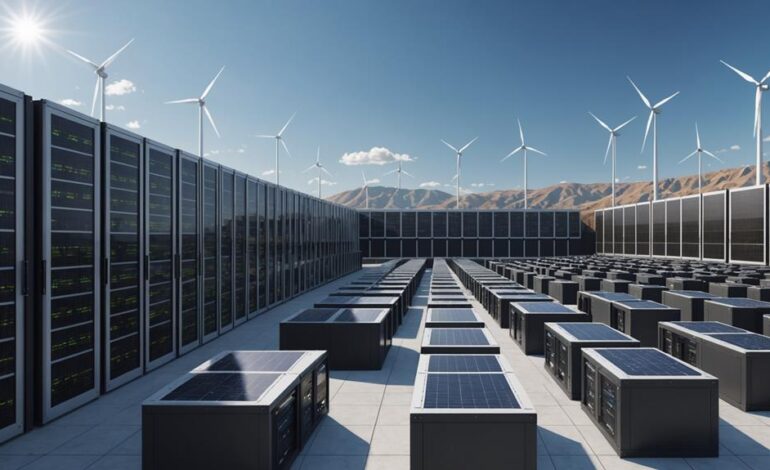
Cryptocurrency Mining: Impact on Global Energy Demands
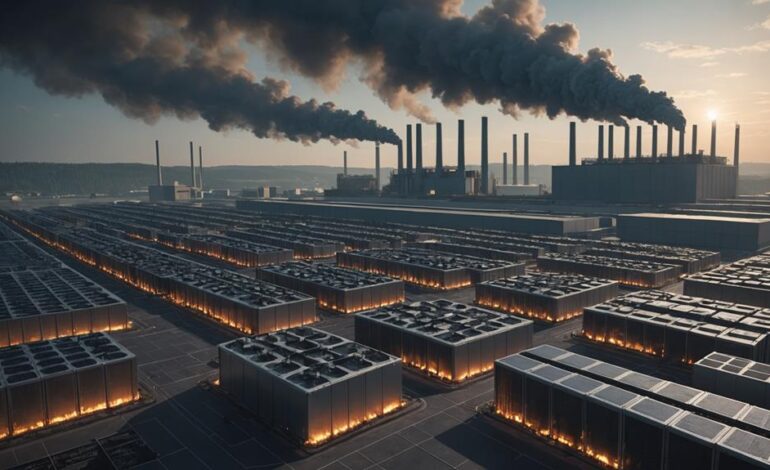
As you explore the world of cryptocurrency, you've likely encountered the term "mining" and its substantial energy consumption. While it's known that operations require massive amounts of power, have you considered how this demand impacts our global energy supplies? Mining rigs operate continuously, drawing electricity that could otherwise support entire regions. This surge in consumption not only affects energy prices but also prompts a critical evaluation of our energy sources. What might this mean for future regulations and innovations in both the crypto and energy sectors? Let's examine the broader implications and the potential for sustainable practices.
Understanding Cryptocurrency Mining
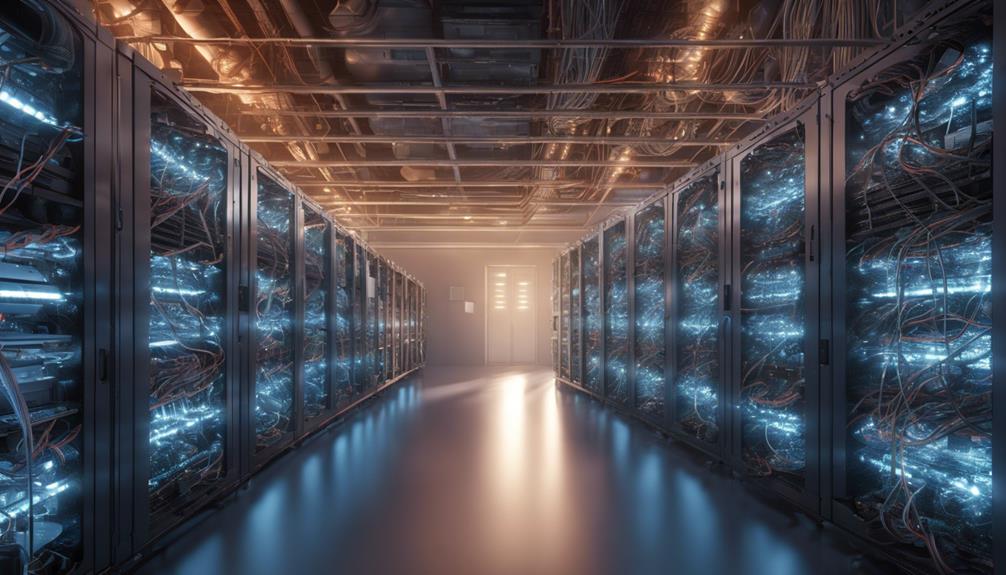
What exactly is cryptocurrency mining? You've probably heard the term tossed around, but here's how it really works. At its core, cryptocurrency mining is the process by which new digital coins are entered into circulation. It's also a critical component of the maintenance and development of the blockchain ledger.
Mining involves using sophisticated hardware to solve extremely complex mathematical problems. When these are solved, the miner is rewarded with cryptocurrency.
You're essentially acting as an auditor when you mine. You're verifying the legitimacy of cryptocurrency transactions. This verification is crucial as it prevents the issue of double-spending, where someone might try to spend the same digital currency twice. It's a system that ensures the integrity and chronological order of the blockchain.
However, it isn't all just about earning coins. The mining process also secures the network of the cryptocurrency. By participating, you help protect against fraud and confirm transactions across the network, making the whole system safer and more reliable for all users. Mining isn't just an individual pursuit but a vital part of how cryptocurrencies function and sustain their ecosystems.
Mining Technology and Power Use
As you delve into the specifics of mining technology, it's essential to understand the substantial power usage it demands. The core of cryptocurrency mining lies in solving complex mathematical problems, which in turn validates transactions and secures the network. This process, known as proof of work, requires powerful computer hardware such as ASICs (Application-Specific Integrated Circuits) and GPUs (Graphics Processing Units). These devices aren't only costly but are also notorious for their high electricity consumption.
You might wonder why these devices consume so much power. The answer lies in the need for speed and efficiency. Higher hash rates, which indicate faster problem-solving capabilities, necessitate more energy. This continuous operation under maximum capacity causes significant electrical consumption.
Furthermore, the heat generated by these machines often requires additional cooling systems, which further increases the power use.
It's also vital to consider the type of hardware you choose. ASICs, while more efficient in terms of power per hash rate compared to GPUs, are designed to mine specific cryptocurrencies, limiting their versatility.
In contrast, GPUs are more flexible but less power-efficient. Balancing these factors is crucial as you decide your mining setup, keeping in mind the energy implications of each hardware option.
Global Energy Consumption Rates

Cryptocurrency mining significantly impacts global energy consumption, with the collective demand from miners rivaling that of entire countries. When you delve into the numbers, it's staggering. The energy required to keep the networks running is immense. For instance, Bitcoin alone consumes more electricity annually than many nations.
Imagine the scale of operations needed to mine these cryptocurrencies. They're not just in one region but spread across the globe, operating continuously 24/7. The miners require a hefty amount of electricity to power their sophisticated hardware and maintain optimal temperatures through cooling solutions. This constant demand adds a considerable strain on our global energy resources.
You might wonder, why does this matter to you? Well, the broader implications of such energy consumption are significant. It affects energy prices, resource allocation, and sustainability efforts worldwide. Every watt of electricity used for mining is a watt not available for essential services and residential use. This scenario creates competition for resources, which can lead to higher energy costs for you and everyone else.
As this trend continues, it's crucial to consider the environmental footprint of such activities. Your awareness and the choices you make can influence how this industry evolves in terms of energy consumption.
Regional Impacts of Mining Operations
Several regions around the globe feel the intense pressure of cryptocurrency mining operations on their local energy grids and environments. You mightn't see it firsthand, but in places like Inner Mongolia or upstate New York, the surge in energy demand has led to significant issues. These areas, rich in natural resources, suddenly find themselves grappling with increased electricity consumption that often outpaces supply. This isn't just about higher bills; it's about the sustainability of these communities.
In Kazakhstan, for instance, the influx of miners has strained the aging power infrastructure, leading to widespread blackouts. You've got towns where the local grid, designed for residential use, now supports operations that consume as much power as entire industrial sectors. The impact? Schools, hospitals, and homes face unexpected power cuts, disrupting daily life and compromising safety.
Moreover, the environmental toll is palpable. In regions relying heavily on coal or oil for power, the carbon footprint of mining is massive. You're looking at increased air pollution and higher greenhouse gas emissions, which contribute to global climate challenges. These aren't isolated issues; they ripple out, affecting agricultural productivity, public health, and even local climate patterns.
Renewable Energy in Mining
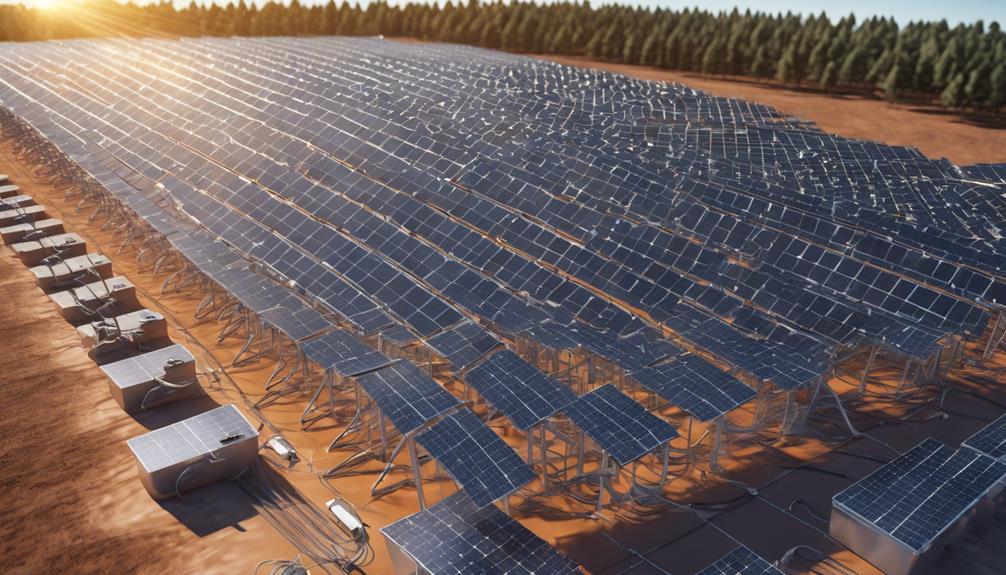
Despite the challenges outlined earlier, a significant shift toward renewable energy sources is transforming how cryptocurrency mining operations are powered. You're now part of an evolving landscape where solar, wind, and hydroelectric power are becoming the norm rather than the exception. This move isn't just about reducing carbon footprints; it's also about enhancing the sustainability and viability of mining activities long-term.
You might wonder how these changes impact your mining costs. Initially, setting up renewable energy systems can be expensive, but they offer significant savings over time. Electricity costs drop, and you're less vulnerable to fluctuations in fossil fuel markets. Moreover, some regions offer incentives for using renewable energy, which can further reduce your operational costs.
Consider the benefits of community and environmental approval. By adopting greener practices, you're not just complying with broader ecological expectations but also boosting the public perception of your mining operations. This can be crucial as societal pressure mounts against industries perceived as harmful to the environment.
Ultimately, you're at the forefront of a crucial transition. Embracing renewable energy not only future-proofs your mining operations but also aligns them with global efforts to combat climate change. As you adapt, you're paving the way for a more sustainable and accepted form of cryptocurrency mining.
Regulatory Frameworks and Energy
As you integrate renewable energy sources into your mining operations, it's vital to also consider the evolving regulatory frameworks concerning energy usage. Governments worldwide are increasingly scrutinizing the energy consumption of cryptocurrency mining because of its significant impact on power grids and carbon footprints.
You'll find that some regions are more welcoming, offering incentives for using renewables, while others might impose strict regulations that could affect your operational costs and feasibility.
Navigating these regulations isn't just about compliance; it's about smart business. By staying ahead of the curve, you can leverage these policies to your advantage.
For instance, countries like Sweden and Canada have implemented frameworks favoring green energy, which can lead to lower taxes and subsidies for renewable energy projects. This isn't just good for your wallet; it enhances your company's reputation.
However, it's crucial to stay informed about these changing policies. Regularly consulting with legal experts in the countries where you operate will help ensure that your mining facilities align with local laws and can benefit from available incentives.
Future Trends in Mining Efficiency

While you explore ways to boost your mining operation's efficiency, it's crucial to stay abreast of future trends that could reshape the industry. One key trend is the shift towards greener technologies. As energy costs soar and environmental concerns mount, you'll find that investing in sustainable mining practices isn't just good ethics—it's good business. Solar, wind, and hydroelectric energy sources are becoming increasingly viable for powering large-scale operations, offering a way to reduce your carbon footprint and potentially cut costs.
Additionally, advancements in hardware are set to revolutionize mining efficiency. Manufacturers are developing more energy-efficient ASICs and GPUs designed specifically for crypto mining. These advancements not only promise to lower energy consumption but also improve hash rates, enhancing your operation's output while minimizing its energy input.
You should also keep an eye on developments in mining software. Algorithms are becoming smarter and more tailored to specific blockchain technologies. This means that future software updates could drastically increase your mining efficiency without requiring physical hardware upgrades.
Case Studies of Major Miners
Exploring how major miners have adapted to trends in energy efficiency offers valuable insights for optimizing your own operations. Take, for example, Bitmain, one of the largest producers of mining hardware. They've made significant strides by integrating AI technologies to enhance power management. This approach allows their mining rigs to operate at optimal efficiency levels, dynamically adjusting power usage based on real-time analysis.
You might also look at Genesis Mining, which has shifted a substantial portion of its operations to renewable energy sources. By capitalizing on geothermal power in Iceland and hydroelectric power in Norway, Genesis has drastically reduced its carbon footprint and energy costs. This pivot not only aligns with global sustainability goals but also ensures long-term viability as governments increase regulatory pressures on energy consumption.
Lastly, consider the efforts of Hive Blockchain Technologies. Hive has focused on transparency and green energy solutions. They've publicly committed to carbon neutrality and have invested in solar and wind power projects to power their data centers. This commitment has enhanced their market reputation and attracted environmentally conscious investors.
Conclusion
As you've seen, cryptocurrency mining significantly impacts global energy demands. By understanding the energy consumption of mining technology, you can grasp the urgency of integrating renewable energy sources and efficient practices. Moving forward, it's crucial to support regulatory frameworks that prioritize sustainability. Embrace these changes to ensure that the future of mining not only boosts economic growth but also aligns with global energy conservation goals, making a positive impact on our planet.