Unveiling Crypto Mining’s Monumental Energy Impact
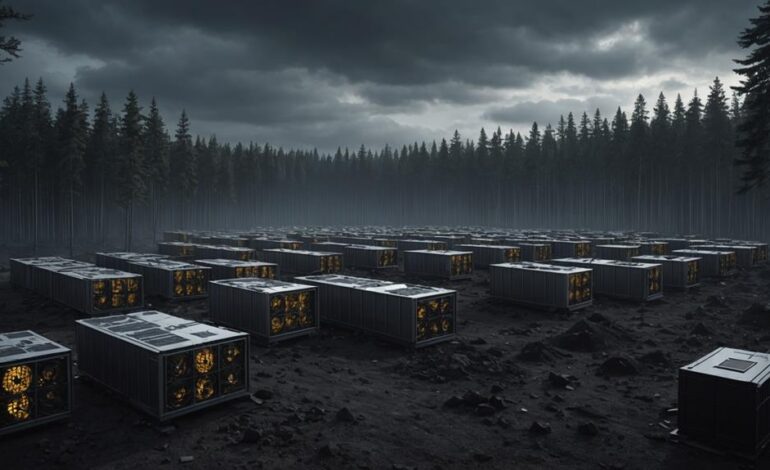
You've likely heard about the surge in cryptocurrency's popularity, but have you considered its hidden cost? The energy consumption of crypto mining is staggering, often compared to the electrical usage of entire nations. Each transaction and mined block consumes a significant amount of power, mainly sourced from non-renewable energy. This practice not only raises concerns over electricity usage but also its broader environmental impact, from heightened CO2 emissions to strained resources. As you ponder the sustainability of such a digital economy, think about what solutions could balance this technological boon with our planet's health. What might the future hold if current trends continue?
The Scale of Bitcoin Mining

Bitcoin mining often consumes an astonishing amount of energy, rivaling the electricity usage of entire countries. You might find it hard to believe, but the process of securing and verifying transactions on the blockchain is incredibly power-intensive. This energy consumption isn't just a statistic; it affects you directly.
High demand for electricity increases costs and strains power grids, potentially leading to higher utility bills and even power outages.
You're also facing an environmental dilemma. The massive energy requirement contributes to significant CO2 emissions unless the energy is sourced sustainably, which is often not the case. As you engage with cryptocurrencies, whether by investing or mining, you're part of a system that currently has a large carbon footprint.
Moreover, think about the future of this technology. As Bitcoin becomes more popular and its price increases, more miners join the network, escalating the energy demand even further. This isn't just a problem for now; it's an escalating issue that could affect global energy policies and climate change initiatives.
Energy Sources for Mining Operations
In response to the vast energy demands of crypto mining, operators have explored various power sources, each with its own impact on efficiency and the environment. You'll find that traditional sources like coal and natural gas dominate due to their availability and relatively low cost. However, the shift is noticeable towards more sustainable options.
Solar energy has become a popular choice, especially in regions with high solar irradiance. It allows you to harness natural energy, significantly reducing operational costs over time.
Similarly, wind power is gaining traction. This option isn't just about availability; it's also about tapping into continuous power supply during windy conditions, crucial for the uninterrupted mining necessary to maintain blockchain operations.
Hydroelectric power is another excellent choice, particularly in areas near water bodies. The consistent and robust energy output from water makes it ideal for the heavy electricity use in mining.
Finally, there's a growing interest in geothermal energy, leveraging the Earth's heat. This is particularly effective in volcanic areas, offering a reliable and constant energy flow.
Each of these sources presents unique challenges and benefits, but the move towards more renewable sources is clear. You're witnessing a significant transformation in how mining operations power their ever-growing energy needs.
Environmental Effects of Mining
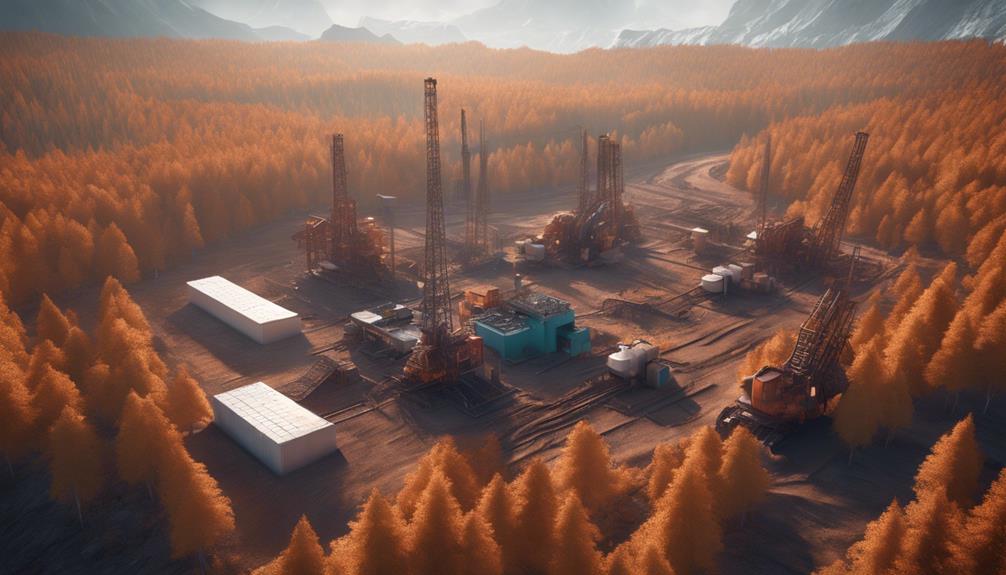
Exploring the various energy sources for crypto mining reveals a significant environmental footprint, regardless of the method employed. You've likely heard debates about crypto mining's energy consumption, but it's the environmental impact that really hits home. The extraction of cryptocurrencies requires substantial energy, which predominantly comes from fossil fuels in many regions. This reliance leads to a surge in carbon emissions, contributing to global warming and air pollution.
Hydropower, while cleaner, isn't without its drawbacks. You mightn't realize that large-scale hydro installations can alter water ecosystems and displace communities.
Even solar and wind energy sources, which are far greener alternatives, require significant land and resource use for infrastructure, potentially disrupting local wildlife and habitats.
You're also facing the issue of electronic waste. Crypto mining hardware has a notoriously short lifecycle, leading to vast amounts of tech waste that often aren't disposed of properly. This results in hazardous waste challenges, with toxins potentially seeping into the soil and waterways, affecting both human and environmental health.
It's clear that while the digitalization of currency offers benefits, the environmental costs are profound. As you delve deeper into the world of cryptocurrencies, it's essential to weigh these impacts carefully.
Comparing Bitcoin to Traditional Banking
While you might think that traditional banking systems are more energy-efficient than Bitcoin mining, the reality deserves a closer look.
Traditional banking involves a sprawling network of physical branches, ATMs, and vast data centers that manage transactions and store financial data. Each facet consumes significant energy, from the electricity to power these facilities to the fuel for transporting cash and maintaining infrastructure.
In contrast, Bitcoin's blockchain technology primarily relies on the energy used for mining and processing transactions. It's true that this process is energy-intensive due to the computational power required. However, Bitcoin doesn't sustain the same physical infrastructure or operational needs as traditional banks.
You might find it surprising, but studies suggest that the energy consumption of the Bitcoin network, while substantial, could be comparable to or even less than that of the traditional banking system when scaled for global reach. The key difference lies in Bitcoin's transparency with its energy usage; every watt is accounted for publicly in the blockchain.
Ultimately, comparing the two systems isn't straightforward. Each has its unique footprint and operational demands. As you reflect on these points, consider not just the energy consumed but also the efficiency and future sustainability of each system.
Future Trends in Crypto Energy Usage

Looking ahead, the trajectory of energy consumption in crypto mining seems poised for significant changes. As you dive deeper into this evolving world, you'll notice a strong shift towards more sustainable practices. Innovations and improvements in technology are set to reduce the massive energy footprint that has been a staple of this industry.
Renewable energy sources are becoming increasingly integral to crypto mining operations. You'll see more companies harnessing solar, wind, and hydroelectric power to fuel their mining activities. This isn't just good PR; it's becoming a necessity as regulatory pressures mount and the public's environmental concerns grow louder.
Advancements in hardware are also on the horizon. You're likely to witness the rise of more energy-efficient mining rigs. These new machines will consume less electricity for the same, or even greater, computing power. This means less strain on the power grid and a smaller carbon footprint.
Finally, don't overlook the potential of regulatory influence. You might find governments stepping in with guidelines and policies that mandate or incentivize lower energy consumption, pushing the industry towards greener alternatives.
These trends indicate a future where crypto mining could become less of an energy hog and more of a sustainable operation. Keep your eyes peeled—you're part of this change.
Conclusion
You've seen how Bitcoin mining devours energy at an alarming rate, similar to entire nations. The reliance on non-renewable power sources only heightens the environmental toll. Yet, when you compare it to traditional banking, the footprint is complex to gauge. Moving forward, you'll witness a shift as the crypto world leans towards renewable energy, aiming to reduce its environmental impact. It's crucial that you stay informed and support sustainable practices in this evolving sector.