7 Accredited Renewable Energy Sources for Crypto Mining

As you explore sustainable practices for your crypto mining operations, you'll find that accredited renewable energy sources like solar power, wind energy, and hydropower offer robust benefits. These options not only help you reduce your environmental impact but can also curtail your electricity costs significantly. It's essential to understand each source's unique advantages and limitations to tailor them effectively to your mining setup. Are you curious about how exactly these green energies can integrate into your operations and which might provide the best return on investment? Let's break down the specifics and see what suits your needs best.
Solar Power Advantages

Harnessing solar power for crypto mining offers significant benefits, particularly in reducing operational costs. By tapping into the sun's energy, you're not only cutting down on your electricity bills but also improving your mining setup's sustainability. This renewable energy source is abundant and accessible, making it an ideal choice for powering extensive mining operations that consume a lot of power.
Using solar panels, you can generate electricity directly from sunlight. This method is especially efficient if you're operating in regions with high solar insolation. The initial setup cost might seem steep, but the long-term savings are substantial. You don't have to worry about fluctuating electricity prices or unexpected power cuts disrupting your mining activities.
Plus, as solar technology advances, the efficiency of solar panels continues to improve, enhancing your setup's energy yield.
You'll also benefit from various government incentives aimed at promoting renewable energy use. These can include tax breaks, rebates, and grants that significantly lower the cost of solar panel installations. By investing in solar power, you're not just optimizing your mining operation's cost-efficiency and reliability; you're also contributing to a greener and more sustainable future in the tech industry.
Wind Energy Efficiency
Wind energy stands as another robust option for powering crypto mining operations efficiently. When you tap into wind as a power source, you're leveraging one of the most sustainable and cost-effective resources available today.
The efficiency of wind turbines has significantly improved, with modern turbines converting over 50% of wind energy into electricity. This high efficiency means you can generate more power with fewer turbines, reducing both your operational costs and environmental footprint.
Moreover, wind energy is highly scalable. You can start small, with a few turbines, and expand as your mining operations grow. This adaptability makes it ideal for both large-scale mining farms and smaller, decentralized operations.
Unlike traditional energy sources, wind power production doesn't emit pollutants, making your mining process greener and more socially responsible.
Additionally, operating costs are relatively low once the turbines are installed. Maintenance is straightforward, ensuring that you don't face unexpected downtime or hefty repair bills.
Investing in wind energy not only aligns with global sustainability goals but also positions you as a forward-thinking player in the crypto mining industry. By choosing wind, you're not just mining for digital currency; you're also contributing to a more sustainable future.
Hydropower Sustainability

Turning to hydropower, you find a renewable energy source that offers remarkable sustainability for crypto mining. Utilizing the power of water, it's both consistent and reliable, providing a steady flow of electricity crucial for the high-energy demands of mining operations.
Unlike fossil fuels, hydropower doesn't emit greenhouse gases or pollutants, making it an environmentally friendly choice that helps you reduce your carbon footprint.
Hydropower's efficiency stems from its ability to generate power to scale. You can harness energy from massive dams or through small-scale hydro systems, making it adaptable to different mining scales, from large operations to individual miners.
Furthermore, the operational costs of hydropower are relatively low once the infrastructure is in place. Maintenance is minimal, which means more of your investment goes into actual mining rather than power generation.
Moreover, water isn't only abundant but also renewable. It cycles back through the ecosystem, ready to be used again without depleting other natural resources. This cycle ensures a long-term energy solution, crucial for sustainable crypto mining.
Geothermal Energy Benefits
Like hydropower, geothermal energy stands out as another sustainable powerhouse for crypto mining. Harnessing the Earth's heat, you've got a steady and reliable energy source that can significantly reduce your carbon footprint. Unlike solar or wind, geothermal energy doesn't depend on weather conditions, offering you uninterrupted power that's crucial for the non-stop world of cryptocurrency mining.
Geothermal plants have a small land footprint, meaning you won't need to sacrifice vast tracts of land. This is especially beneficial if you're operating in areas where land is scarce or expensive. Additionally, the technology behind geothermal energy has matured, ensuring higher efficiency and lower operational costs. You'll find that once the initial investment is recouped, the cost savings on energy can be substantial.
Moreover, using geothermal energy can bolster your green credentials, attracting investors and customers who prioritize environmental responsibility. It's a compelling way to meet regulatory standards and potentially benefit from government incentives aimed at promoting sustainable practices.
Biomass Energy Potential
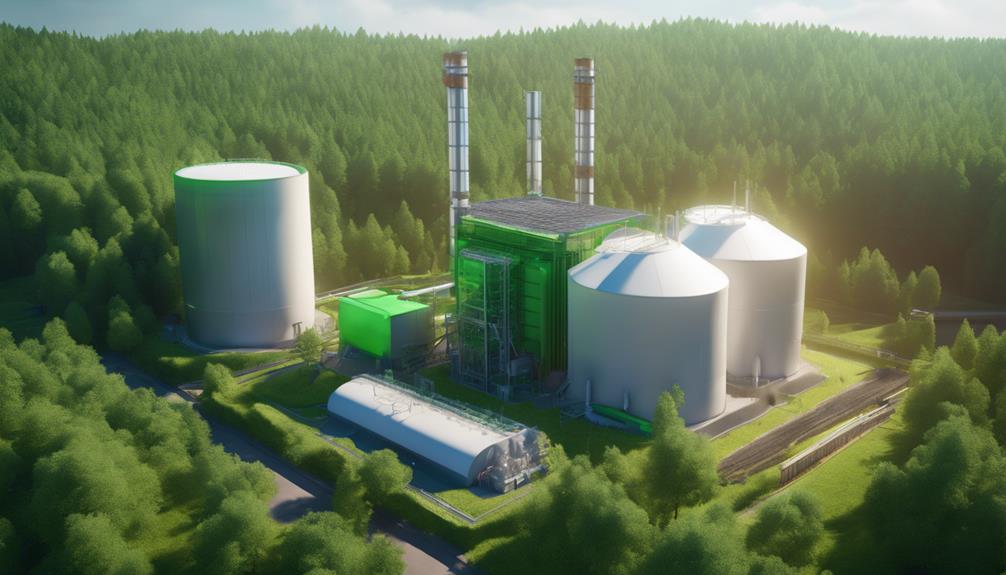
Biomass energy, often overlooked, offers significant potential for powering cryptocurrency mining operations sustainably. You mightn't realize it, but as you delve into cryptocurrency, the energy demand soars. Here's where biomass steps in as a viable solution. It converts organic materials like wood, agricultural crops, and waste into electricity, thus not only providing a renewable energy source but also helping manage waste.
When you use biomass for mining, you're tapping into a cycle that's as natural as it gets. Plants grow, absorb CO2, and when processed as biomass, they release this CO2 back into the atmosphere—a nearly closed carbon cycle. This means you're not adding extra carbon to the atmosphere as with fossil fuels.
Moreover, the scalability of biomass can be a game-changer for you. Whether you operate a small mining setup or a large-scale operation, biomass systems can be tailored to meet different energy needs.
Plus, with advancements in technology, the efficiency of biomass conversion is improving, making it more appealing for your mining needs.
Tidal Power Innovations
Shifting focus to tidal power, this renewable energy source harnesses the natural ebb and flow of ocean tides to generate electricity. You've probably heard about solar and wind energy, but tidal power is gaining traction as a reliable and potent alternative, especially in coastal regions.
What's fascinating about tidal energy is its predictability and the recent technological advances that make it more feasible than ever.
Innovations in tidal turbine technology have significantly increased their efficiency and durability. You'll find that unlike traditional turbines, modern tidal turbines can capture energy at both the high and low tides, maximizing energy output.
The introduction of floating tidal turbines, for instance, allows for placement in deeper waters, where tidal streams are stronger and more consistent. This not only expands potential locations for harvesting tidal energy but also reduces environmental impact and navigational hazards.
Moreover, the integration of advanced materials has led to lighter, more robust turbines that withstand harsh marine environments while optimizing energy capture. These developments are crucial as you consider the long-term sustainability and cost-effectiveness of mining cryptocurrencies using renewable energy.
Hydrogen Fuel Applications

While tidal power offers a dependable source of renewable energy, exploring hydrogen fuel provides an even broader spectrum of possibilities for sustainable crypto mining. You're stepping into a world where the cleanest fuel option available can help reduce the substantial carbon footprint of blockchain technology operations.
Hydrogen, when used in fuel cells, generates electricity through a chemical reaction rather than combustion, producing only water and heat as byproducts. This means you can power your mining rigs without emitting any greenhouse gases.
Moreover, the adaptability of hydrogen fuel cells makes them an ideal candidate for decentralized mining setups. You can install these systems in remote locations, not traditionally served by robust electrical grids, thus expanding your mining operations to new areas without the extensive infrastructure normally required.
This decentralization not only bolsters the resilience of your mining network but also supports local communities by providing access to clean energy and potential job opportunities.
Consider the potential for integrating hydrogen production using renewable sources like solar or wind, further decreasing the environmental impact. By investing in hydrogen technologies, you're not just optimizing your mining operations but are also at the forefront of a shift towards more sustainable and responsible energy use in the tech industry.
Conclusion
You've seen the potential of integrating renewable energy sources into your crypto mining operations. From solar power's cost-effectiveness to the cutting-edge applications of hydrogen fuel, embracing these options not only reduces your carbon footprint but also enhances your operation's sustainability and efficiency. By choosing accredited renewables like wind, hydropower, geothermal, biomass, and tidal power, you're not just saving on costs; you're also investing in the future of both your business and the planet.