5 Ways Crypto Mining Impacts Energy Consumption
You've likely heard about the high energy consumption of crypto mining, but have you considered how this impacts your daily life and the environment? From the extensive use of non-renewable power sources that exacerbate global warming, to the surge in your local electricity costs, the effects are more pervasive than you might think. Not to mention, the substantial carbon emissions and the long-term environmental degradation could change the way we interact with our planet. As you reflect on these points, consider what the future holds if these practices continue unchecked. What could be the broader implications for our world?
High Power Demand of Mining

The high power demand of mining significantly strains our energy resources. As you delve deeper into the world of cryptocurrency, it's clear that the computational power required to mine isn't just intense; it's monumental. This isn't just about one or two enthusiasts running rigs in their garages anymore; it's about massive farms where thousands of machines operate 24/7. These setups require a tremendous amount of electricity to not only power the machines but also to keep them cool enough to function.
You mightn't realize it, but every time a new block is added to a blockchain, a dizzying array of complex calculations are performed. These calculations are necessary to secure the network and verify transactions, but they come at a cost. It's not just the immediate environmental impact you need to worry about; it's also about the scalability of such energy use.
As more people join the mining game, the demand for energy rises exponentially. You're now faced with a global network consuming power at an unsustainable rate. While the financial rewards can be significant, the question remains: is the cost to our energy resources worth it?
Dependence on Non-Renewable Sources
Crypto mining's reliance on non-renewable energy sources adds another layer of environmental concern. You might be aware that digital currencies require a significant amount of computational power. Yet, you mightn't realize how much of this power comes from non-renewable sources like coal and natural gas. This dependence isn't just a statistic; it's a critical issue that affects how sustainable crypto mining can be in the long run.
When you're mining, the electricity you're using likely comes from the most available and least expensive sources. In many parts of the world, this means non-renewable sources. These energy types, while effective in terms of cost and supply, are limited in availability and are being depleted at an alarming rate. They also tend to be less regulated in terms of environmental protection, which means that the more you mine, the more you risk contributing to these resources running dry.
What's more, the shift to renewable energy isn't keeping pace with the growth of crypto mining. This lag creates a gap that non-renewable energy sources continue to fill. As a crypto miner, it's essential to consider where your power comes from and the broader implications of its sources.
Carbon Footprint of Mining Operations
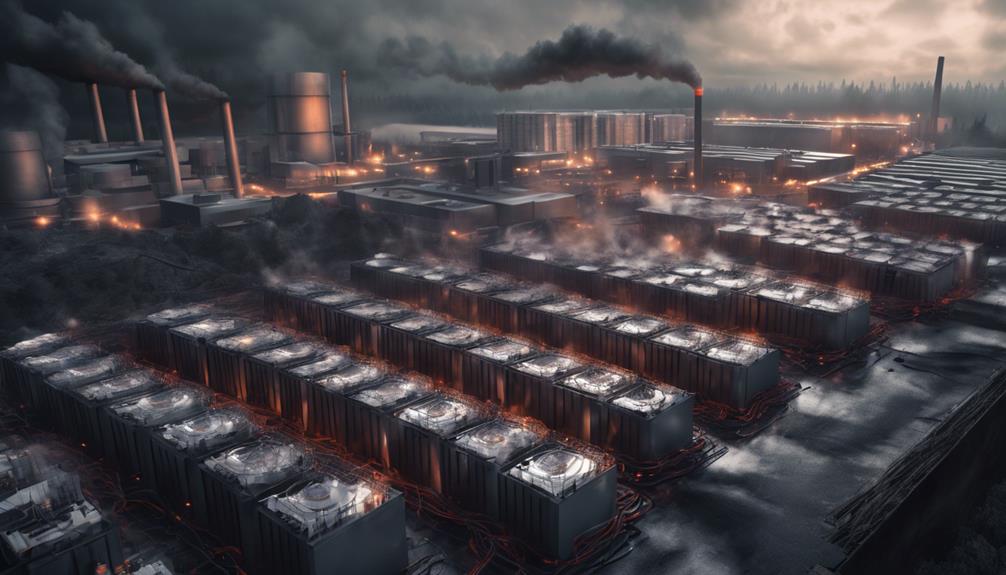
Mining operations for cryptocurrencies significantly increase your carbon footprint. When you engage in or support crypto mining, you're contributing to extensive carbon emissions. Most crypto mining farms rely on energy generated from fossil fuels. As you can imagine, when the demand for energy spikes, more fossil fuels are burned, leading to a surge in carbon emissions. This process directly impacts climate change.
You might think that digital currencies are more environmentally friendly than traditional banking systems, but the truth is, the energy consumption and carbon output can be staggering. For example, the energy used in a single Bitcoin transaction could power an average U.S. household for over a month. Each transaction emits a substantial amount of CO2, equivalent to tens of thousands of credit card transactions.
Now consider the global scale of crypto mining, with thousands of transactions occurring every minute. The cumulative effect is a significant increase in global CO2 emissions. As you participate in this digital economy, it's crucial to be aware of these impacts and consider sustainable practices that can mitigate the environmental cost.
Without changes, the carbon footprint from your involvement in crypto could leave a lasting impact on the planet.
Impact on Local Electricity Prices
Exploring the ramifications of crypto mining, you'll find that local electricity prices often surge as a result. This price hike can catch you and your community off-guard, significantly affecting everyone's monthly budget. When crypto miners set up shop in a region, they draw massive amounts of electricity. This sudden spike in demand can strain local power grids, which often aren't designed to handle such intensive loads.
You might wonder why your electricity bill creeps up even if you're not directly involved in mining. Here's the scoop: utilities typically generate or purchase additional power to meet the increased demand, which can be costly. These expenses are then passed down to you, the consumer, leading to higher energy bills across the board.
Moreover, the presence of large mining operations can lead to grid instability. During peak times, you might experience more frequent power outages or voltage fluctuations. These disruptions aren't just annoying—they can also shorten the lifespan of your household appliances.
In essence, while crypto mining might seem like a distant concept, its impact on electricity costs is both immediate and personal, affecting how much you pay each time your bill arrives.
Long-Term Environmental Effects
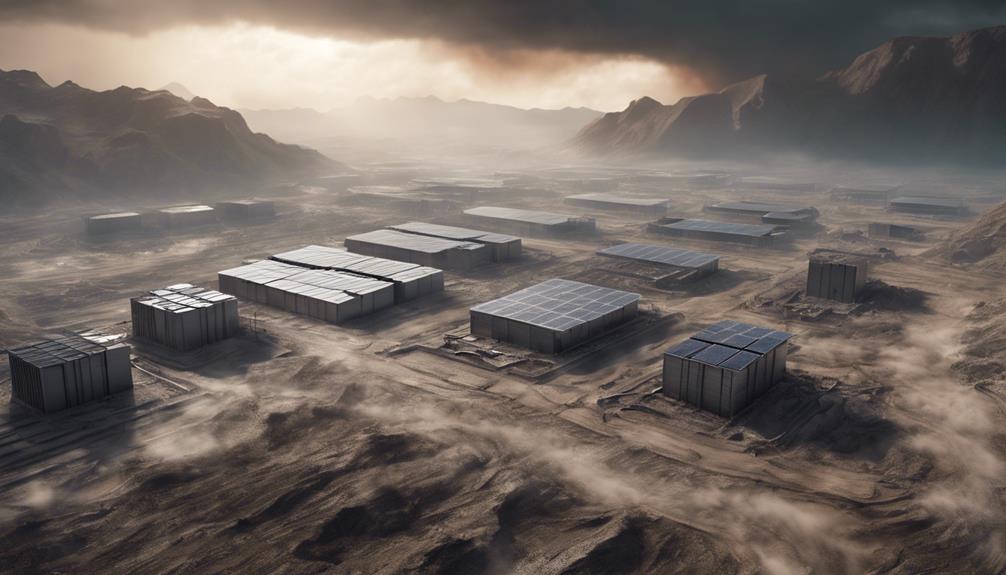
Beyond the immediate spike in your energy bill, the long-term environmental effects of crypto mining are profound and far-reaching. As you delve into the world of cryptocurrencies, it's crucial to recognize how these operations strain our planet.
Mining farms, requiring massive amounts of electricity, often depend on fossil fuels. This reliance releases significant carbon emissions, exacerbating climate change.
You mightn't realize it, but the natural landscapes you love could be at risk. The demand for cheap energy leads to the construction of new power plants in pristine areas, disrupting local ecosystems and wildlife. Water resources are also heavily impacted. Cooling large mining setups necessitates vast amounts of water, depleting local supplies and affecting aquatic life.
Moreover, the hardware used in mining isn't built to last forever. You're looking at a cycle of rapid obsolescence, resulting in heaps of electronic waste. This e-waste contains toxic substances like lead and mercury, which can leach into the soil and water, posing health risks to communities and causing further environmental degradation.
It's essential to weigh these enduring impacts against the digital coins you chase. The footprint left behind isn't just digital; it's deeply etched into our environment.
Conclusion
You've seen how crypto mining drives up energy use, relying heavily on non-renewable sources and increasing CO2 emissions. This activity not only spikes your local electricity prices but also contributes to long-term environmental damage, from disrupting ecosystems to depleting water resources. As you consider the implications, it's clear that the sustainability of crypto mining needs urgent reassessment to mitigate these significant impacts on our planet and your daily costs.