Top 10 Secure Storage Solutions for Cryptocurrencies
As you venture into the world of cryptocurrencies, securing your digital assets becomes paramount. You've likely heard of hardware wallets and cold storage, but the breadth of options available can be overwhelming. From biometric wallets that leverage your unique biological traits to multi-signature wallets that require consensus for transactions, each solution offers distinct advantages and levels of security. Understanding the nuances of these top storage solutions is essential for protecting your investments. Let's explore what sets these methods apart and why choosing the right one could be the most crucial decision you make in your crypto journey.
Hardware Wallets Overview
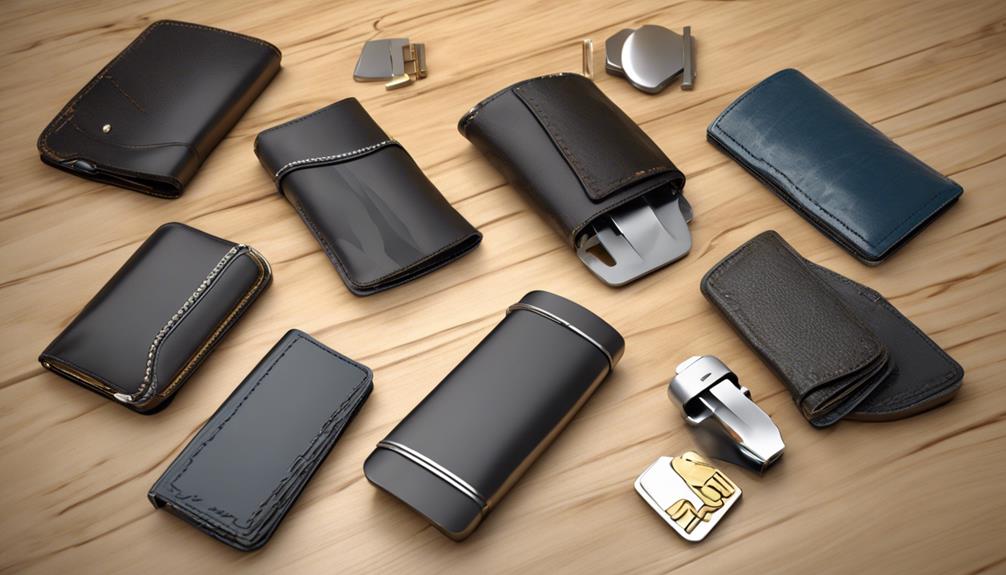
Many people seeking top-notch security for their cryptocurrencies turn to hardware wallets. These devices offer a robust layer of protection by keeping your private keys offline, away from potential online threats. You'll find that these gadgets resemble USB sticks, making them not only secure but also portable.
You're probably wondering how they work. Essentially, when you need to make a transaction, the hardware wallet connects to your computer, tablet, or phone. However, your private keys never leave the device. You verify the transaction directly on the wallet, typically through a small screen and buttons that let you manually confirm all actions. This means even if a hacker compromises your computer, they can't access your cryptocurrency.
Choosing the right hardware wallet can seem daunting. Popular brands like Ledger and Trezor offer various models, each with unique features. You'll want to consider the supported cryptocurrencies, ease of use, and security features.
Also, keep an eye on product updates and community reviews to ensure you're getting a reliable product.
Investing in a hardware wallet is a practical step toward safeguarding your digital assets. It's a small device with a critical role, keeping your investments secure.
Cold Storage Options
Beyond hardware wallets, another highly secure method for storing cryptocurrencies is through cold storage options. Cold storage refers to keeping your crypto assets offline, which shields them from online vulnerabilities such as hacks and unauthorized access.
You've got several types to choose from. Paper wallets, for instance, are printouts containing your public and private keys. These can be stored in a safe or any secure location, away from potential digital threats. However, they're susceptible to physical risks like fire, water damage, or being misplaced.
You might also consider physical coins. These are actual coins with a tamper-proof sticker covering a predetermined amount of cryptocurrency. Once the sticker is removed, the coin can't be used again, ensuring the integrity of your digital currency.
Another reliable option is a USB drive or another form of external hardware that isn't connected to the internet. You can load your cryptocurrency onto these devices and then store them in a secure location. Just make sure the device is encrypted and stored in a physically secure environment to prevent theft or damage.
Multi-Signature Wallets
Several cryptocurrency users are turning to multi-signature wallets as a robust security feature that enhances the safety of their digital assets. Essentially, a multi-signature (multi-sig) wallet requires two or more private keys to authorize a transaction, which significantly reduces the risk of theft or loss due to a single point of failure.
Imagine you're holding a significant amount of cryptocurrency. With a multi-sig wallet, you're not relying on just one key. Instead, you and perhaps your trusted partners each hold a key. Only together can these keys execute transactions, ensuring that no single person can move funds unauthorized.
This setup is ideal for businesses or investment groups where multiple stakeholders need to agree before committing funds.
Setting up a multi-sig wallet isn't as daunting as it sounds. Most reputable wallet providers offer straightforward guides and user-friendly interfaces to help you get started. You'll choose the number of keys and the necessary threshold of approvals.
For instance, in a three-key system, you might set that at least two must agree to proceed with a transaction.
This layered security approach doesn't just protect you from external threats; it also safeguards against internal risks, such as rogue insiders or accidental mismanagement. By distributing the responsibility, you're building a resilient defense for your digital treasures.
Paper Wallets Explained
In the realm of cryptocurrency storage, paper wallets stand as a remarkably secure and straightforward option. Essentially, a paper wallet is a piece of paper on which your cryptocurrency wallet's public and private keys are printed. You might wonder why you'd opt for such a seemingly primitive method in the digital age. The answer lies in its simplicity and security.
When you use a paper wallet, your keys aren't stored online or on a computer, making them immune to online hacking and malware attacks. This offline storage method, known as cold storage, significantly reduces your vulnerability to cyber threats.
To set up a paper wallet, you'll generate your keys using a trusted online generator, ensuring you're offline during the process to avoid exposure. Once generated, you print the keys and addresses on paper, then store it securely. It's crucial you keep this paper safe—think of it as cash. Fireproof safes or safe deposit boxes are ideal.
Bear in mind, once you decide to transfer your coins out of your paper wallet, you should transfer all at once. Partial withdrawals can expose your remaining balance to security risks, as the remaining funds often move to a change address that mightn't be under your control.
Mobile Wallet Security

Most mobile wallets offer a convenient way to manage your cryptocurrencies on the go, but their security largely depends on how well you protect your smartphone. Ensuring that your mobile device is safeguarded from malware and unauthorized access is crucial. You've got to keep your operating system up to date, as updates often patch security vulnerabilities.
Next, consider the security features offered by the wallet itself. Opt for wallets that require multi-factor authentication (MFA), which provides an additional layer of security beyond just a password.
You should also use wallets that offer hardware-based security features, such as biometric data verification like fingerprint or facial recognition.
It's equally important to be cautious of the networks you connect to when accessing your mobile wallet. Avoid public Wi-Fi networks, as they can be hotspots for intercepting data. Instead, use a secure, private connection or a trusted VPN service.
Lastly, always back up your wallet. If your phone gets lost or damaged, having a backup will allow you to recover your funds. Choose a backup method that encrypts your data and store it in a secure location. Remember, the safety of your digital assets is in your hands.
Desktop Wallet Features
Desktop wallets, unlike their mobile counterparts, offer robust features that cater specifically to the needs of desktop users. You'll find that these wallets often provide enhanced security measures, more intricate settings, and greater flexibility in managing your cryptocurrencies. Typically, they require the installation of software directly onto your desktop, which makes them less susceptible to certain mobile-specific vulnerabilities.
You can also enjoy a broader range of functionalities with desktop wallets. They generally support a wider variety of cryptocurrencies and often include built-in features for trading and managing a diverse portfolio. This is particularly useful if you're looking to trade frequently or require detailed transaction histories for each coin.
Moreover, the user interface in desktop wallets usually offers more comprehensive tools for analyzing your digital assets. You'll appreciate the detailed charts, address labeling, transaction tagging, and other sophisticated features that can help you optimize your investment strategy.
Privacy is another significant advantage. Desktop wallets allow you to store your private keys on your computer, giving you full control over your crypto assets. Unlike online wallets, which store your keys on a third-party server, this setup minimizes the risk of losing your funds to online theft or hacking incidents.
Biometric Wallet Advantages
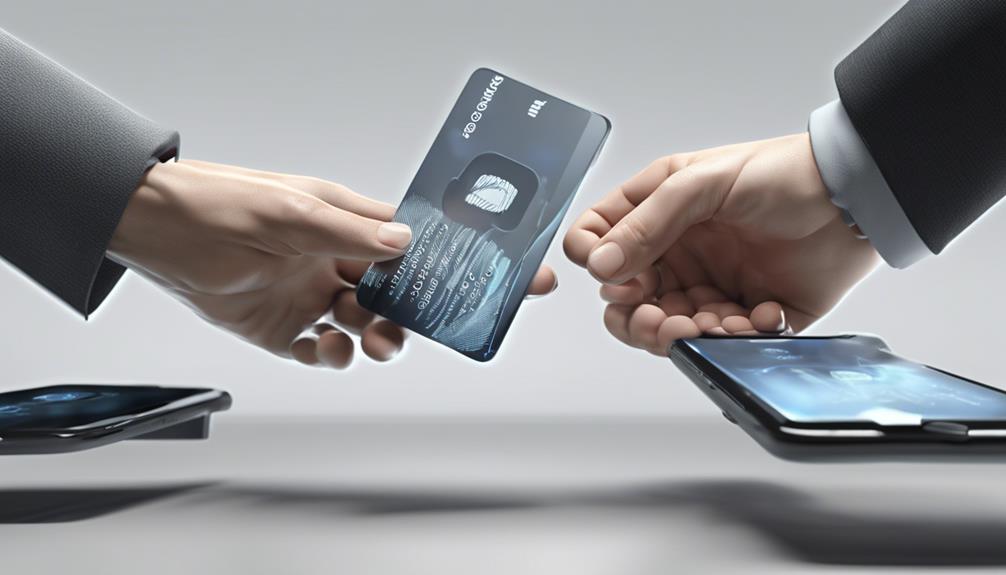
While desktop wallets offer substantial security and control, biometric wallets bring an additional layer of protection that's uniquely personal. These innovative devices use your biological data—like fingerprints or retinal patterns—to unlock access to your digital assets, ensuring only you can access your funds. It's like having a bank vault that only responds to your physical presence.
You might be wondering about the reliability of such technology. Biometric wallets are designed with advanced security measures that minimize the risk of false acceptances and rejections. Even if someone closely resembles your biometric features, sophisticated algorithms ensure that your wallet remains locked to any unauthorized users.
Another advantage is the ease of use. Forget about remembering complex passwords or storing recovery phrases; with a biometric wallet, accessing your cryptocurrencies is as simple as touching a sensor. This simplicity also translates to faster transactions—you're not bogged down by multiple security steps.
Moreover, biometric wallets are continually evolving. Developers are integrating multi-factor authentication, combining biometrics with traditional security methods to provide even stronger defenses against theft and unauthorized access. So, as you consider how to secure your cryptocurrencies, don't overlook the personal security that a biometric wallet offers. It's your identity turned into the key.
Secure Exchange Practices
When trading cryptocurrencies, it's crucial to adopt secure exchange practices to protect both your funds and your privacy.
First, always verify the reputation of the exchange. Look for user reviews, regulatory compliance, and the length of time they've been in business. A trustworthy platform lowers the risk of hacks and scams.
You should also enable two-factor authentication (2FA) on any exchange you use. This adds an extra layer of security by requiring not only a password and username but also something that only you possess, like a physical token or a mobile app confirmation.
Be mindful of the links you click and the information you share. Phishing attacks are common in the crypto world. Always double-check URLs and email addresses. Avoid sharing your private keys or wallet details with anyone.
Consider using a separate email address and phone number for your trading activities to keep your personal information secure. Regularly update your passwords and use strong, unique combinations for each site.
Lastly, don't keep all your assets on an exchange longer than necessary. Transfer funds to your secure wallet where you control the private keys. This minimizes exposure to potential security breaches on exchanges.
Decentralized Wallets
Shifting your focus to decentralized wallets offers enhanced security and control over your cryptocurrencies. Unlike centralized platforms, where your assets are managed by a third party, decentralized wallets give you sole ownership of your private keys. This means you're in full control, reducing the risk of theft from exchange hacks.
Decentralized wallets aren't stored on a single server but spread across a blockchain network, making them less vulnerable to attacks. You'll find that these wallets often support a wide range of cryptocurrencies, providing a one-stop solution for managing diverse assets. They also allow for direct transactions on the blockchain without intermediaries, ensuring that your transfers are both private and secure.
When you use a decentralized wallet, you're also benefiting from the underlying blockchain technology, which is designed to be transparent and resistant to fraud. Each transaction is verified by multiple nodes in the network, which helps to prevent fraudulent activities.
However, the responsibility of securing your wallet rests entirely with you. Make sure you keep your private keys secure and consider using additional security measures like two-factor authentication and hardware wallets for enhanced protection. By taking these precautions, you can maximize the security advantages of decentralized wallets.
Smart Contract Safeguards
Smart contract safeguards are essential in protecting your investments in the blockchain ecosystem. These automated contracts enforce and execute the terms of an agreement directly on the blockchain, making them crucial tools in your cryptocurrency dealings. However, without proper safeguards, you're exposed to potential vulnerabilities such as bugs or exploits.
You must ensure the smart contracts you interact with are audited by reputable security firms. These audits help identify vulnerabilities before they're exploited by malicious actors. Don't just skim the audit reports; understand them. If there's something you can't grasp, it's worth getting a second opinion from a security expert.
Additionally, consider using contracts that have undergone multiple audits and have a history of secure operation.
It's also wise to choose platforms that offer insurance or have a reserve fund to cover any losses due to contract failures.
Don't forget the importance of keeping your interaction with smart contracts as secure as your private keys. Use hardware wallets or secure enclave technology to sign transactions. This minimizes the risk of your credentials being compromised.
Conclusion
In conclusion, you've got plenty of secure options to store your cryptocurrencies. From hardware wallets that keep your keys offline to multi-signature wallets requiring consensus for transactions, you're well-covered. Don't overlook biometric wallets for that extra layer of security using your unique biological traits. Whether you choose cold storage like paper wallets or lean on smart contract safeguards, make sure you're using the right solution that fits your security needs and ease of access.