Is Your Crypto Exchange Truly Safe?
You've probably chosen your crypto exchange based on its ease of use and features, but have you thoroughly considered its security measures? As you navigate through your investments, it's crucial to question whether the chosen platform employs rigorous security protocols like two-factor authentication, cold storage, and regular audits. Reflect on this: just because an exchange is popular, does that make it secure? What if there are vulnerabilities you're not aware of? Let's explore the deeper aspects of what makes an exchange truly secure and why you might want to reassess your current choice.
Understanding Blockchain Security

When evaluating the safety of your crypto exchange, it's crucial to understand the underlying blockchain security. Blockchain technology, the backbone of cryptocurrency, is designed to be inherently secure. Its structure is decentralized, meaning it isn't hosted on a single server but across a network of computers, making it harder for hackers to exploit.
Each transaction on a blockchain is recorded in a "block" and linked to both the previous and subsequent blocks, creating a chronological chain. This linkage is protected by cryptography. To alter any single record, a hacker would need to change every subsequent block in the chain on at least 51% of the network's computers—a feat that's not only difficult but also highly detectable.
However, don't confuse blockchain's security with the security of individual crypto exchanges. These platforms can vary significantly in how they implement and interact with blockchain technology.
While the blockchain itself may be secure, vulnerabilities can exist at the points where your assets interact with the exchange platform. So, you're wise to consider not only the security of the blockchain but also how securely an exchange integrates with it.
Key Features of Secure Exchanges
As you now understand the general security of blockchain technology, let's consider what makes a crypto exchange itself secure.
Firstly, a robust exchange employs two-factor authentication (2FA), ensuring you're the only person who can access your account, even if someone else knows your password. You'll often use your phone or an authentication app to verify your identity.
Next, pay attention to the encryption methods used. A secure platform encrypts your data both in transit and at rest, protecting your sensitive information from hackers. Look for exchanges that use advanced encryption standards like AES-256.
Cold storage plays a crucial role too. Exchanges should store a significant amount of assets offline, away from potential online threats. This method minimizes the risk of large-scale thefts from cyber-attacks.
Transaction monitoring is another essential feature. Secure exchanges actively monitor transactions for suspicious activity and have automated systems in place to flag and review unusual patterns.
Lastly, user privacy measures are crucial. A secure exchange won't just protect your assets; it'll also safeguard your personal information by adhering to strict privacy protocols and ensuring compliance with data protection regulations.
Each of these features contributes to the overall security of a crypto exchange, making it a safer place for your digital assets.
Importance of Decentralization

Why should you care about the decentralization of a crypto exchange? Decentralization isn't just a tech buzzword; it's a fundamental feature that can significantly impact your security and control over your digital assets.
When a crypto exchange is decentralized, it means there isn't a single point of failure. Unlike centralized exchanges, where decisions and control rest with a single authority, decentralized platforms distribute power among their users. This not only reduces the risk of hacking and fraud but also ensures that you aren't at the mercy of one entity's decisions, such as unexpected freezes on withdrawals or changes in terms of service that you mightn't agree with.
Moreover, decentralization promotes transparency. Transactions in a decentralized environment are recorded on a blockchain, visible and verifiable by anyone. This openness helps build trust among users and can deter malicious activities.
You're also less likely to face issues like price manipulation or trading downtime, which are more common in centralized systems.
In essence, embracing decentralization in crypto exchanges empowers you, offering more security, autonomy, and a fair trading environment. So, when you're choosing where to trade your cryptocurrencies, consider the level of decentralization as a key factor in safeguarding your investments.
Assessing Smart Contract Safety
Understanding the decentralization of your crypto exchange is just the first step; equally important is assessing the safety of the smart contracts that operate on these platforms. These contracts automate the transfer of cryptocurrencies and execute trades without human intervention, making their security paramount.
To start, you should check if the smart contracts used by your exchange are publicly auditable. That means anyone can review the code for potential vulnerabilities. It's also wise to look for a history of audits conducted by reputable third-party security firms. These audits help identify and rectify security flaws before they can be exploited by malicious actors.
You'll also want to ensure that the smart contract code adheres to current best practices and standards. Technologies and threats evolve, and so should the smart contracts. Regular updates and patches indicate a proactive approach to security.
Identifying Common Security Threats
Identifying common security threats on your crypto exchange can empower you to better protect your assets. It's crucial you're aware of phishing attacks where scammers trick you into giving up sensitive information by mimicking trustworthy communication. Always double-check URLs and email addresses for authenticity.
Another significant threat is malware, which can infiltrate your system to steal data or manipulate your transactions. You should install robust antivirus software and keep it updated to fend off such risks. Be wary of downloading software or opening attachments from unknown sources.
Don't overlook the risk of internal breaches. Sometimes, the threat comes from within an organization, whether through disgruntled employees or insufficient internal controls. Ensure that your exchange conducts thorough background checks and implements strict access controls.
Exchange outages also pose a threat, often caused by technical failures or DDoS attacks, which can prevent you from accessing your funds when you most need to. Opt for exchanges that have proven infrastructure resilience and clear mitigation strategies for such incidents.
Stay vigilant and educate yourself on these threats. The more informed you are, the better you can safeguard your investments against potential security breaches.
Evaluating User Authentication Methods
After exploring the common security threats to your crypto exchange, it's also important to examine how these platforms authenticate user identities. The strength of user authentication methods can significantly impact your account's security. Here's what you should look for.
Most exchanges start with basic email and password authentication. However, that's not enough. Check if your platform uses multi-factor authentication (MFA). MFA requires you to provide two or more verification factors to gain access, which significantly enhances security.
Another robust authentication method is biometric verification, such as fingerprint scans or facial recognition. These methods are unique to you and hard for an attacker to replicate. If your exchange offers this, it's a good sign.
You should also consider the security of your recovery options. How does the platform handle password resets or lost access? Secure exchanges require more than just a simple email request; they might ask for identity verification documents or use security questions that aren't easily guessable.
Lastly, always review the permissions associated with third-party apps connected to your exchange account. Limit these permissions strictly to what's necessary. Too much access can leave you vulnerable to breaches. By critically assessing these authentication methods, you'll be better positioned to protect your crypto assets.
The Role of Cold Storage
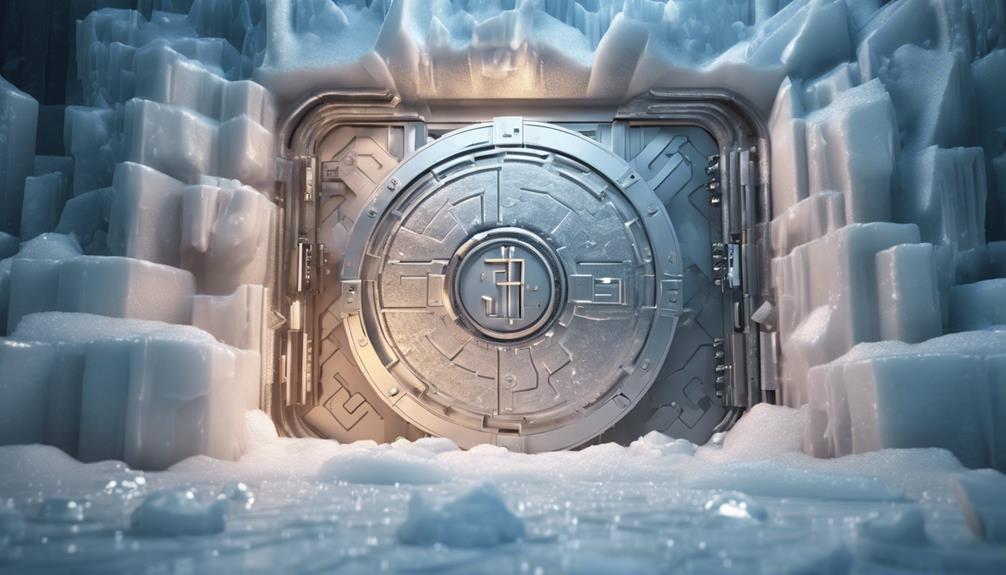
Cold storage plays a crucial role in safeguarding your cryptocurrencies from online threats. Essentially, it involves keeping your digital assets offline, away from the reach of hackers and malicious software. Think of it as storing your valuables in a safe that's not just locked, but hidden in a place only you know about.
By moving your crypto assets to cold storage, you're cutting off remote access. This isn't just an extra layer of security; it's a fundamental barrier between your wealth and cybercriminals.
You might wonder how often you should transfer your assets to cold storage. The answer depends on how active you're in trading. If you're a frequent trader, you might need regular access to your funds, but it's wise to keep the bulk of your portfolio in cold storage, transferring only what you need when you need it.
Moreover, it's essential to choose a crypto exchange that prioritizes cold storage. Some platforms automate the process, moving your crypto to cold storage shortly after you've completed a transaction. This minimizes the risk of your assets being exposed during your trading activities.
Always check how your chosen exchange handles this, as practices can vary significantly.
Regular Security Audits Importance
While prioritizing cold storage is a significant step in protecting your assets, conducting regular security audits is equally important for ensuring the ongoing safety of your cryptocurrencies. These audits serve as a comprehensive check-up to identify vulnerabilities before they're exploited by attackers. You wouldn't skip a routine check-up for your health; treat your digital investments with the same level of care.
Regular security audits are essential because they assess the effectiveness of the existing security measures. They help ensure that the hardware and software protecting your assets remain robust against new and evolving threats. It's about continuously questioning, "Is my exchange still safe?"
By conducting these audits, exchanges can detect any security lapses or compliance failures that could jeopardize your assets. This proactive approach not only protects you but also enhances the credibility of the platform. You're more likely to trust and continue using an exchange that transparently demonstrates its commitment to security.
Moreover, the results from these audits often lead to improvements in security protocols, making the platform even safer over time. As a user, you should look for exchanges that regularly disclose audit results and are open about their security practices. It's your right to demand transparency and your responsibility to choose wisely.
Conclusion
You've explored the essentials of blockchain security and what makes an exchange trustworthy. Remember, decentralization enhances safety, and rigorous smart contract checks are vital. Always spot common threats and demand robust user authentication. Don't overlook the role of cold storage in protecting your assets, and insist on regular security audits. By being vigilant and choosing wisely, you can shield your digital investments from potential risks. Stay safe by staying informed and proactive in the ever-evolving crypto landscape.